**Revitalizing Urban Areas: Refugees and Hotel Conversions**
Category : | Sub Category : Posted on 2024-10-05 22:25:23
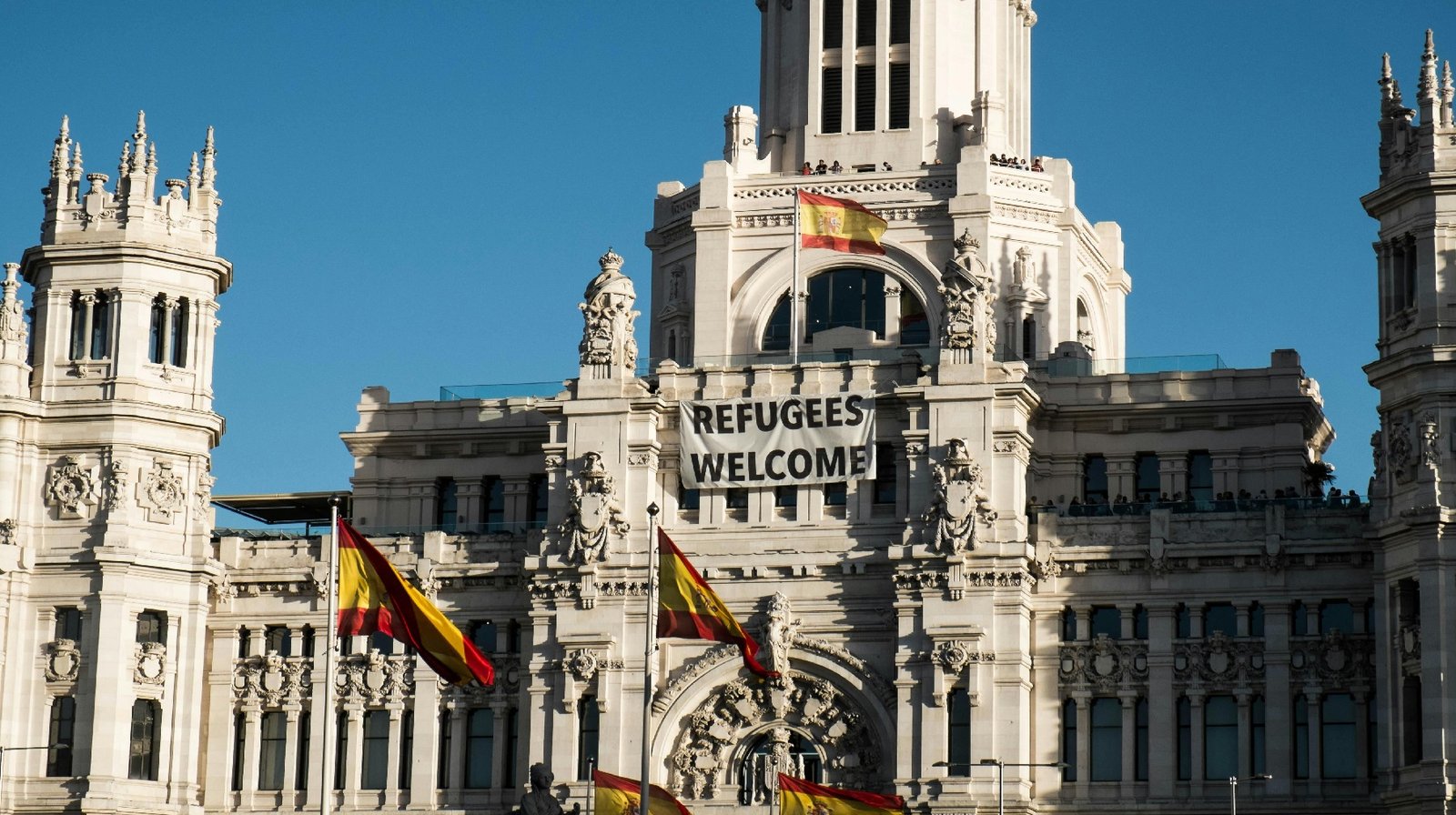
In recent years, urban areas around the world have been undergoing a transformation as abandoned hotels are being repurposed to provide accommodation for refugees. This unique approach to urban redevelopment not only addresses the pressing need for housing refugees but also revitalizes neglected areas, breathing new life into forgotten spaces. The concept of converting hotels into refugee accommodations is gaining traction as cities seek innovative solutions to the ongoing refugee crisis. With an increasing number of displaced individuals seeking refuge in foreign countries, the demand for temporary shelter has never been higher. By repurposing empty hotels, cities can quickly and efficiently provide housing for refugees while simultaneously transforming derelict buildings into vibrant community hubs. One of the key benefits of utilizing hotels for refugee housing is the existing infrastructure that these buildings provide. With ready-made rooms, amenities, and common areas, hotels offer a turnkey solution for temporary housing, minimizing the time and resources needed to set up new refugee shelters. Additionally, hotels are often located in central urban areas, providing refugees with access to essential services, transportation, and job opportunities. By repurposing hotels for refugee accommodations, cities can also leverage the economic potential of these properties. Once transformed, these buildings can serve as catalysts for broader urban redevelopment, attracting investment, businesses, and residents to previously neglected areas. The presence of refugees can also contribute to the cultural diversity and vibrancy of urban neighborhoods, enriching the social fabric of the community. However, the conversion of hotels into refugee housing is not without its challenges. The logistics of managing large numbers of refugees in a shared space, ensuring their safety and well-being, and fostering a sense of community and integration are complex issues that must be carefully addressed. Cities must also consider the long-term sustainability of these accommodations and plan for the eventual transition of refugees to more permanent housing solutions. Despite these challenges, the repurposing of hotels for refugee accommodations represents a win-win scenario for cities grappling with the dual pressures of urban redevelopment and refugee resettlement. By creatively transforming vacant buildings into welcoming spaces for displaced individuals, cities can meet the immediate needs of refugees while revitalizing urban areas and fostering inclusive, diverse communities. As the global refugee crisis continues to unfold, innovative approaches like hotel conversions offer a promising path forward for cities seeking to build a more sustainable and compassionate future.
https://desencadenar.org
https://constructional.org
Leave a Comment:
SEARCH
Recent News
- Switzerland is widely known for its breathtaking landscapes, high standard of living, and efficient public transportation system. Zurich, the largest city in Switzerland, perfectly embodies these characteristics and offers visitors a unique blend of culture, history, and natural beauty. In this Tunisian travel guide to Zurich, we will explore some of the must-visit attractions, delicious cuisine to try, and practical tips for making the most of your trip.
- Zurich, Switzerland is a vibrant city known for its picturesque landscapes, rich history, and diverse cultural scene. One fascinating aspect of Zurich's cultural tapestry is the influence of Sudanese culture in the city.
- Are you looking for information on travel discounts for seniors in Zurich, Switzerland? One of the perks of growing older is often the access to special deals and discounts, making travel more affordable for those in their golden years. Zurich, the vibrant and picturesque city located in Switzerland, is no exception when it comes to offering discounted rates for senior travelers.
- Zurich, Switzerland, is renowned for its picturesque landscapes, vibrant culture, and thriving economy. However, thousands of kilometers away in Russia, agriculture plays a crucial role in the country's economy and food production.
- When looking at two diverse but equally fascinating destinations such as Zurich, Switzerland, and the rich culture of Quebec in Canada, it’s hard not to be captivated by the unique charm and beauty each has to offer.
- Zurich, Switzerland and Oslo, Norway are two European cities known for their stunning beauty, vibrant cultures, and high quality of life. Both cities offer a mix of modern amenities and historic charm, making them popular destinations for travelers looking to immerse themselves in European culture.
- Exploring Zurich: A Taste of Latin America in Switzerland
- Zurich, Switzerland and Johannesburg, South Africa are two dynamic cities that offer a unique blend of culture, history, and modernity. Despite being located in different corners of the globe, both cities have their own charm and attractions that make them worth visiting.
READ MORE
5 months ago Category :

Switzerland is widely known for its breathtaking landscapes, high standard of living, and efficient public transportation system. Zurich, the largest city in Switzerland, perfectly embodies these characteristics and offers visitors a unique blend of culture, history, and natural beauty. In this Tunisian travel guide to Zurich, we will explore some of the must-visit attractions, delicious cuisine to try, and practical tips for making the most of your trip.
Read More →5 months ago Category :

Zurich, Switzerland is a vibrant city known for its picturesque landscapes, rich history, and diverse cultural scene. One fascinating aspect of Zurich's cultural tapestry is the influence of Sudanese culture in the city.
Read More →5 months ago Category :

Are you looking for information on travel discounts for seniors in Zurich, Switzerland? One of the perks of growing older is often the access to special deals and discounts, making travel more affordable for those in their golden years. Zurich, the vibrant and picturesque city located in Switzerland, is no exception when it comes to offering discounted rates for senior travelers.
Read More →5 months ago Category :
