Understanding Sentiments towards Refugees in Indonesia: A Closer Look through AI
Category : | Sub Category : Posted on 2024-10-05 22:25:23
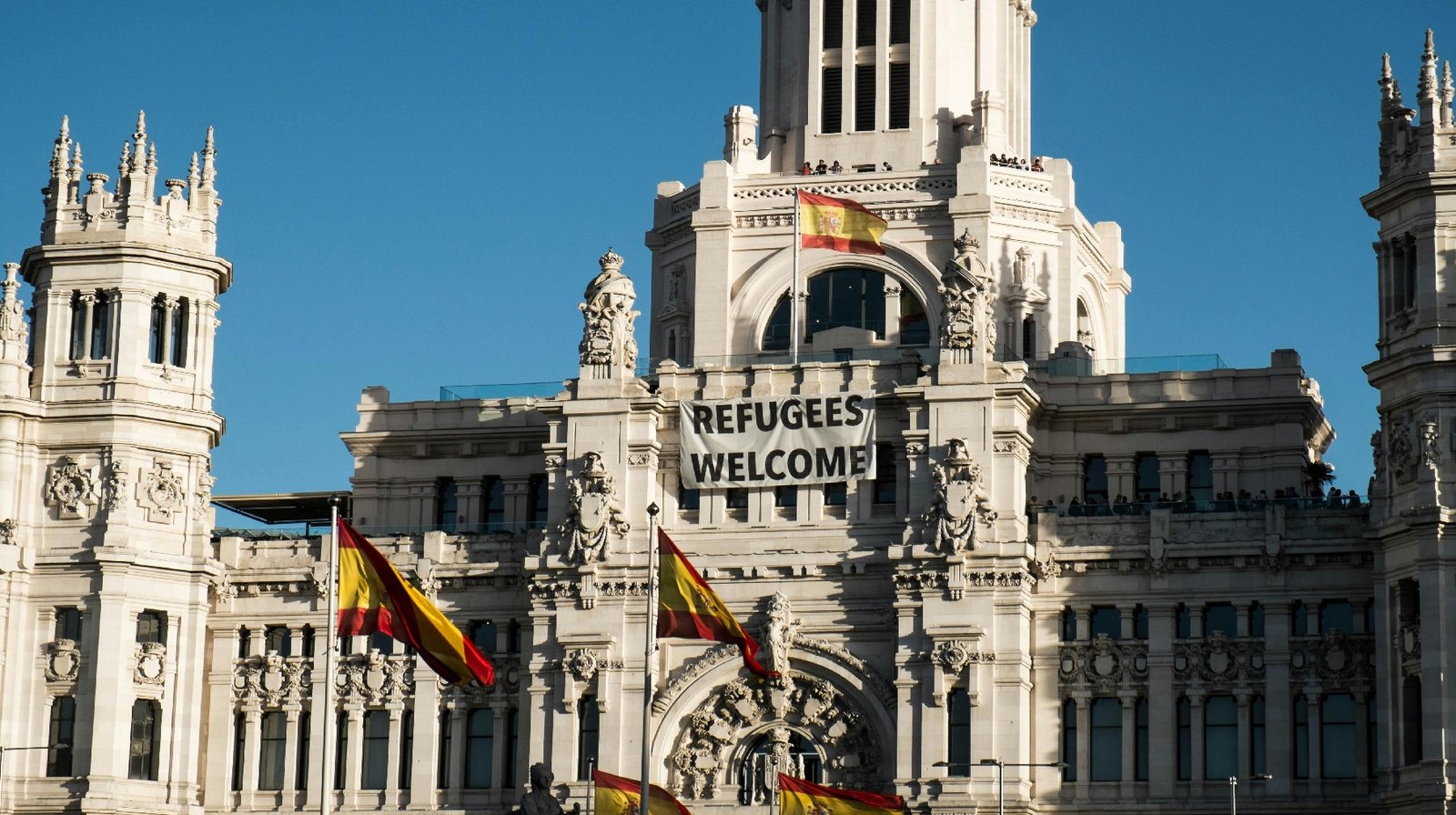
In recent years, the issue of refugees has been a topic of growing concern around the world. Indonesia, as a country located at a strategic geographical position in Southeast Asia, has also seen an increase in the number of refugees seeking shelter within its borders. However, the sentiments towards refugees in Indonesia are complex and varied, reflecting a mix of compassion, skepticism, and fear among the local population. To gain a deeper understanding of the sentiments towards refugees in Indonesia, researchers have turned to artificial intelligence (AI) technologies for analysis and insights. By utilizing AI tools such as natural language processing and sentiment analysis, researchers can process vast amounts of data from social media, news articles, and other sources to gauge public opinion on the issue. one key finding from AI-powered sentiment analysis is the presence of both positive and negative sentiments towards refugees in Indonesia. On one hand, there is a sense of empathy and support for those fleeing conflict and persecution, with many Indonesians expressing a desire to help and welcome refugees into their communities. This sentiment is often driven by values of compassion and solidarity, as well as Indonesia's historical tradition of providing shelter to those in need. On the other hand, there are also negative sentiments towards refugees in Indonesia, fueled by concerns around economic strain, cultural differences, and security risks. Some Indonesians worry that the presence of refugees could lead to competition for resources and job opportunities, as well as potential social tensions arising from cultural and religious differences. Additionally, there are fears of security threats posed by a small number of individuals among the refugee population. AI analysis has revealed that the media and political discourse play a significant role in shaping public sentiments towards refugees in Indonesia. Depending on how the issue is framed and portrayed in the media, public perception can be influenced in different ways. For instance, positive stories highlighting the resilience and contributions of refugees can help foster empathy and understanding, while negative coverage emphasizing crime and insecurity can fuel fear and mistrust. Moving forward, it is crucial to continue monitoring and analyzing sentiments towards refugees in Indonesia using AI technologies. By gaining a deeper insight into public attitudes and opinions, policymakers and community leaders can develop more informed and effective responses to address the needs of both refugees and the local population. Ultimately, fostering dialogue and promoting mutual understanding is key to building a more inclusive and welcoming society for refugees in Indonesia.
Leave a Comment:
SEARCH
Recent News
- Switzerland is widely known for its breathtaking landscapes, high standard of living, and efficient public transportation system. Zurich, the largest city in Switzerland, perfectly embodies these characteristics and offers visitors a unique blend of culture, history, and natural beauty. In this Tunisian travel guide to Zurich, we will explore some of the must-visit attractions, delicious cuisine to try, and practical tips for making the most of your trip.
- Zurich, Switzerland is a vibrant city known for its picturesque landscapes, rich history, and diverse cultural scene. One fascinating aspect of Zurich's cultural tapestry is the influence of Sudanese culture in the city.
- Are you looking for information on travel discounts for seniors in Zurich, Switzerland? One of the perks of growing older is often the access to special deals and discounts, making travel more affordable for those in their golden years. Zurich, the vibrant and picturesque city located in Switzerland, is no exception when it comes to offering discounted rates for senior travelers.
- Zurich, Switzerland, is renowned for its picturesque landscapes, vibrant culture, and thriving economy. However, thousands of kilometers away in Russia, agriculture plays a crucial role in the country's economy and food production.
- When looking at two diverse but equally fascinating destinations such as Zurich, Switzerland, and the rich culture of Quebec in Canada, it’s hard not to be captivated by the unique charm and beauty each has to offer.
- Zurich, Switzerland and Oslo, Norway are two European cities known for their stunning beauty, vibrant cultures, and high quality of life. Both cities offer a mix of modern amenities and historic charm, making them popular destinations for travelers looking to immerse themselves in European culture.
- Exploring Zurich: A Taste of Latin America in Switzerland
- Zurich, Switzerland and Johannesburg, South Africa are two dynamic cities that offer a unique blend of culture, history, and modernity. Despite being located in different corners of the globe, both cities have their own charm and attractions that make them worth visiting.
READ MORE
5 months ago Category :

Switzerland is widely known for its breathtaking landscapes, high standard of living, and efficient public transportation system. Zurich, the largest city in Switzerland, perfectly embodies these characteristics and offers visitors a unique blend of culture, history, and natural beauty. In this Tunisian travel guide to Zurich, we will explore some of the must-visit attractions, delicious cuisine to try, and practical tips for making the most of your trip.
Read More →5 months ago Category :

Zurich, Switzerland is a vibrant city known for its picturesque landscapes, rich history, and diverse cultural scene. One fascinating aspect of Zurich's cultural tapestry is the influence of Sudanese culture in the city.
Read More →5 months ago Category :

Are you looking for information on travel discounts for seniors in Zurich, Switzerland? One of the perks of growing older is often the access to special deals and discounts, making travel more affordable for those in their golden years. Zurich, the vibrant and picturesque city located in Switzerland, is no exception when it comes to offering discounted rates for senior travelers.
Read More →5 months ago Category :
