The Complexity of Refugee Politics in Japan
Category : | Sub Category : Posted on 2024-10-05 22:25:23
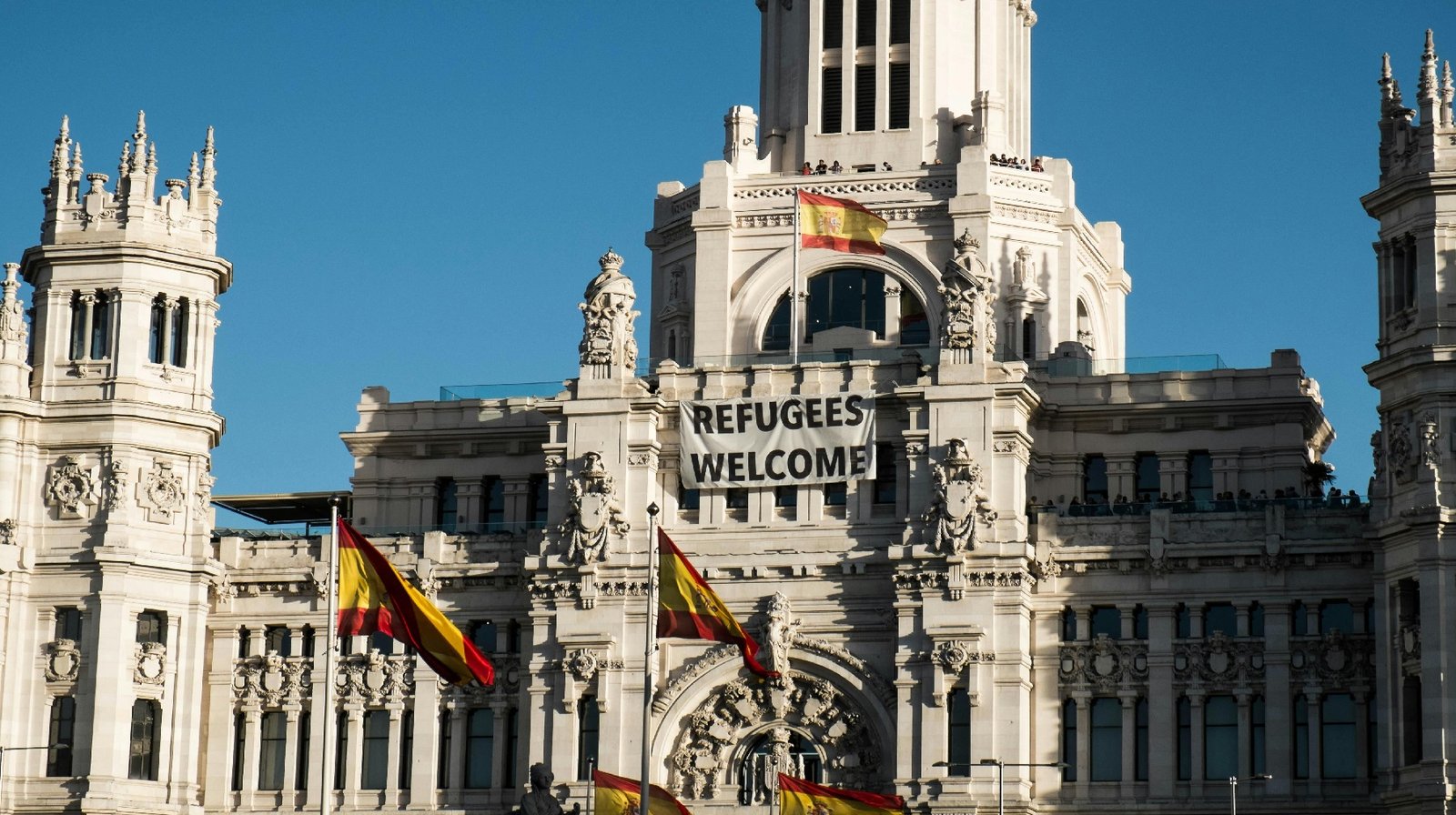
In recent years, Japan has found itself at a crossroads when it comes to handling the issue of refugees and asylum seekers within its borders. The country has a long-standing reputation for its strict immigration policies, leading to challenges for those seeking refuge in Japan. The intersection of refugees and politics in Japan is a complex and contentious issue that raises questions about humanitarianism, national security, and cultural homogeneity. Japan's approach to refugees has been criticized for being overly conservative and restrictive. The country has a low refugee recognition rate compared to other developed nations, with only a small number of asylum applications being approved each year. This has led to concerns about Japan's commitment to upholding international human rights standards and providing protection to those in need. One of the main factors influencing Japan's refugee policies is the country's focus on national security and maintaining social cohesion. With a rapidly aging population and concerns about economic stability, some Japanese officials are wary of opening the doors to large numbers of refugees who may strain social services and compete for scarce resources. Additionally, there are fears about potential security risks posed by refugees, leading to a cautious approach to accepting asylum seekers. At the same time, there are voices within Japan advocating for a more compassionate and inclusive approach to refugees. Human rights organizations and civil society groups have called for Japan to increase its support for refugees and streamline its asylum procedures to provide timely and fair decisions. These advocates argue that Japan has the capacity to welcome and integrate refugees into its society, enriching the country culturally and economically. The issue of refugees in Japan also intersects with broader debates about diversity and inclusion in Japanese society. Japan's emphasis on cultural homogeneity has historically made it challenging for foreigners, including refugees, to fully integrate and be accepted within Japanese communities. Efforts to promote multiculturalism and address xenophobia are essential steps towards creating a more welcoming environment for refugees and immigrants in Japan. As Japan continues to navigate the complexities of refugee politics, there is a growing recognition of the need to balance humanitarian considerations with national interests. Finding a middle ground that upholds Japan's security while also providing refuge to those in need remains a significant challenge. Ultimately, the resolution of refugee politics in Japan will require a nuanced and multi-faceted approach that takes into account the diverse perspectives and interests at play. In conclusion, the issue of refugees in Japan is a multifaceted and challenging one that touches upon fundamental questions of humanitarianism, national security, and cultural identity. As Japan grapples with how to address the needs of refugees while maintaining its own stability, it will be essential for the country to find a balanced and inclusive approach that reflects its values as a global citizen. For the latest insights, read: https://www.cotidiano.org To gain a holistic understanding, refer to https://www.topico.net
Leave a Comment:
SEARCH
Recent News
- Switzerland is widely known for its breathtaking landscapes, high standard of living, and efficient public transportation system. Zurich, the largest city in Switzerland, perfectly embodies these characteristics and offers visitors a unique blend of culture, history, and natural beauty. In this Tunisian travel guide to Zurich, we will explore some of the must-visit attractions, delicious cuisine to try, and practical tips for making the most of your trip.
- Zurich, Switzerland is a vibrant city known for its picturesque landscapes, rich history, and diverse cultural scene. One fascinating aspect of Zurich's cultural tapestry is the influence of Sudanese culture in the city.
- Are you looking for information on travel discounts for seniors in Zurich, Switzerland? One of the perks of growing older is often the access to special deals and discounts, making travel more affordable for those in their golden years. Zurich, the vibrant and picturesque city located in Switzerland, is no exception when it comes to offering discounted rates for senior travelers.
- Zurich, Switzerland, is renowned for its picturesque landscapes, vibrant culture, and thriving economy. However, thousands of kilometers away in Russia, agriculture plays a crucial role in the country's economy and food production.
- When looking at two diverse but equally fascinating destinations such as Zurich, Switzerland, and the rich culture of Quebec in Canada, it’s hard not to be captivated by the unique charm and beauty each has to offer.
- Zurich, Switzerland and Oslo, Norway are two European cities known for their stunning beauty, vibrant cultures, and high quality of life. Both cities offer a mix of modern amenities and historic charm, making them popular destinations for travelers looking to immerse themselves in European culture.
- Exploring Zurich: A Taste of Latin America in Switzerland
- Zurich, Switzerland and Johannesburg, South Africa are two dynamic cities that offer a unique blend of culture, history, and modernity. Despite being located in different corners of the globe, both cities have their own charm and attractions that make them worth visiting.
READ MORE
5 months ago Category :

Switzerland is widely known for its breathtaking landscapes, high standard of living, and efficient public transportation system. Zurich, the largest city in Switzerland, perfectly embodies these characteristics and offers visitors a unique blend of culture, history, and natural beauty. In this Tunisian travel guide to Zurich, we will explore some of the must-visit attractions, delicious cuisine to try, and practical tips for making the most of your trip.
Read More →5 months ago Category :

Zurich, Switzerland is a vibrant city known for its picturesque landscapes, rich history, and diverse cultural scene. One fascinating aspect of Zurich's cultural tapestry is the influence of Sudanese culture in the city.
Read More →5 months ago Category :

Are you looking for information on travel discounts for seniors in Zurich, Switzerland? One of the perks of growing older is often the access to special deals and discounts, making travel more affordable for those in their golden years. Zurich, the vibrant and picturesque city located in Switzerland, is no exception when it comes to offering discounted rates for senior travelers.
Read More →5 months ago Category :
