The Complexities of Refugee Laws and Regulations: Navigating Contradictions
Category : | Sub Category : Posted on 2024-10-05 22:25:23
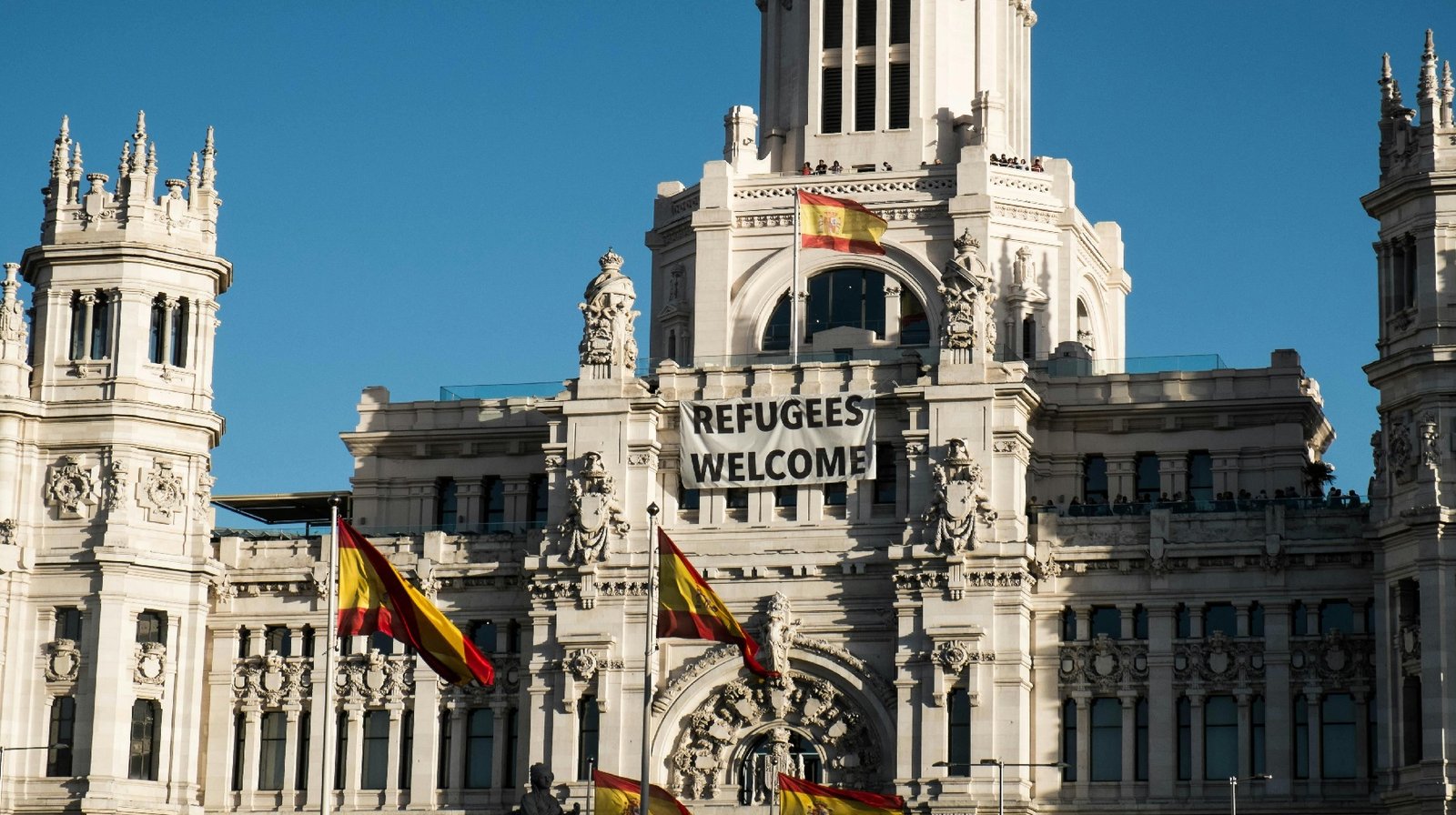
In today's world, the issue of refugees and asylum seekers is one of great importance and sensitivity. As conflicts, persecution, and environmental disasters continue to displace millions of people worldwide, the need for clear and comprehensive refugee laws and regulations is more pressing than ever. However, the reality is that navigating the complex web of international, regional, and national laws can often lead to contradictions and challenges for both refugees and those working to support them. One of the key contradictions in refugee law lies in the criteria for determining refugee status. The 1951 Refugee Convention and its 1967 Protocol provide the internationally-accepted definition of a refugee as someone who has a well-founded fear of persecution based on race, religion, nationality, political opinion, or membership in a particular social group. However, different countries may interpret and apply these criteria in varying ways, leading to inconsistencies in how refugee status is granted or denied. Another contradiction arises in the treatment of refugees once they have crossed a border and sought protection. While international human rights law prohibits the return of refugees to a country where their life or freedom would be at risk (the principle of non-refoulement), some countries have been known to engage in practices such as pushbacks or deportations that violate this fundamental right. This contradiction between legal obligations and actual practices highlights the challenges of ensuring compliance with refugee laws in practice. Furthermore, the issue of temporary protection versus permanent settlement for refugees can also create contradictions within legal frameworks. Some countries may grant temporary protection to refugees fleeing immediate danger but may not provide a clear pathway to permanent residency or citizenship. This can leave refugees in a state of uncertainty and vulnerability, unsure of their long-term prospects and legal status. In addition to these legal contradictions, there are also practical challenges that refugees face in accessing and navigating the asylum process. Language barriers, lack of legal representation, and long processing times can further complicate an already complex system, making it difficult for refugees to assert their rights and seek protection. Addressing the contradictions in refugee laws and regulations requires a comprehensive and coordinated approach at the international, regional, and national levels. Efforts to harmonize legal standards, improve access to legal assistance, and enhance monitoring mechanisms to ensure compliance with international obligations are essential steps in creating a more coherent and effective framework for protecting refugees. In conclusion, while refugee laws and regulations aim to provide protection and assistance to those fleeing persecution and violence, the presence of contradictions and challenges within these legal frameworks underscores the need for ongoing reform and improvement. By addressing these inconsistencies and working towards a more consistent and rights-based approach to refugee protection, we can better uphold the principles of fairness, compassion, and justice for those forced to seek sanctuary in foreign lands.
https://vollmacht.org
Leave a Comment:
SEARCH
Recent News
- Switzerland is widely known for its breathtaking landscapes, high standard of living, and efficient public transportation system. Zurich, the largest city in Switzerland, perfectly embodies these characteristics and offers visitors a unique blend of culture, history, and natural beauty. In this Tunisian travel guide to Zurich, we will explore some of the must-visit attractions, delicious cuisine to try, and practical tips for making the most of your trip.
- Zurich, Switzerland is a vibrant city known for its picturesque landscapes, rich history, and diverse cultural scene. One fascinating aspect of Zurich's cultural tapestry is the influence of Sudanese culture in the city.
- Are you looking for information on travel discounts for seniors in Zurich, Switzerland? One of the perks of growing older is often the access to special deals and discounts, making travel more affordable for those in their golden years. Zurich, the vibrant and picturesque city located in Switzerland, is no exception when it comes to offering discounted rates for senior travelers.
- Zurich, Switzerland, is renowned for its picturesque landscapes, vibrant culture, and thriving economy. However, thousands of kilometers away in Russia, agriculture plays a crucial role in the country's economy and food production.
- When looking at two diverse but equally fascinating destinations such as Zurich, Switzerland, and the rich culture of Quebec in Canada, it’s hard not to be captivated by the unique charm and beauty each has to offer.
- Zurich, Switzerland and Oslo, Norway are two European cities known for their stunning beauty, vibrant cultures, and high quality of life. Both cities offer a mix of modern amenities and historic charm, making them popular destinations for travelers looking to immerse themselves in European culture.
- Exploring Zurich: A Taste of Latin America in Switzerland
- Zurich, Switzerland and Johannesburg, South Africa are two dynamic cities that offer a unique blend of culture, history, and modernity. Despite being located in different corners of the globe, both cities have their own charm and attractions that make them worth visiting.
READ MORE
5 months ago Category :

Switzerland is widely known for its breathtaking landscapes, high standard of living, and efficient public transportation system. Zurich, the largest city in Switzerland, perfectly embodies these characteristics and offers visitors a unique blend of culture, history, and natural beauty. In this Tunisian travel guide to Zurich, we will explore some of the must-visit attractions, delicious cuisine to try, and practical tips for making the most of your trip.
Read More →5 months ago Category :

Zurich, Switzerland is a vibrant city known for its picturesque landscapes, rich history, and diverse cultural scene. One fascinating aspect of Zurich's cultural tapestry is the influence of Sudanese culture in the city.
Read More →5 months ago Category :

Are you looking for information on travel discounts for seniors in Zurich, Switzerland? One of the perks of growing older is often the access to special deals and discounts, making travel more affordable for those in their golden years. Zurich, the vibrant and picturesque city located in Switzerland, is no exception when it comes to offering discounted rates for senior travelers.
Read More →5 months ago Category :
