The Future of Refugee Medical Care in Turkey
Category : | Sub Category : Posted on 2024-10-05 22:25:23
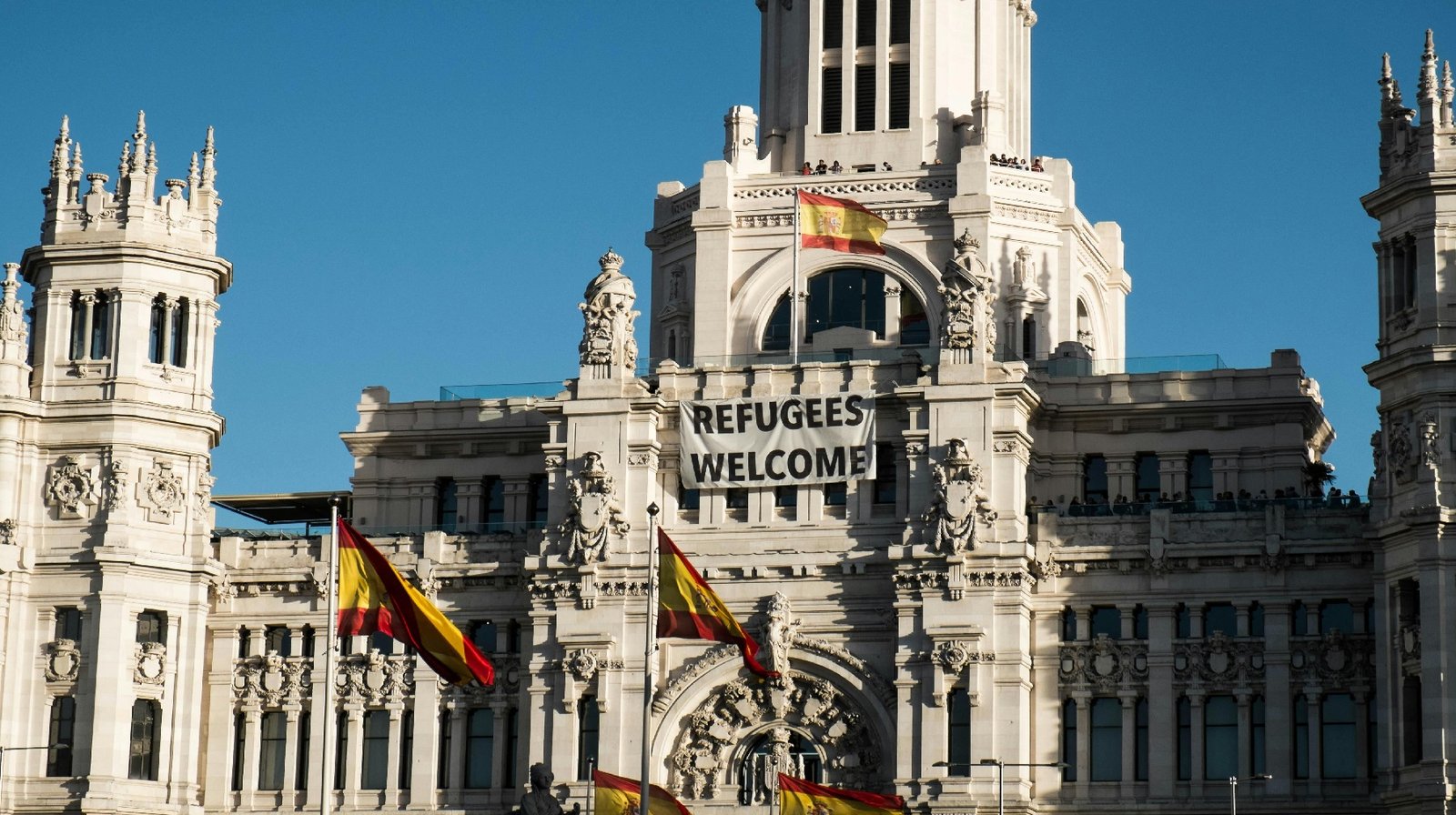
In recent years, Turkey has emerged as a key destination for refugees fleeing conflict, persecution, and economic hardship in their home countries. With over 4 million refugees, Turkey hosts the largest refugee population in the world. Providing healthcare services to such a vast and diverse refugee population presents unique challenges and opportunities for the country's healthcare system. In this blog post, we will explore the current state of refugee medical care in Turkey and look at potential future developments in this crucial area. Currently, refugees in Turkey have access to free healthcare services through the country's public healthcare system. This includes primary care, emergency services, and essential medical treatments. However, despite these efforts, there are still significant gaps in healthcare access and quality for many refugees. Language barriers, cultural differences, and lack of awareness about available services often prevent refugees from seeking the care they need. To address these challenges and improve healthcare outcomes for refugees, there are several initiatives and programs underway in Turkey. For example, the government has established specialized refugee health centers in major cities to provide comprehensive healthcare services tailored to the needs of refugees. These centers offer services such as mental health support, maternal and child health, and chronic disease management. In addition to government efforts, non-governmental organizations (NGOs) and international agencies play a crucial role in supporting refugee healthcare in Turkey. Organizations such as the UN Refugee Agency (UNHCR), Médecins Sans Frontières (MSF), and the Turkish Red Crescent provide essential medical care, psychosocial support, and health education to refugees in both urban and camp settings. Looking ahead, the future of refugee medical care in Turkey holds both challenges and opportunities. As the refugee population continues to grow and diversify, there is a need for innovative approaches to healthcare delivery that are responsive to the unique needs of refugees. This includes strengthening mental health services, improving access to specialized care, and enhancing collaboration between healthcare providers, NGOs, and government agencies. Furthermore, ensuring the long-term sustainability of refugee healthcare services is essential for the wellbeing of both refugees and host communities. This requires continued investment in healthcare infrastructure, workforce capacity building, and strengthening partnerships between stakeholders in the healthcare sector. In conclusion, the future of refugee medical care in Turkey is a complex and multifaceted issue that requires a coordinated and sustainable approach. By addressing the existing challenges and building on the current efforts, Turkey has the potential to become a global model for providing quality healthcare to refugees. As the country continues to navigate the complexities of refugee healthcare, collaboration, innovation, and a commitment to human rights will be key to shaping a more inclusive and equitable healthcare system for all. For an alternative viewpoint, explore https://www.tinyfed.com Expand your knowledge by perusing https://www.natclar.com also click the following link for more https://www.garganta.org If you are interested you can check the following website https://www.ciego.org To get a better understanding, go through https://www.enferma.org To get a different viewpoint, consider: https://www.oreilles.org
https://garganta.org
https://ciego.org
https://enferma.org
https://oreilles.org
Leave a Comment:
SEARCH
Recent News
- Switzerland is widely known for its breathtaking landscapes, high standard of living, and efficient public transportation system. Zurich, the largest city in Switzerland, perfectly embodies these characteristics and offers visitors a unique blend of culture, history, and natural beauty. In this Tunisian travel guide to Zurich, we will explore some of the must-visit attractions, delicious cuisine to try, and practical tips for making the most of your trip.
- Zurich, Switzerland is a vibrant city known for its picturesque landscapes, rich history, and diverse cultural scene. One fascinating aspect of Zurich's cultural tapestry is the influence of Sudanese culture in the city.
- Are you looking for information on travel discounts for seniors in Zurich, Switzerland? One of the perks of growing older is often the access to special deals and discounts, making travel more affordable for those in their golden years. Zurich, the vibrant and picturesque city located in Switzerland, is no exception when it comes to offering discounted rates for senior travelers.
- Zurich, Switzerland, is renowned for its picturesque landscapes, vibrant culture, and thriving economy. However, thousands of kilometers away in Russia, agriculture plays a crucial role in the country's economy and food production.
- When looking at two diverse but equally fascinating destinations such as Zurich, Switzerland, and the rich culture of Quebec in Canada, it’s hard not to be captivated by the unique charm and beauty each has to offer.
- Zurich, Switzerland and Oslo, Norway are two European cities known for their stunning beauty, vibrant cultures, and high quality of life. Both cities offer a mix of modern amenities and historic charm, making them popular destinations for travelers looking to immerse themselves in European culture.
- Exploring Zurich: A Taste of Latin America in Switzerland
- Zurich, Switzerland and Johannesburg, South Africa are two dynamic cities that offer a unique blend of culture, history, and modernity. Despite being located in different corners of the globe, both cities have their own charm and attractions that make them worth visiting.
READ MORE
5 months ago Category :

Switzerland is widely known for its breathtaking landscapes, high standard of living, and efficient public transportation system. Zurich, the largest city in Switzerland, perfectly embodies these characteristics and offers visitors a unique blend of culture, history, and natural beauty. In this Tunisian travel guide to Zurich, we will explore some of the must-visit attractions, delicious cuisine to try, and practical tips for making the most of your trip.
Read More →5 months ago Category :

Zurich, Switzerland is a vibrant city known for its picturesque landscapes, rich history, and diverse cultural scene. One fascinating aspect of Zurich's cultural tapestry is the influence of Sudanese culture in the city.
Read More →5 months ago Category :

Are you looking for information on travel discounts for seniors in Zurich, Switzerland? One of the perks of growing older is often the access to special deals and discounts, making travel more affordable for those in their golden years. Zurich, the vibrant and picturesque city located in Switzerland, is no exception when it comes to offering discounted rates for senior travelers.
Read More →5 months ago Category :
