Empowering Refugees Through Skills Development in the Medical Field
Category : | Sub Category : Posted on 2024-10-05 22:25:23
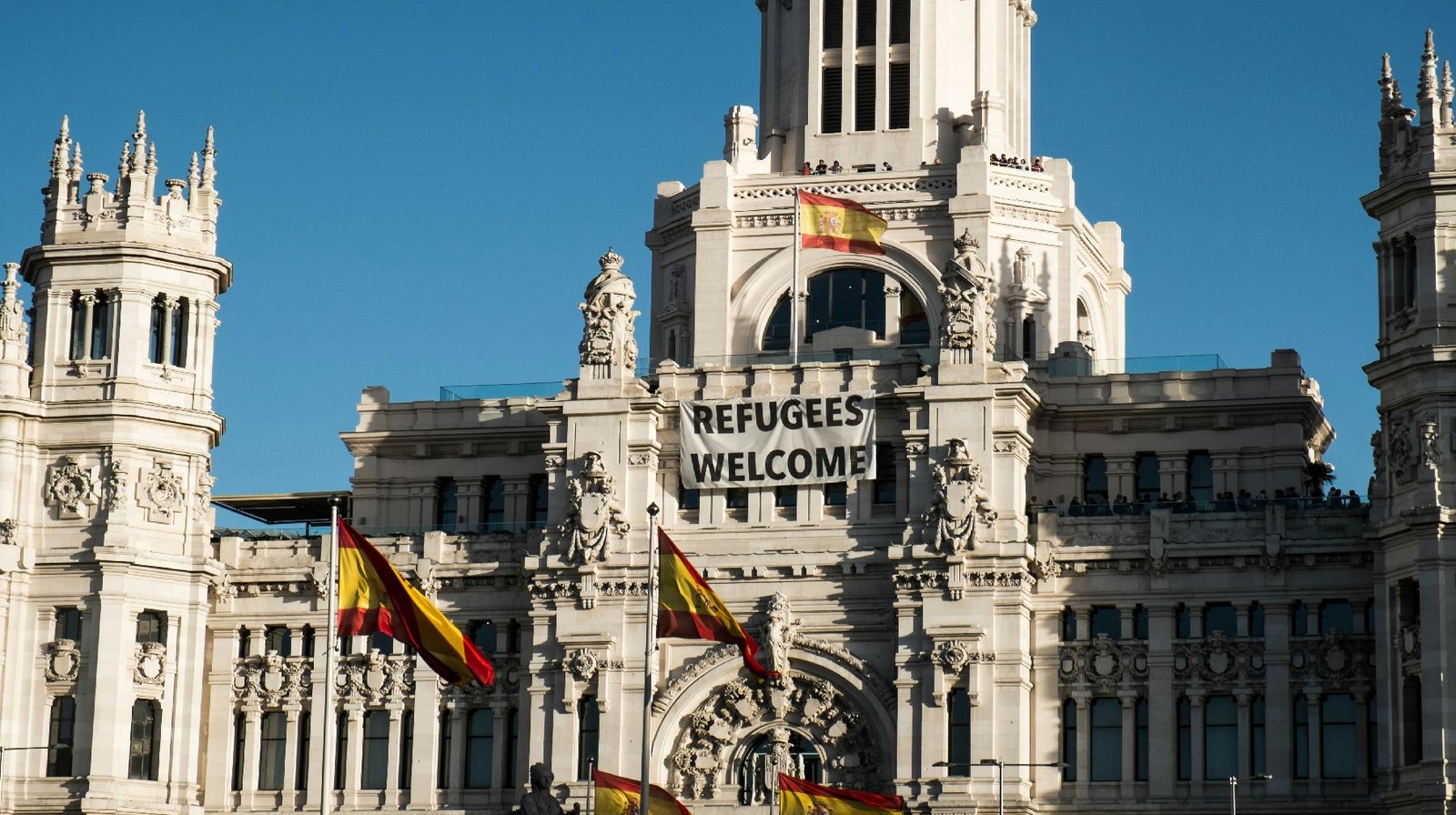
In recent years, the global refugee crisis has forced millions of people to flee their homes in search of safety and refuge. Among these displaced individuals are many highly skilled professionals, including medical professionals, who now find themselves in new countries facing barriers to practicing their professions. However, efforts are being made to empower refugees by providing them with opportunities to develop their Skills in the medical field and contribute to their host communities. One key initiative that has gained traction in addressing this issue is skills development programs tailored specifically for refugee healthcare professionals. These programs provide training, mentorship, and support to help refugees navigate the process of obtaining necessary certifications, licenses, and language proficiency to practice in their host countries. By equipping these individuals with the tools they need to re-enter the medical workforce, these programs not only benefit the refugees themselves but also address shortages in healthcare services in the host communities. For example, organizations such as the International Organization for Migration (IOM) and the United Nations Refugee Agency (UNHCR) work with local partners and institutions to deliver skills development programs for refugee healthcare professionals. These programs include language classes, cultural competency training, clinical skills workshops, and exam preparation courses to help refugees meet the requirements for practicing in their new environments. Moreover, initiatives like mentorship programs connect refugee healthcare professionals with established professionals in their field who can provide guidance and support as they navigate the job market and integrate into the healthcare system. By fostering these connections, refugees can build networks, gain insights into the local healthcare landscape, and access opportunities for career advancement. Skills development in the medical field not only benefits individual refugees but also contributes to the overall healthcare system in host countries. By tapping into the expertise of refugee healthcare professionals, host communities can address workforce shortages, improve cultural competence in healthcare delivery, and enhance the diversity of perspectives in medical settings. Furthermore, by empowering refugees to contribute their skills and knowledge, countries can harness the potential of this talented workforce to strengthen their healthcare systems and promote inclusive societies. In conclusion, empowering refugees through skills development in the medical field is a win-win solution that benefits both refugees and host communities. By investing in programs that support the reintegration of refugee healthcare professionals, we can unlock the potential of these individuals to make meaningful contributions to the healthcare sector and society at large. It is through such initiatives that we can build more inclusive, diverse, and resilient healthcare systems that cater to the needs of all individuals, regardless of their backgrounds. also for More in https://www.tinyfed.com For a comprehensive review, explore https://www.natclar.com You can find more about this subject in https://www.garganta.org For valuable insights, consult https://www.ciego.org Explore this subject in detail with https://www.enferma.org More about this subject in https://www.oreilles.org
https://garganta.org
https://ciego.org
https://enferma.org
https://desencadenar.org
https://oreilles.org
Leave a Comment:
SEARCH
Recent News
- Switzerland is widely known for its breathtaking landscapes, high standard of living, and efficient public transportation system. Zurich, the largest city in Switzerland, perfectly embodies these characteristics and offers visitors a unique blend of culture, history, and natural beauty. In this Tunisian travel guide to Zurich, we will explore some of the must-visit attractions, delicious cuisine to try, and practical tips for making the most of your trip.
- Zurich, Switzerland is a vibrant city known for its picturesque landscapes, rich history, and diverse cultural scene. One fascinating aspect of Zurich's cultural tapestry is the influence of Sudanese culture in the city.
- Are you looking for information on travel discounts for seniors in Zurich, Switzerland? One of the perks of growing older is often the access to special deals and discounts, making travel more affordable for those in their golden years. Zurich, the vibrant and picturesque city located in Switzerland, is no exception when it comes to offering discounted rates for senior travelers.
- Zurich, Switzerland, is renowned for its picturesque landscapes, vibrant culture, and thriving economy. However, thousands of kilometers away in Russia, agriculture plays a crucial role in the country's economy and food production.
- When looking at two diverse but equally fascinating destinations such as Zurich, Switzerland, and the rich culture of Quebec in Canada, it’s hard not to be captivated by the unique charm and beauty each has to offer.
- Zurich, Switzerland and Oslo, Norway are two European cities known for their stunning beauty, vibrant cultures, and high quality of life. Both cities offer a mix of modern amenities and historic charm, making them popular destinations for travelers looking to immerse themselves in European culture.
- Exploring Zurich: A Taste of Latin America in Switzerland
- Zurich, Switzerland and Johannesburg, South Africa are two dynamic cities that offer a unique blend of culture, history, and modernity. Despite being located in different corners of the globe, both cities have their own charm and attractions that make them worth visiting.
READ MORE
5 months ago Category :

Switzerland is widely known for its breathtaking landscapes, high standard of living, and efficient public transportation system. Zurich, the largest city in Switzerland, perfectly embodies these characteristics and offers visitors a unique blend of culture, history, and natural beauty. In this Tunisian travel guide to Zurich, we will explore some of the must-visit attractions, delicious cuisine to try, and practical tips for making the most of your trip.
Read More →5 months ago Category :

Zurich, Switzerland is a vibrant city known for its picturesque landscapes, rich history, and diverse cultural scene. One fascinating aspect of Zurich's cultural tapestry is the influence of Sudanese culture in the city.
Read More →5 months ago Category :

Are you looking for information on travel discounts for seniors in Zurich, Switzerland? One of the perks of growing older is often the access to special deals and discounts, making travel more affordable for those in their golden years. Zurich, the vibrant and picturesque city located in Switzerland, is no exception when it comes to offering discounted rates for senior travelers.
Read More →5 months ago Category :
