Combating Misinformation and Building Critical Thinking Skills through Books on Refugees
Category : | Sub Category : Posted on 2024-10-05 22:25:23
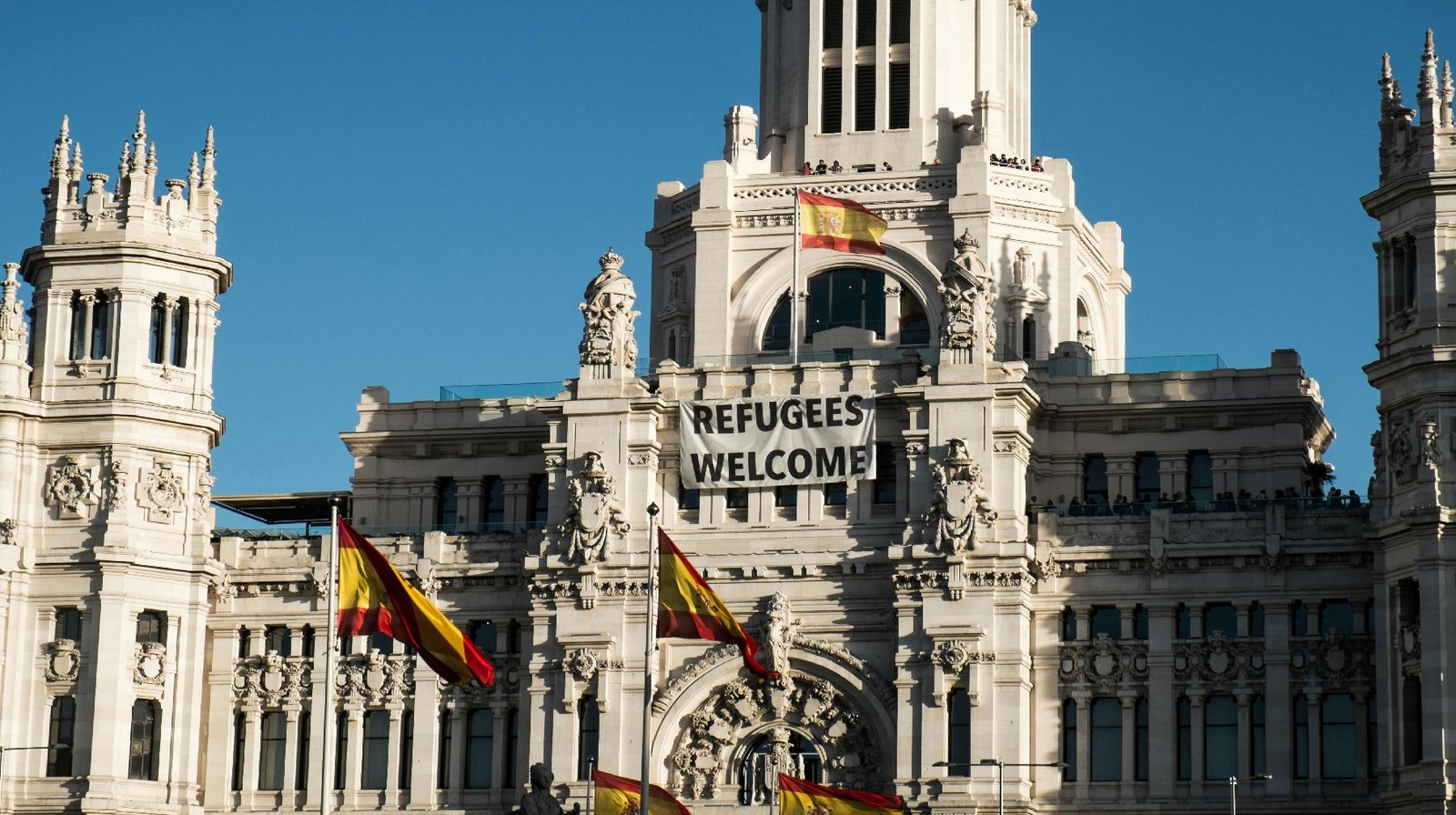
In a world inundated with misinformation and fake news, developing critical thinking skills is more important than ever. When it comes to understanding the refugee crisis, being able to separate fact from fiction is crucial. One powerful way to combat misinformation and enhance critical thinking is through reading books that shed light on the experiences of refugees. Books have the unique ability to transport readers into the lives of others, providing a window into different cultures, perspectives, and challenges. By delving into the stories of refugees, readers can gain a deeper understanding of the complex issues surrounding displacement, immigration, and asylum. Here are some recommended books that not only highlight the struggles and resilience of refugees but also encourage critical thinking and empathy: 1. "The Ungrateful Refugee: What Immigrants Never Tell You" by Dina Nayeri - This book challenges common misconceptions about refugees and explores the complexities of their experiences. 2. "Refugee" by Alan Gratz - A powerful young adult novel that weaves together the stories of three refugee children from different eras and regions. 3. "The Girl Who Smiled Beads: A Story of War and What Comes After" by Clemantine Wamariya - A memoir that chronicles the author's journey as a refugee from Rwanda to the United States. 4. "Exit West" by Mohsin Hamid - A fictional account of two refugees who escape their war-torn country through magical doors that lead to different parts of the world. 5. "The Lightless Sky: A Twelve-Year-Old Refugee's Harrowing Escape from Afghanistan and His Extraordinary Journey Across Half the World" by Gulwali Passarlay - A gripping memoir that offers a firsthand account of the refugee experience. By engaging with these books, readers can hone their critical thinking skills by challenging stereotypes, questioning biases, and expanding their perspectives. Through empathy and understanding, individuals can become more discerning consumers of information and advocates for refugees in their communities. In a time where misinformation runs rampant, books serve as powerful tools for fostering compassion, empathy, and critical thinking. By immersing ourselves in the stories of refugees, we can not only educate ourselves but also take meaningful steps towards creating a more informed and compassionate society.
Leave a Comment:
SEARCH
Recent News
- Switzerland is widely known for its breathtaking landscapes, high standard of living, and efficient public transportation system. Zurich, the largest city in Switzerland, perfectly embodies these characteristics and offers visitors a unique blend of culture, history, and natural beauty. In this Tunisian travel guide to Zurich, we will explore some of the must-visit attractions, delicious cuisine to try, and practical tips for making the most of your trip.
- Zurich, Switzerland is a vibrant city known for its picturesque landscapes, rich history, and diverse cultural scene. One fascinating aspect of Zurich's cultural tapestry is the influence of Sudanese culture in the city.
- Are you looking for information on travel discounts for seniors in Zurich, Switzerland? One of the perks of growing older is often the access to special deals and discounts, making travel more affordable for those in their golden years. Zurich, the vibrant and picturesque city located in Switzerland, is no exception when it comes to offering discounted rates for senior travelers.
- Zurich, Switzerland, is renowned for its picturesque landscapes, vibrant culture, and thriving economy. However, thousands of kilometers away in Russia, agriculture plays a crucial role in the country's economy and food production.
- When looking at two diverse but equally fascinating destinations such as Zurich, Switzerland, and the rich culture of Quebec in Canada, it’s hard not to be captivated by the unique charm and beauty each has to offer.
- Zurich, Switzerland and Oslo, Norway are two European cities known for their stunning beauty, vibrant cultures, and high quality of life. Both cities offer a mix of modern amenities and historic charm, making them popular destinations for travelers looking to immerse themselves in European culture.
- Exploring Zurich: A Taste of Latin America in Switzerland
- Zurich, Switzerland and Johannesburg, South Africa are two dynamic cities that offer a unique blend of culture, history, and modernity. Despite being located in different corners of the globe, both cities have their own charm and attractions that make them worth visiting.
READ MORE
5 months ago Category :

Switzerland is widely known for its breathtaking landscapes, high standard of living, and efficient public transportation system. Zurich, the largest city in Switzerland, perfectly embodies these characteristics and offers visitors a unique blend of culture, history, and natural beauty. In this Tunisian travel guide to Zurich, we will explore some of the must-visit attractions, delicious cuisine to try, and practical tips for making the most of your trip.
Read More →5 months ago Category :

Zurich, Switzerland is a vibrant city known for its picturesque landscapes, rich history, and diverse cultural scene. One fascinating aspect of Zurich's cultural tapestry is the influence of Sudanese culture in the city.
Read More →5 months ago Category :

Are you looking for information on travel discounts for seniors in Zurich, Switzerland? One of the perks of growing older is often the access to special deals and discounts, making travel more affordable for those in their golden years. Zurich, the vibrant and picturesque city located in Switzerland, is no exception when it comes to offering discounted rates for senior travelers.
Read More →5 months ago Category :
