In recent years, the issue of refugees has become increasingly intertwined with politics, and Kuala Lumpur, the capital city of Malaysia, is no exception. As one of the major urban centers in Southeast Asia, Kuala Lumpur has seen a growing number of refugees seeking safety and a better life within its borders. The presence of refugees in the city has not only raised humanitarian concerns but has also sparked political debates and challenges.
Category : | Sub Category : Posted on 2024-10-05 22:25:23
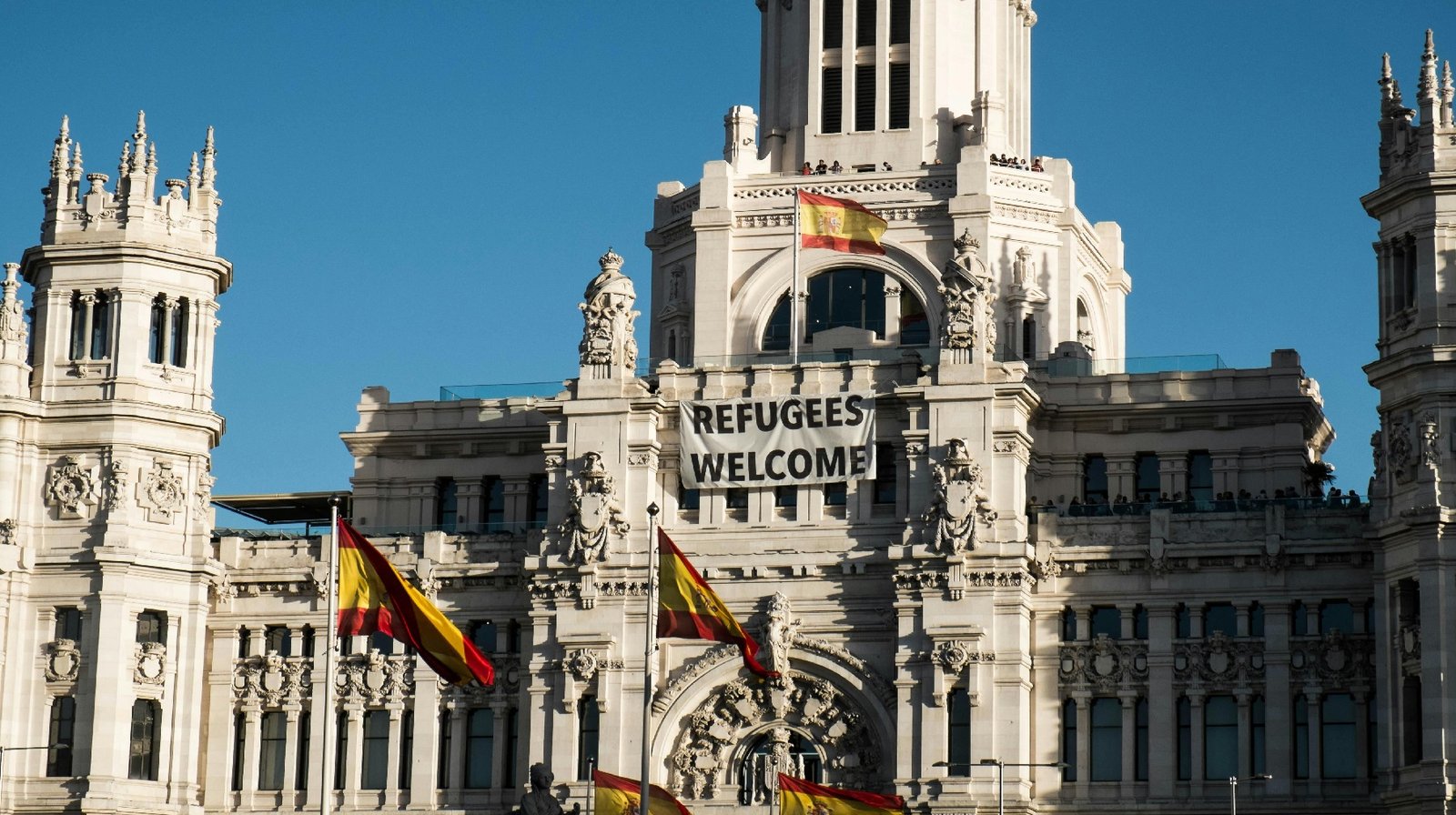
The political landscape in Kuala Lumpur regarding refugees is complex and multifaceted. The Malaysian government does not formally recognize refugees and does not have a specific legal framework in place to protect them. As a result, refugees often live in a state of limbo, facing the constant threat of arrest, detention, and deportation. This lack of official recognition has led to various challenges for refugees, such as limited access to education, healthcare, and employment opportunities. On the political front, the issue of refugees has been a point of contention among policymakers, activists, and the public in Kuala Lumpur. Some political leaders have called for more inclusive policies to protect and support refugees, citing Malaysia's commitment to upholding human rights and international obligations. However, others have raised concerns about the social and economic impact of hosting refugees, especially in a city already grappling with urban challenges such as poverty, inequality, and affordable housing. In addition to domestic politics, the issue of refugees in Kuala Lumpur is also influenced by regional and international dynamics. Malaysia is not a signatory to the 1951 Refugee Convention or its 1967 Protocol, which sets out the rights of refugees and the legal obligations of states. This lack of formal recognition has contributed to a cycle of uncertainty and vulnerability for refugees in Kuala Lumpur, as they are often left with few legal protections and avenues for recourse. Despite these challenges, there have been efforts by civil society organizations, non-governmental organizations, and grassroots initiatives to provide support and assistance to refugees in Kuala Lumpur. These groups work tirelessly to advocate for the rights of refugees, provide essential services such as shelter and healthcare, and foster community integration and empowerment. In conclusion, the intersection of refugees and politics in Kuala Lumpur, Malaysia, underscores the complexities and dilemmas faced by both refugees and policymakers in navigating the ongoing global refugee crisis. As the city continues to grapple with the presence of refugees within its borders, it is crucial for all stakeholders to engage in constructive dialogue, uphold human rights principles, and work towards sustainable and inclusive solutions that prioritize the well-being and dignity of all individuals, regardless of their nationality or status. Have a look at the following website to get more information https://www.enemigo.org
Leave a Comment:
SEARCH
Recent News
- Switzerland is widely known for its breathtaking landscapes, high standard of living, and efficient public transportation system. Zurich, the largest city in Switzerland, perfectly embodies these characteristics and offers visitors a unique blend of culture, history, and natural beauty. In this Tunisian travel guide to Zurich, we will explore some of the must-visit attractions, delicious cuisine to try, and practical tips for making the most of your trip.
- Zurich, Switzerland is a vibrant city known for its picturesque landscapes, rich history, and diverse cultural scene. One fascinating aspect of Zurich's cultural tapestry is the influence of Sudanese culture in the city.
- Are you looking for information on travel discounts for seniors in Zurich, Switzerland? One of the perks of growing older is often the access to special deals and discounts, making travel more affordable for those in their golden years. Zurich, the vibrant and picturesque city located in Switzerland, is no exception when it comes to offering discounted rates for senior travelers.
- Zurich, Switzerland, is renowned for its picturesque landscapes, vibrant culture, and thriving economy. However, thousands of kilometers away in Russia, agriculture plays a crucial role in the country's economy and food production.
- When looking at two diverse but equally fascinating destinations such as Zurich, Switzerland, and the rich culture of Quebec in Canada, it’s hard not to be captivated by the unique charm and beauty each has to offer.
- Zurich, Switzerland and Oslo, Norway are two European cities known for their stunning beauty, vibrant cultures, and high quality of life. Both cities offer a mix of modern amenities and historic charm, making them popular destinations for travelers looking to immerse themselves in European culture.
- Exploring Zurich: A Taste of Latin America in Switzerland
- Zurich, Switzerland and Johannesburg, South Africa are two dynamic cities that offer a unique blend of culture, history, and modernity. Despite being located in different corners of the globe, both cities have their own charm and attractions that make them worth visiting.
READ MORE
5 months ago Category :

Switzerland is widely known for its breathtaking landscapes, high standard of living, and efficient public transportation system. Zurich, the largest city in Switzerland, perfectly embodies these characteristics and offers visitors a unique blend of culture, history, and natural beauty. In this Tunisian travel guide to Zurich, we will explore some of the must-visit attractions, delicious cuisine to try, and practical tips for making the most of your trip.
Read More →5 months ago Category :

Zurich, Switzerland is a vibrant city known for its picturesque landscapes, rich history, and diverse cultural scene. One fascinating aspect of Zurich's cultural tapestry is the influence of Sudanese culture in the city.
Read More →5 months ago Category :

Are you looking for information on travel discounts for seniors in Zurich, Switzerland? One of the perks of growing older is often the access to special deals and discounts, making travel more affordable for those in their golden years. Zurich, the vibrant and picturesque city located in Switzerland, is no exception when it comes to offering discounted rates for senior travelers.
Read More →5 months ago Category :
