How Businesses Can Fulfill Their Responsibility Towards Refugees Through Strategic Planning
Category : | Sub Category : Posted on 2024-10-05 22:25:23
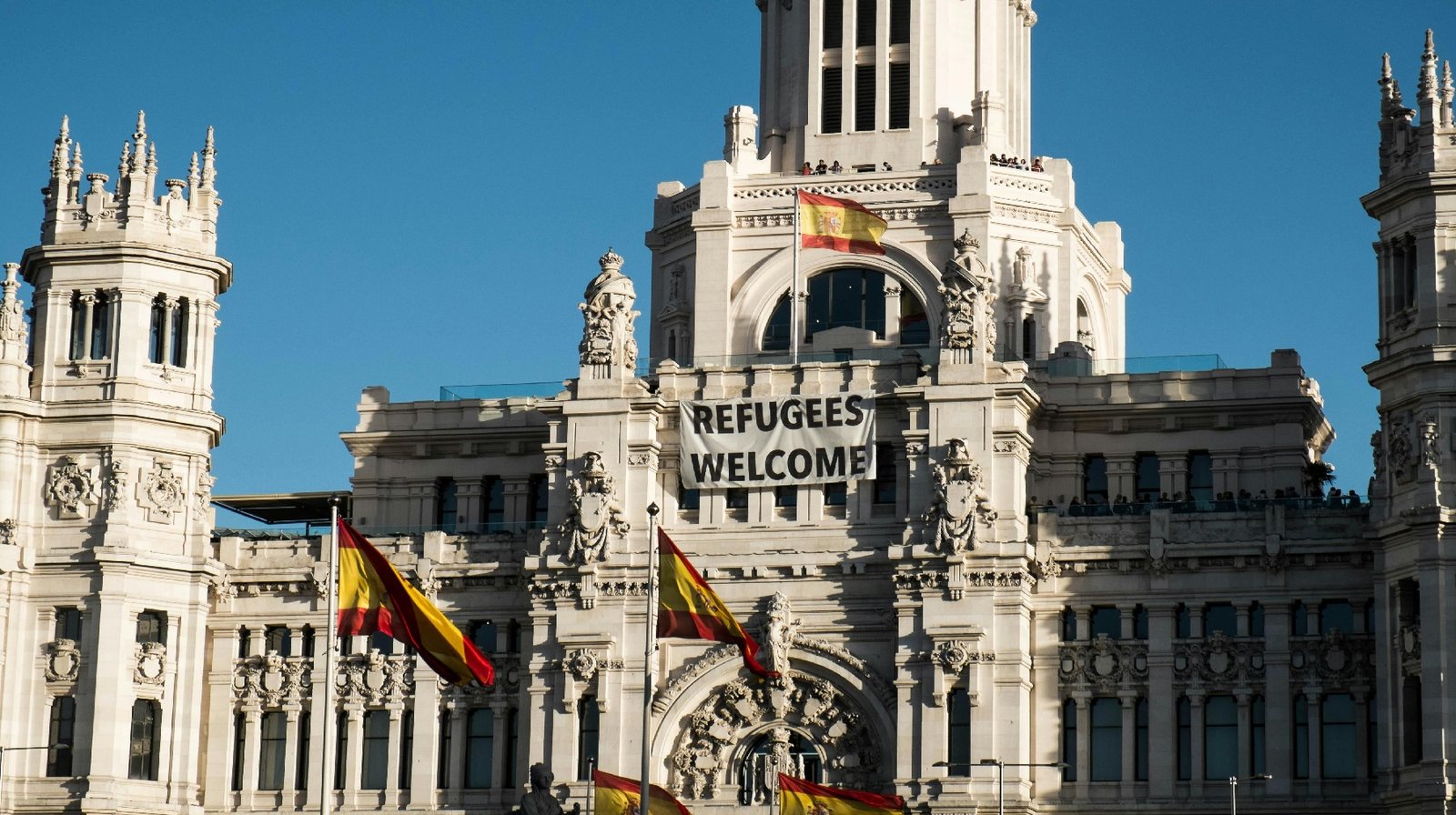
In today's global landscape, the issue of refugees has become a significant humanitarian challenge that requires a collective effort to address. Businesses, as key players in society, are increasingly recognizing their role in supporting refugees and have started to integrate refugee responsibility into their corporate strategies. Incorporating refugees into business planning is not only a social responsibility but also makes good business sense by tapping into new talent pools, enhancing diversity, and fostering goodwill with stakeholders. Here are some ways businesses can fulfill their responsibility towards refugees through strategic planning: 1. **Partnerships with Refugee Organizations**: Businesses can collaborate with reputable refugee organizations to provide job opportunities, vocational training, mentorship programs, and other forms of support for refugees. By partnering with these organizations, companies can gain insights into the unique needs and challenges of refugees and tailor their initiatives accordingly. 2. **Diversity and Inclusion Initiatives**: Including refugees in diversity and inclusion initiatives can help create a more inclusive work environment and provide equal opportunities for all employees. Businesses can implement recruitment strategies that specifically target refugees, create language and cultural training programs, and foster a welcoming workplace culture that values diversity. 3. **Skill Matching and Development**: Businesses can assess the skills and experiences of refugees and match them to suitable job roles within the organization. Providing opportunities for skill development, on-the-job training, and career advancement can help refugees integrate successfully into the workforce and contribute to the company's success. 4. **Sustainable Supply Chain Practices**: Businesses can examine their supply chains to ensure that they do not contribute to the displacement of communities or violate the rights of refugees. By incorporating ethical sourcing practices and supporting suppliers that promote fair labor standards and human rights, companies can uphold their commitment to refugee responsibility. 5. **Corporate Social Responsibility Programs**: Integrating refugee support into corporate social responsibility (CSR) programs can demonstrate a company's commitment to social impact and contribute to positive change in the community. Businesses can allocate resources towards refugee-related projects, donate to refugee assistance programs, or engage employees in volunteer activities that benefit refugees. By proactively including refugees in business planning and operations, companies can not only fulfill their responsibility towards this vulnerable group but also create a more inclusive and socially responsible business environment. Embracing refugees as valuable members of the workforce can lead to mutual benefits for both the company and the refugees themselves, fostering a culture of diversity, equity, and empathy within the organization. In essence, integrating refugee responsibility into business planning is not just a moral imperative but a strategic imperative that has the potential to drive sustainable growth and positive social impact.
https://continuar.org
Leave a Comment:
SEARCH
Recent News
- Switzerland is widely known for its breathtaking landscapes, high standard of living, and efficient public transportation system. Zurich, the largest city in Switzerland, perfectly embodies these characteristics and offers visitors a unique blend of culture, history, and natural beauty. In this Tunisian travel guide to Zurich, we will explore some of the must-visit attractions, delicious cuisine to try, and practical tips for making the most of your trip.
- Zurich, Switzerland is a vibrant city known for its picturesque landscapes, rich history, and diverse cultural scene. One fascinating aspect of Zurich's cultural tapestry is the influence of Sudanese culture in the city.
- Are you looking for information on travel discounts for seniors in Zurich, Switzerland? One of the perks of growing older is often the access to special deals and discounts, making travel more affordable for those in their golden years. Zurich, the vibrant and picturesque city located in Switzerland, is no exception when it comes to offering discounted rates for senior travelers.
- Zurich, Switzerland, is renowned for its picturesque landscapes, vibrant culture, and thriving economy. However, thousands of kilometers away in Russia, agriculture plays a crucial role in the country's economy and food production.
- When looking at two diverse but equally fascinating destinations such as Zurich, Switzerland, and the rich culture of Quebec in Canada, it’s hard not to be captivated by the unique charm and beauty each has to offer.
- Zurich, Switzerland and Oslo, Norway are two European cities known for their stunning beauty, vibrant cultures, and high quality of life. Both cities offer a mix of modern amenities and historic charm, making them popular destinations for travelers looking to immerse themselves in European culture.
- Exploring Zurich: A Taste of Latin America in Switzerland
- Zurich, Switzerland and Johannesburg, South Africa are two dynamic cities that offer a unique blend of culture, history, and modernity. Despite being located in different corners of the globe, both cities have their own charm and attractions that make them worth visiting.
READ MORE
7 months ago Category :

Switzerland is widely known for its breathtaking landscapes, high standard of living, and efficient public transportation system. Zurich, the largest city in Switzerland, perfectly embodies these characteristics and offers visitors a unique blend of culture, history, and natural beauty. In this Tunisian travel guide to Zurich, we will explore some of the must-visit attractions, delicious cuisine to try, and practical tips for making the most of your trip.
Read More →7 months ago Category :

Zurich, Switzerland is a vibrant city known for its picturesque landscapes, rich history, and diverse cultural scene. One fascinating aspect of Zurich's cultural tapestry is the influence of Sudanese culture in the city.
Read More →7 months ago Category :

Are you looking for information on travel discounts for seniors in Zurich, Switzerland? One of the perks of growing older is often the access to special deals and discounts, making travel more affordable for those in their golden years. Zurich, the vibrant and picturesque city located in Switzerland, is no exception when it comes to offering discounted rates for senior travelers.
Read More →7 months ago Category :
