Navigating the Schengen Zone: Communication Tools for Refugees
Category : | Sub Category : Posted on 2024-10-05 22:25:23
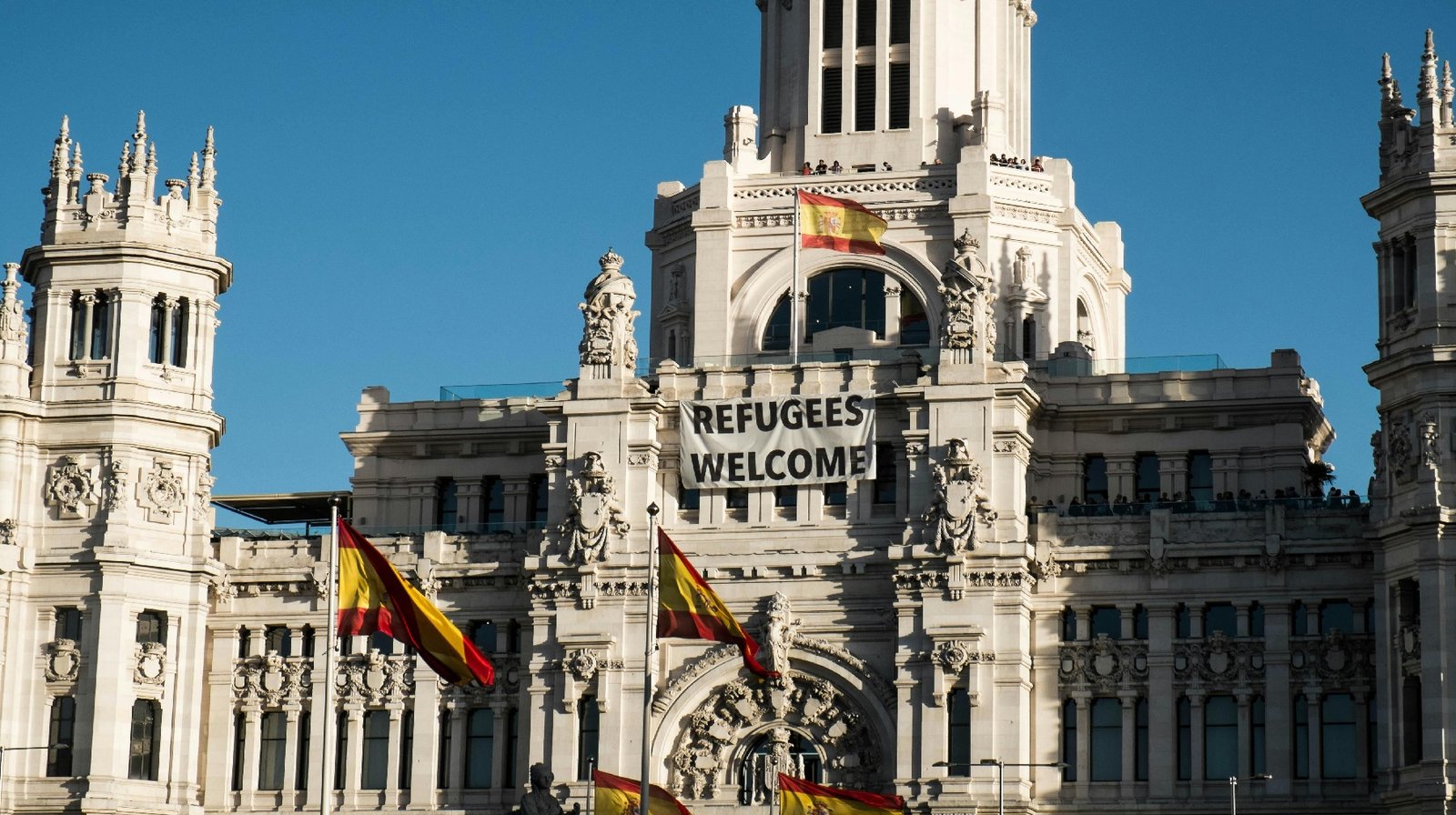
In an increasingly interconnected world, communication is key to bridging gaps and fostering understanding. For refugees navigating the Schengen Zone, having access to effective communication tools can make a world of difference in their journey towards safety and stability. In this blog post, we will explore the importance of communication for refugees in the Schengen Zone and highlight some essential tools that can help them along the way. The Schengen Zone, consisting of 26 European countries that have abolished passport and border controls at their mutual borders, provides both opportunities and challenges for refugees seeking asylum. While the open borders facilitate movement within the region, language barriers and lack of communication can pose significant obstacles for refugees trying to navigate unfamiliar territories and access essential services. One of the most important communication tools for refugees in the Schengen Zone is language translation apps. These apps, such as Google Translate and Microsoft Translator, enable refugees to overcome language barriers by translating text, speech, and even images in real time. This can be invaluable when seeking medical help, communicating with authorities, or simply navigating everyday interactions in a foreign language. In addition to translation apps, communication platforms such as WhatsApp and Signal can help refugees stay connected with their loved ones and support networks. These messaging apps offer secure and reliable communication channels, allowing refugees to share their location, seek assistance, and receive updates on important information and resources. Social media can also play a crucial role in connecting refugees with organizations, volunteers, and fellow refugees in the Schengen Zone. Platforms like Facebook and Twitter allow refugees to access news and updates, find support groups, and share their stories with a wider audience. By leveraging social media, refugees can amplify their voices, raise awareness about their situation, and connect with resources that can help them rebuild their lives. Beyond digital tools, face-to-face communication remains essential for refugees in the Schengen Zone. Local community centers, refugee support organizations, and language classes can provide valuable opportunities for refugees to practice language skills, receive guidance on navigating the asylum process, and build social connections in their new surroundings. In conclusion, effective communication is critical for refugees in the Schengen Zone to access services, seek assistance, and rebuild their lives in a new environment. By utilizing a combination of language translation apps, messaging platforms, social media, and in-person support networks, refugees can overcome communication barriers and empower themselves to navigate the challenges of displacement with resilience and resourcefulness. By embracing communication tools and building strong networks, refugees in the Schengen Zone can create pathways towards integration, inclusion, and ultimately, a brighter future in their new home.
Leave a Comment:
SEARCH
Recent News
- Switzerland is widely known for its breathtaking landscapes, high standard of living, and efficient public transportation system. Zurich, the largest city in Switzerland, perfectly embodies these characteristics and offers visitors a unique blend of culture, history, and natural beauty. In this Tunisian travel guide to Zurich, we will explore some of the must-visit attractions, delicious cuisine to try, and practical tips for making the most of your trip.
- Zurich, Switzerland is a vibrant city known for its picturesque landscapes, rich history, and diverse cultural scene. One fascinating aspect of Zurich's cultural tapestry is the influence of Sudanese culture in the city.
- Are you looking for information on travel discounts for seniors in Zurich, Switzerland? One of the perks of growing older is often the access to special deals and discounts, making travel more affordable for those in their golden years. Zurich, the vibrant and picturesque city located in Switzerland, is no exception when it comes to offering discounted rates for senior travelers.
- Zurich, Switzerland, is renowned for its picturesque landscapes, vibrant culture, and thriving economy. However, thousands of kilometers away in Russia, agriculture plays a crucial role in the country's economy and food production.
- When looking at two diverse but equally fascinating destinations such as Zurich, Switzerland, and the rich culture of Quebec in Canada, it’s hard not to be captivated by the unique charm and beauty each has to offer.
- Zurich, Switzerland and Oslo, Norway are two European cities known for their stunning beauty, vibrant cultures, and high quality of life. Both cities offer a mix of modern amenities and historic charm, making them popular destinations for travelers looking to immerse themselves in European culture.
- Exploring Zurich: A Taste of Latin America in Switzerland
- Zurich, Switzerland and Johannesburg, South Africa are two dynamic cities that offer a unique blend of culture, history, and modernity. Despite being located in different corners of the globe, both cities have their own charm and attractions that make them worth visiting.
READ MORE
7 months ago Category :

Switzerland is widely known for its breathtaking landscapes, high standard of living, and efficient public transportation system. Zurich, the largest city in Switzerland, perfectly embodies these characteristics and offers visitors a unique blend of culture, history, and natural beauty. In this Tunisian travel guide to Zurich, we will explore some of the must-visit attractions, delicious cuisine to try, and practical tips for making the most of your trip.
Read More →7 months ago Category :

Zurich, Switzerland is a vibrant city known for its picturesque landscapes, rich history, and diverse cultural scene. One fascinating aspect of Zurich's cultural tapestry is the influence of Sudanese culture in the city.
Read More →7 months ago Category :

Are you looking for information on travel discounts for seniors in Zurich, Switzerland? One of the perks of growing older is often the access to special deals and discounts, making travel more affordable for those in their golden years. Zurich, the vibrant and picturesque city located in Switzerland, is no exception when it comes to offering discounted rates for senior travelers.
Read More →7 months ago Category :
