The Schengen Zone: Navigating Contradictions in Refugee Policies
Category : | Sub Category : Posted on 2024-10-05 22:25:23
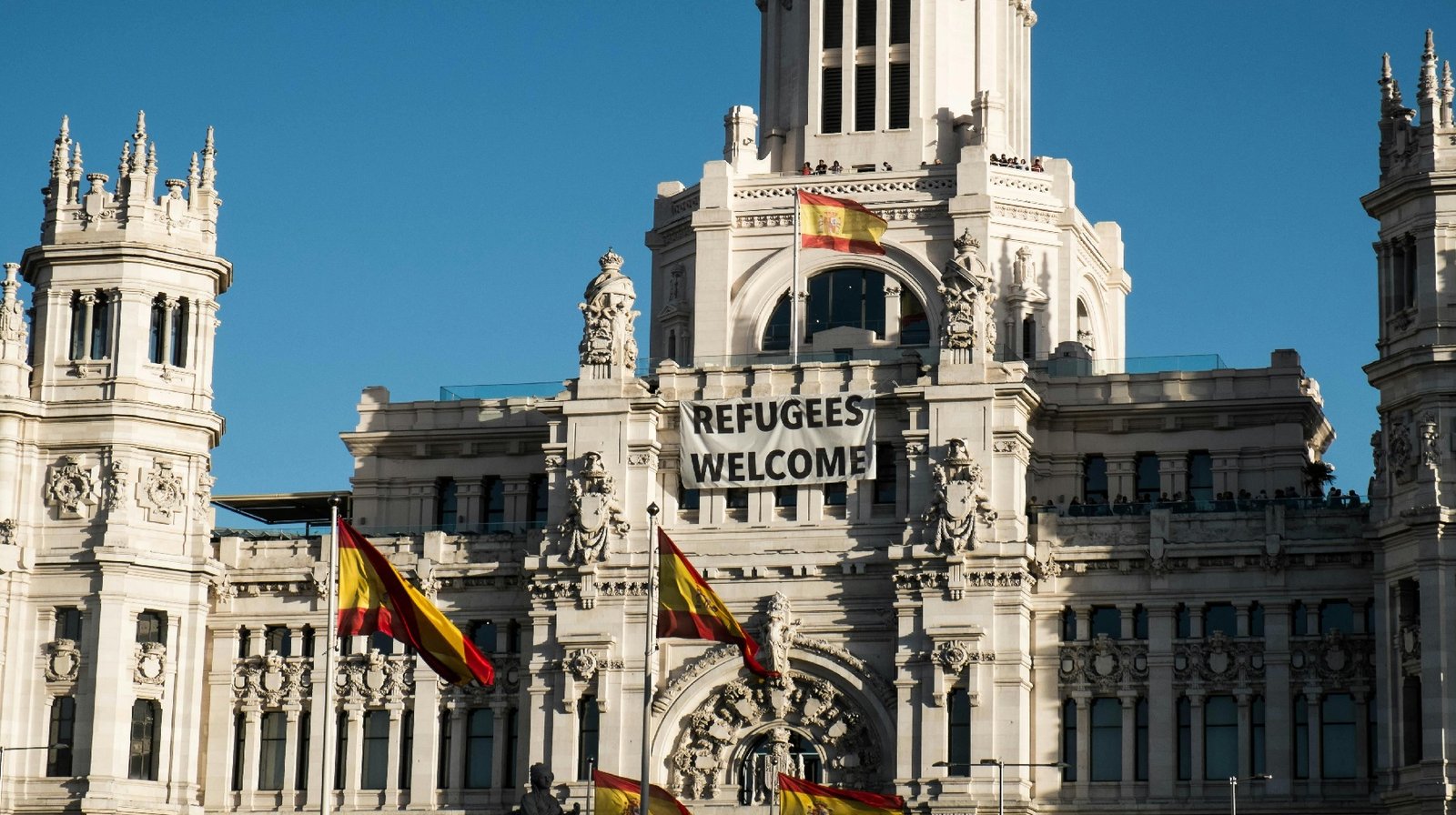
The Schengen Zone, a region comprising 26 European countries that have abolished passport control at their mutual borders, is known for promoting the free movement of people within its boundaries. However, when it comes to the treatment of refugees, the Schengen Zone reveals a complex web of contradictions and challenges. On one hand, the Schengen countries are bound by the principle of solidarity and cooperation outlined in the Schengen Agreement. This agreement encourages member states to work together to manage migration flows effectively and ensure the protection of refugees. However, in practice, we see disparities in how different countries within the Schengen Zone handle the refugee crisis. One key contradiction lies in the struggle to harmonize asylum policies across Schengen countries. While the EU has established common rules and procedures regarding asylum applications, such as the Dublin Regulation which determines which country is responsible for processing an asylum claim, the implementation of these rules varies widely. Some countries, like Germany and Sweden, have shouldered a disproportionate number of asylum seekers, leading to strained resources and public backlash. Meanwhile, other countries, particularly in Eastern Europe, have been criticized for their reluctance to accept refugees and fulfill their responsibilities under EU agreements. Another issue of contention is the internal border controls that some Schengen countries have reinstated in response to the refugee crisis. The temporary reintroduction of border checks in countries like France, Germany, and Austria has raised questions about the durability of the Schengen Zone and its commitment to open borders. While these measures are intended to address security concerns and manage the influx of refugees, they also undermine the fundamental principle of free movement that the Schengen Zone stands for. Moreover, the rise of populist and nationalist movements in several Schengen countries has further complicated the refugee debate. Anti-immigration sentiments and demands for stricter border controls have gained traction, challenging the solidarity and cooperation that are supposed to define the Schengen Zone. In conclusion, the Schengen Zone grapples with inherent contradictions in its approach to refugees. While the ideal of free movement and cooperation is enshrined in the Schengen Agreement, the reality on the ground reveals a patchwork of divergent policies and political interests. Navigating these contradictions will require a delicate balance between upholding European values of solidarity and addressing the legitimate concerns of member states. Only through genuine collaboration and dialogue can the Schengen Zone hope to find sustainable solutions to the refugee crisis.
Leave a Comment:
SEARCH
Recent News
- Switzerland is widely known for its breathtaking landscapes, high standard of living, and efficient public transportation system. Zurich, the largest city in Switzerland, perfectly embodies these characteristics and offers visitors a unique blend of culture, history, and natural beauty. In this Tunisian travel guide to Zurich, we will explore some of the must-visit attractions, delicious cuisine to try, and practical tips for making the most of your trip.
- Zurich, Switzerland is a vibrant city known for its picturesque landscapes, rich history, and diverse cultural scene. One fascinating aspect of Zurich's cultural tapestry is the influence of Sudanese culture in the city.
- Are you looking for information on travel discounts for seniors in Zurich, Switzerland? One of the perks of growing older is often the access to special deals and discounts, making travel more affordable for those in their golden years. Zurich, the vibrant and picturesque city located in Switzerland, is no exception when it comes to offering discounted rates for senior travelers.
- Zurich, Switzerland, is renowned for its picturesque landscapes, vibrant culture, and thriving economy. However, thousands of kilometers away in Russia, agriculture plays a crucial role in the country's economy and food production.
- When looking at two diverse but equally fascinating destinations such as Zurich, Switzerland, and the rich culture of Quebec in Canada, it’s hard not to be captivated by the unique charm and beauty each has to offer.
- Zurich, Switzerland and Oslo, Norway are two European cities known for their stunning beauty, vibrant cultures, and high quality of life. Both cities offer a mix of modern amenities and historic charm, making them popular destinations for travelers looking to immerse themselves in European culture.
- Exploring Zurich: A Taste of Latin America in Switzerland
- Zurich, Switzerland and Johannesburg, South Africa are two dynamic cities that offer a unique blend of culture, history, and modernity. Despite being located in different corners of the globe, both cities have their own charm and attractions that make them worth visiting.
READ MORE
7 months ago Category :

Switzerland is widely known for its breathtaking landscapes, high standard of living, and efficient public transportation system. Zurich, the largest city in Switzerland, perfectly embodies these characteristics and offers visitors a unique blend of culture, history, and natural beauty. In this Tunisian travel guide to Zurich, we will explore some of the must-visit attractions, delicious cuisine to try, and practical tips for making the most of your trip.
Read More →7 months ago Category :

Zurich, Switzerland is a vibrant city known for its picturesque landscapes, rich history, and diverse cultural scene. One fascinating aspect of Zurich's cultural tapestry is the influence of Sudanese culture in the city.
Read More →7 months ago Category :

Are you looking for information on travel discounts for seniors in Zurich, Switzerland? One of the perks of growing older is often the access to special deals and discounts, making travel more affordable for those in their golden years. Zurich, the vibrant and picturesque city located in Switzerland, is no exception when it comes to offering discounted rates for senior travelers.
Read More →7 months ago Category :
