Navigating the Schengen Zone: Challenges Faced by Refugees from Egypt
Category : | Sub Category : Posted on 2024-10-05 22:25:23
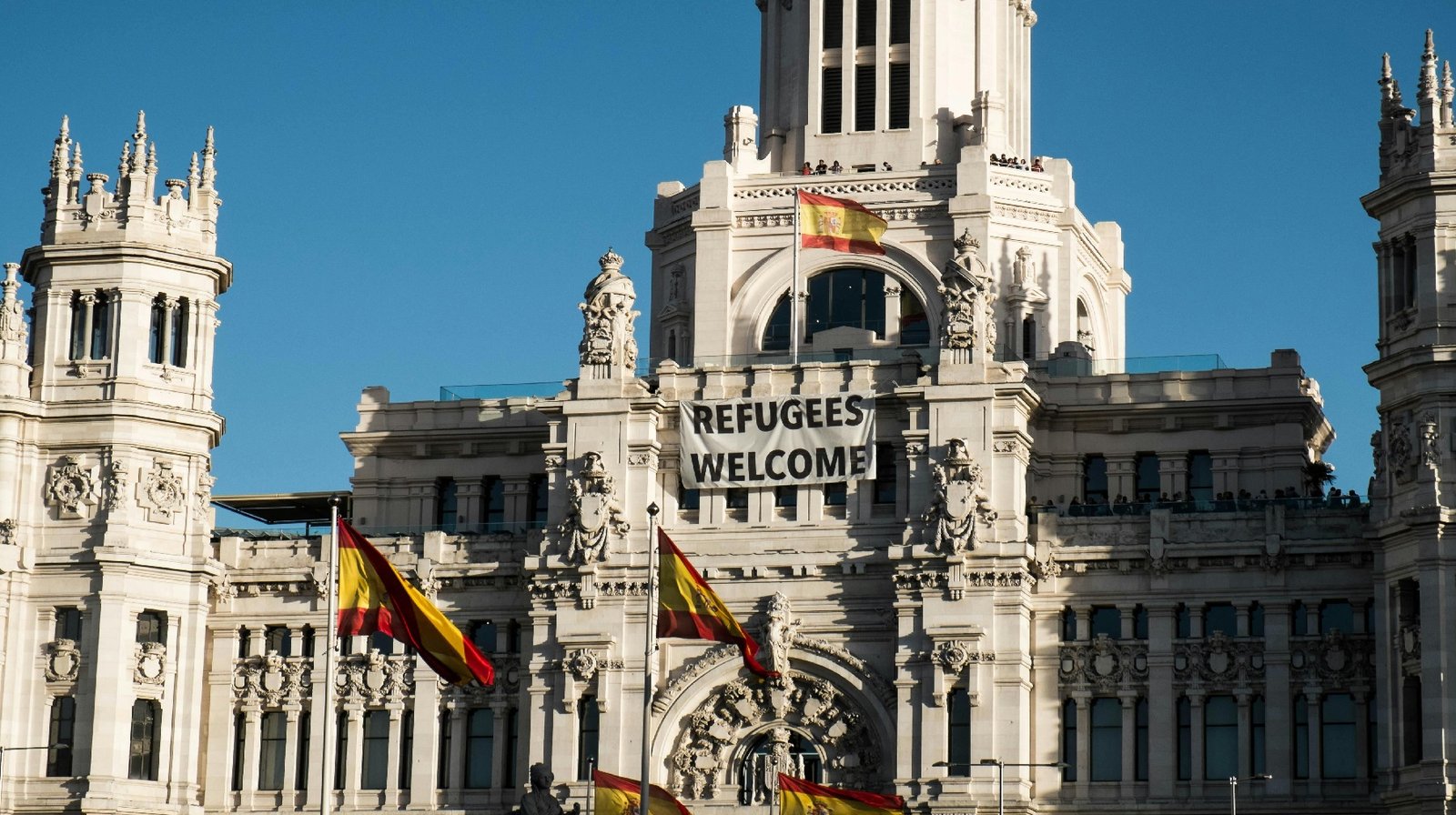
The Schengen Zone, comprising 26 European countries that have abolished passport control at their mutual borders, represents a beacon of hope for many refugees fleeing from war, persecution, and economic hardship. However, for refugees from Egypt, navigating the complexities of the Schengen Zone poses unique challenges and obstacles. Egyptians seeking asylum in Europe often face difficulties even before reaching the Schengen Area. Limited access to legal and safe pathways for migration forces many individuals to undertake dangerous journeys, relying on smugglers and facing the risk of exploitation and violence. Those who manage to reach European shores then encounter the intricate web of regulations and policies governing asylum applications and border crossings within the Schengen Zone. One of the key challenges for Egyptian refugees in the Schengen Zone is the issue of secondary movement. According to the Dublin Regulation, asylum seekers are required to apply for protection in the first European country they enter. This rule often leads to instances where refugees are sent back to the country of their first entry, such as Italy or Greece, further complicating their legal status and access to needed support. Moreover, the lack of harmonization among Schengen countries in terms of asylum procedures and reception conditions means that the experience of refugees can vary significantly depending on the country they end up in. While some countries offer robust support systems and efficient asylum processes, others struggle with backlogs, overcrowded reception centers, and limited resources, leaving refugees in a state of limbo. For refugees from Egypt, cultural and linguistic barriers can also pose challenges when trying to navigate the asylum system in Schengen countries. Understanding legal procedures, accessing information, and communicating with authorities and support services can be daunting tasks for individuals who may already be experiencing trauma and displacement. Despite these challenges, many refugees from Egypt persevere in their quest for safety and a better future in Europe. Organizations and advocacy groups play a crucial role in providing legal assistance, social support, and guidance to help refugees navigate the complexities of the asylum process and integrate into their host communities. As Europe grapples with the ongoing refugee crisis and debates over immigration policies, it is essential to recognize the unique challenges faced by refugees from Egypt and other countries in the region. By addressing systemic barriers, enhancing cross-border cooperation, and upholding human rights principles, the Schengen Zone can truly become a space of refuge and solidarity for those in need. In conclusion, the journey of Egyptian refugees in the Schengen Zone is fraught with obstacles, but their resilience and determination to seek safety and protection demonstrate the importance of solidarity and compassion in addressing the global refugee crisis. It is incumbent upon policymakers, civil society, and individual citizens to work together to create a welcoming and inclusive environment for refugees, ensuring that the principles of humanity and justice are upheld for all.
https://egyptwn.com
Leave a Comment:
SEARCH
Recent News
- Switzerland is widely known for its breathtaking landscapes, high standard of living, and efficient public transportation system. Zurich, the largest city in Switzerland, perfectly embodies these characteristics and offers visitors a unique blend of culture, history, and natural beauty. In this Tunisian travel guide to Zurich, we will explore some of the must-visit attractions, delicious cuisine to try, and practical tips for making the most of your trip.
- Zurich, Switzerland is a vibrant city known for its picturesque landscapes, rich history, and diverse cultural scene. One fascinating aspect of Zurich's cultural tapestry is the influence of Sudanese culture in the city.
- Are you looking for information on travel discounts for seniors in Zurich, Switzerland? One of the perks of growing older is often the access to special deals and discounts, making travel more affordable for those in their golden years. Zurich, the vibrant and picturesque city located in Switzerland, is no exception when it comes to offering discounted rates for senior travelers.
- Zurich, Switzerland, is renowned for its picturesque landscapes, vibrant culture, and thriving economy. However, thousands of kilometers away in Russia, agriculture plays a crucial role in the country's economy and food production.
- When looking at two diverse but equally fascinating destinations such as Zurich, Switzerland, and the rich culture of Quebec in Canada, it’s hard not to be captivated by the unique charm and beauty each has to offer.
- Zurich, Switzerland and Oslo, Norway are two European cities known for their stunning beauty, vibrant cultures, and high quality of life. Both cities offer a mix of modern amenities and historic charm, making them popular destinations for travelers looking to immerse themselves in European culture.
- Exploring Zurich: A Taste of Latin America in Switzerland
- Zurich, Switzerland and Johannesburg, South Africa are two dynamic cities that offer a unique blend of culture, history, and modernity. Despite being located in different corners of the globe, both cities have their own charm and attractions that make them worth visiting.
READ MORE
7 months ago Category :

Switzerland is widely known for its breathtaking landscapes, high standard of living, and efficient public transportation system. Zurich, the largest city in Switzerland, perfectly embodies these characteristics and offers visitors a unique blend of culture, history, and natural beauty. In this Tunisian travel guide to Zurich, we will explore some of the must-visit attractions, delicious cuisine to try, and practical tips for making the most of your trip.
Read More →7 months ago Category :

Zurich, Switzerland is a vibrant city known for its picturesque landscapes, rich history, and diverse cultural scene. One fascinating aspect of Zurich's cultural tapestry is the influence of Sudanese culture in the city.
Read More →7 months ago Category :

Are you looking for information on travel discounts for seniors in Zurich, Switzerland? One of the perks of growing older is often the access to special deals and discounts, making travel more affordable for those in their golden years. Zurich, the vibrant and picturesque city located in Switzerland, is no exception when it comes to offering discounted rates for senior travelers.
Read More →7 months ago Category :
