Navigating the Schengen Zone: Syrian Refugees Abroad
Category : | Sub Category : Posted on 2024-10-05 22:25:23
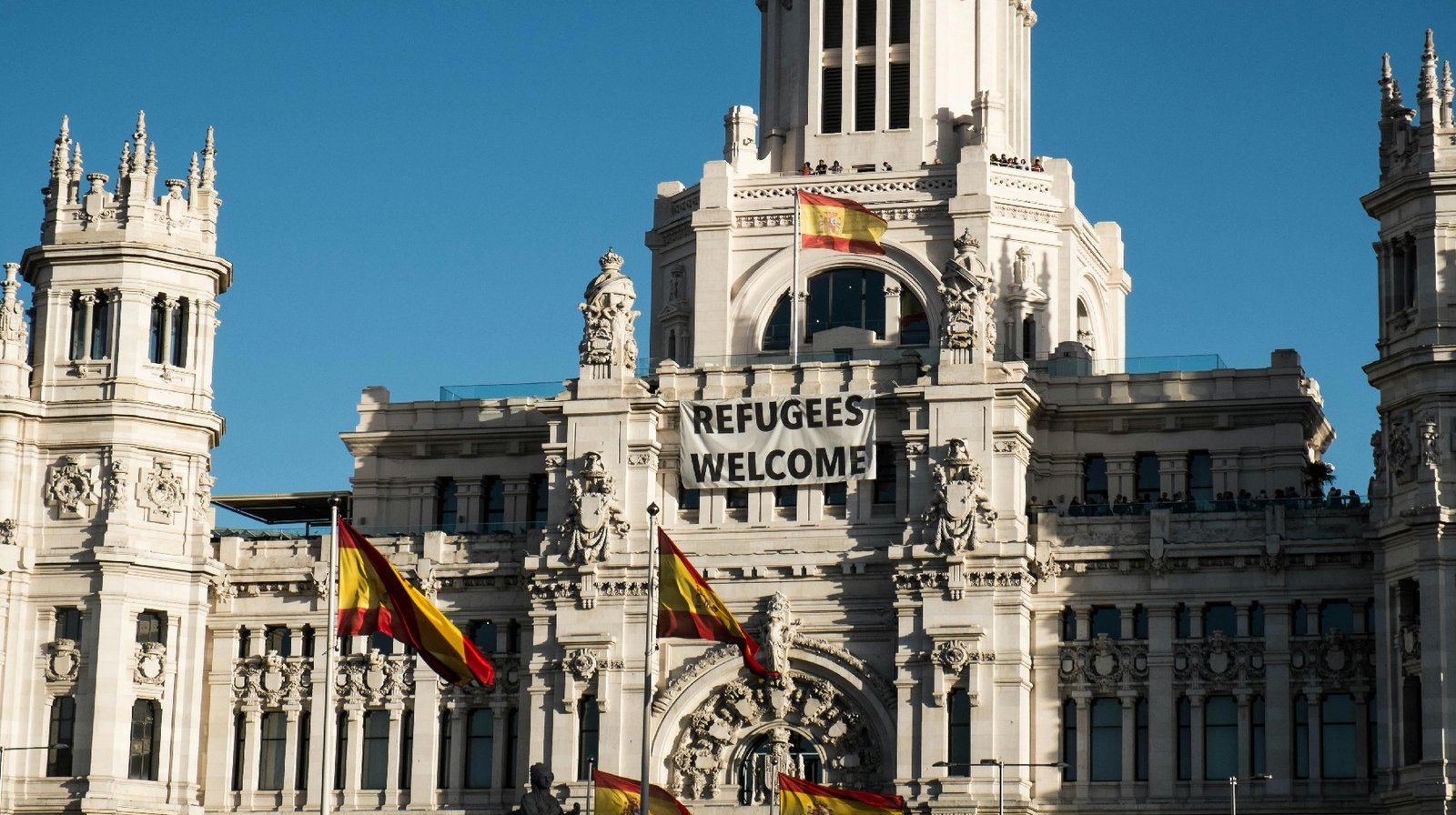
The Schengen Zone has long been a symbol of freedom of movement in Europe, allowing individuals to travel across borders without the need for extensive border checks. However, for Syrian refugees seeking safety and a new life abroad, navigating the complexities of the Schengen Zone can present significant challenges. Since the onset of the Syrian civil war in 2011, millions of Syrians have been forced to flee their homes in search of safety and stability. Many have sought refuge in countries within the Schengen Zone, such as Germany, Sweden, and France. While these countries have offered sanctuary to some, the journey to reaching and settling in these nations is fraught with obstacles. One of the primary challenges Syrian refugees face is the arduous asylum application process. In order to seek protection in a Schengen Zone country, individuals must apply for asylum and undergo a series of interviews and background checks to determine their eligibility. This process can be lengthy and complex, often leaving refugees in a state of uncertainty and limbo as they await a decision on their application. Additionally, the issue of border controls within the Schengen Zone presents challenges for Syrian refugees on the move. While the Schengen Agreement allows for passport-free travel within member states, the resurgence of border controls in response to the refugee crisis has made it increasingly difficult for individuals to cross borders without facing scrutiny. This has led to instances of refugees being stranded at border crossings or facing deportation back to their countries of origin. Despite these challenges, many Syrian refugees have managed to successfully navigate the Schengen Zone and build new lives in their host countries. Through resilience, determination, and the support of local communities and organizations, refugees have been able to overcome barriers and integrate into their new societies. As the refugee crisis continues to unfold, it is imperative that Schengen Zone countries work together to streamline asylum processes, eliminate barriers to entry, and uphold the principles of solidarity and protection for those in need. By doing so, the Schengen Zone can truly embody its values of freedom of movement and inclusivity for all individuals, including Syrian refugees seeking a brighter future abroad.
Leave a Comment:
SEARCH
Recent News
- Switzerland is widely known for its breathtaking landscapes, high standard of living, and efficient public transportation system. Zurich, the largest city in Switzerland, perfectly embodies these characteristics and offers visitors a unique blend of culture, history, and natural beauty. In this Tunisian travel guide to Zurich, we will explore some of the must-visit attractions, delicious cuisine to try, and practical tips for making the most of your trip.
- Zurich, Switzerland is a vibrant city known for its picturesque landscapes, rich history, and diverse cultural scene. One fascinating aspect of Zurich's cultural tapestry is the influence of Sudanese culture in the city.
- Are you looking for information on travel discounts for seniors in Zurich, Switzerland? One of the perks of growing older is often the access to special deals and discounts, making travel more affordable for those in their golden years. Zurich, the vibrant and picturesque city located in Switzerland, is no exception when it comes to offering discounted rates for senior travelers.
- Zurich, Switzerland, is renowned for its picturesque landscapes, vibrant culture, and thriving economy. However, thousands of kilometers away in Russia, agriculture plays a crucial role in the country's economy and food production.
- When looking at two diverse but equally fascinating destinations such as Zurich, Switzerland, and the rich culture of Quebec in Canada, it’s hard not to be captivated by the unique charm and beauty each has to offer.
- Zurich, Switzerland and Oslo, Norway are two European cities known for their stunning beauty, vibrant cultures, and high quality of life. Both cities offer a mix of modern amenities and historic charm, making them popular destinations for travelers looking to immerse themselves in European culture.
- Exploring Zurich: A Taste of Latin America in Switzerland
- Zurich, Switzerland and Johannesburg, South Africa are two dynamic cities that offer a unique blend of culture, history, and modernity. Despite being located in different corners of the globe, both cities have their own charm and attractions that make them worth visiting.
READ MORE
7 months ago Category :

Switzerland is widely known for its breathtaking landscapes, high standard of living, and efficient public transportation system. Zurich, the largest city in Switzerland, perfectly embodies these characteristics and offers visitors a unique blend of culture, history, and natural beauty. In this Tunisian travel guide to Zurich, we will explore some of the must-visit attractions, delicious cuisine to try, and practical tips for making the most of your trip.
Read More →7 months ago Category :

Zurich, Switzerland is a vibrant city known for its picturesque landscapes, rich history, and diverse cultural scene. One fascinating aspect of Zurich's cultural tapestry is the influence of Sudanese culture in the city.
Read More →7 months ago Category :

Are you looking for information on travel discounts for seniors in Zurich, Switzerland? One of the perks of growing older is often the access to special deals and discounts, making travel more affordable for those in their golden years. Zurich, the vibrant and picturesque city located in Switzerland, is no exception when it comes to offering discounted rates for senior travelers.
Read More →7 months ago Category :
