Navigating Schengen Zone Travel: A Guide for Refugees
Category : | Sub Category : Posted on 2024-10-05 22:25:23
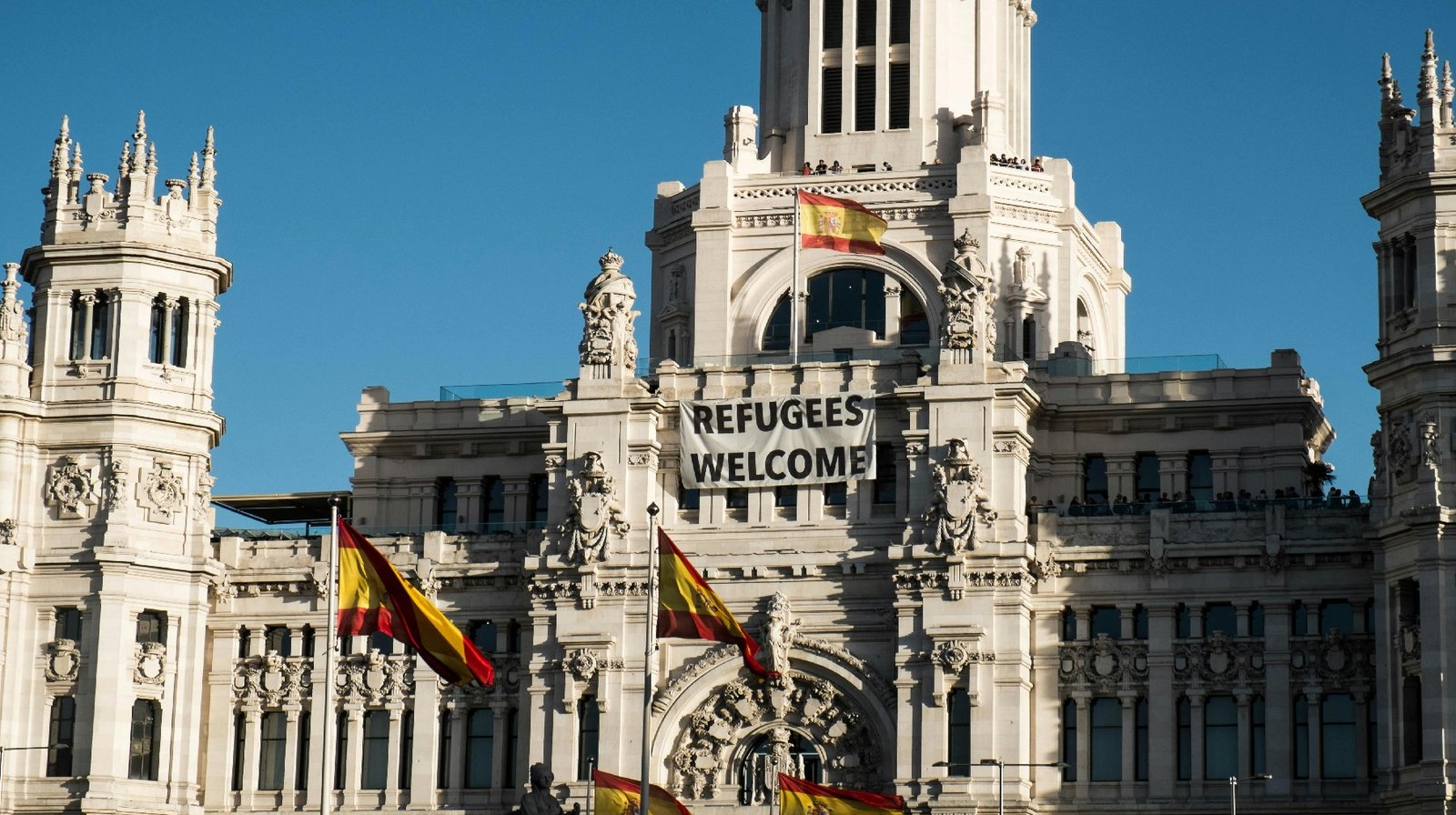
The Schengen Zone, a borderless area encompassing 26 European countries, is a beacon of freedom and opportunity for many. However, for refugees seeking safety and a fresh start in Europe, navigating the complexities of Schengen Zone travel can be daunting. In this guide, we will explore the challenges refugees face, as well as some tips and resources to help them successfully travel within the Schengen Zone. One of the biggest hurdles refugees encounter when traveling within the Schengen Zone is obtaining the necessary documentation. To enter and move freely within the Schengen Zone, refugees typically need a valid travel document or passport, a visa (in some cases), and proof of their refugee status. These requirements can vary depending on the country they are traveling to, so it is crucial for refugees to research and understand the specific entry requirements of each Schengen country they plan to visit. For refugees fleeing conflict or persecution, the journey to safety is often marked by uncertainty and risk. Many refugees may not have access to proper documentation, making it difficult for them to obtain the necessary travel documents required to enter the Schengen Zone legally. In such cases, refugees may choose to travel irregularly or seek asylum upon arrival in a Schengen country. However, doing so can put them at risk of exploitation, detention, or deportation. Despite the challenges, there are organizations and resources available to help refugees navigate Schengen Zone travel safely and legally. NGOs, such as the International Rescue Committee and the UN Refugee Agency, provide valuable information and assistance to refugees seeking to travel within the Schengen Zone. These organizations can help refugees understand their rights, access legal support, and navigate the asylum process in their destination country. In recent years, some Schengen countries have implemented policies to make it easier for refugees to travel within the zone. For example, under the Dublin Regulation, asylum seekers in one Schengen country can request to be reunited with family members in another Schengen country. This provision aims to facilitate family reunification and support the integration of refugees within the Schengen Zone. As we work towards a more inclusive and welcoming Europe, it is essential to support and empower refugees in their journeys to safety and stability. By increasing awareness of the challenges refugees face in navigating Schengen Zone travel and providing them with the necessary resources and support, we can help create a more compassionate and interconnected world for all. In conclusion, while navigating Schengen Zone travel as a refugee can be complex and challenging, it is not impossible. By understanding the entry requirements, seeking assistance from NGOs and legal experts, and advocating for policies that support refugee rights, we can help refugees travel safely and with dignity within the Schengen Zone. Together, we can build a more inclusive and compassionate Europe for all who seek refuge and opportunity. Have a look at https://www.travellersdb.com For a different perspective, see: https://www.mimidate.com Get a comprehensive view with https://www.cotidiano.org to Get more information at https://www.topico.net
Leave a Comment:
SEARCH
Recent News
- Switzerland is widely known for its breathtaking landscapes, high standard of living, and efficient public transportation system. Zurich, the largest city in Switzerland, perfectly embodies these characteristics and offers visitors a unique blend of culture, history, and natural beauty. In this Tunisian travel guide to Zurich, we will explore some of the must-visit attractions, delicious cuisine to try, and practical tips for making the most of your trip.
- Zurich, Switzerland is a vibrant city known for its picturesque landscapes, rich history, and diverse cultural scene. One fascinating aspect of Zurich's cultural tapestry is the influence of Sudanese culture in the city.
- Are you looking for information on travel discounts for seniors in Zurich, Switzerland? One of the perks of growing older is often the access to special deals and discounts, making travel more affordable for those in their golden years. Zurich, the vibrant and picturesque city located in Switzerland, is no exception when it comes to offering discounted rates for senior travelers.
- Zurich, Switzerland, is renowned for its picturesque landscapes, vibrant culture, and thriving economy. However, thousands of kilometers away in Russia, agriculture plays a crucial role in the country's economy and food production.
- When looking at two diverse but equally fascinating destinations such as Zurich, Switzerland, and the rich culture of Quebec in Canada, it’s hard not to be captivated by the unique charm and beauty each has to offer.
- Zurich, Switzerland and Oslo, Norway are two European cities known for their stunning beauty, vibrant cultures, and high quality of life. Both cities offer a mix of modern amenities and historic charm, making them popular destinations for travelers looking to immerse themselves in European culture.
- Exploring Zurich: A Taste of Latin America in Switzerland
- Zurich, Switzerland and Johannesburg, South Africa are two dynamic cities that offer a unique blend of culture, history, and modernity. Despite being located in different corners of the globe, both cities have their own charm and attractions that make them worth visiting.
READ MORE
7 months ago Category :

Switzerland is widely known for its breathtaking landscapes, high standard of living, and efficient public transportation system. Zurich, the largest city in Switzerland, perfectly embodies these characteristics and offers visitors a unique blend of culture, history, and natural beauty. In this Tunisian travel guide to Zurich, we will explore some of the must-visit attractions, delicious cuisine to try, and practical tips for making the most of your trip.
Read More →7 months ago Category :

Zurich, Switzerland is a vibrant city known for its picturesque landscapes, rich history, and diverse cultural scene. One fascinating aspect of Zurich's cultural tapestry is the influence of Sudanese culture in the city.
Read More →7 months ago Category :

Are you looking for information on travel discounts for seniors in Zurich, Switzerland? One of the perks of growing older is often the access to special deals and discounts, making travel more affordable for those in their golden years. Zurich, the vibrant and picturesque city located in Switzerland, is no exception when it comes to offering discounted rates for senior travelers.
Read More →7 months ago Category :
