Debunking Myths about Refugees and the Schengen Zone: Separating Truth from News
Category : | Sub Category : Posted on 2024-10-05 22:25:23
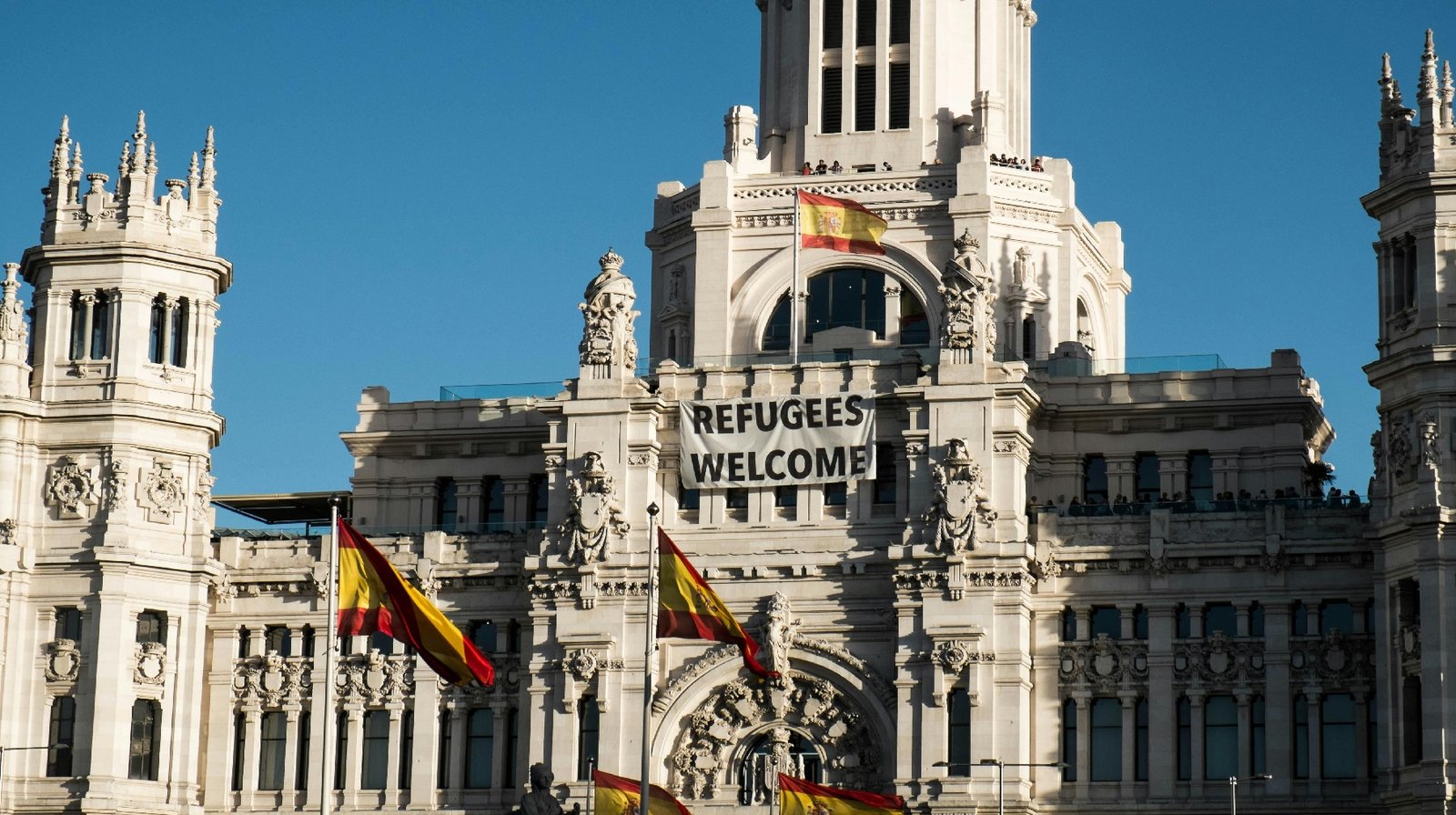
In recent years, the topic of refugees and the Schengen Zone has been a focal point of discussions in the news and public discourse. Unfortunately, misinformation and misconceptions often cloud the true picture of these complex issues. In this post, we aim to debunk common myths and shed light on the truths behind refugees and the Schengen Zone. Myth: Refugees are a burden on the countries in the Schengen Zone. Truth: While it is true that hosting refugees comes with logistical and financial challenges, refugees also bring economic benefits to their host countries. Many refugees are skilled individuals who can contribute to the workforce and fill gaps in industries facing labor shortages. Additionally, refugees can revitalize aging populations and stimulate local economies through consumption and entrepreneurship. Myth: Refugees pose a security threat to the Schengen Zone. Truth: The vast majority of refugees are ordinary people fleeing conflict and persecution in search of safety and a better life. While it is important to have security measures in place to screen and vet individuals entering the Schengen Zone, demonizing refugees as security threats is unjust and unfounded. In fact, refugees undergo strict vetting processes before being granted asylum, and instances of refugees engaging in criminal activities are rare. Myth: The Schengen Zone is an open border policy that allows unchecked immigration. Truth: The Schengen Zone is a passport-free travel area that facilitates the movement of people within participating European countries. However, this does not mean that the borders are completely open or that immigration is unchecked. Member states still have the authority to conduct border checks and enforce immigration laws to ensure the security and integrity of the Schengen Zone. Myth: News coverage accurately represents the realities of refugees and the Schengen Zone. Truth: The sensationalized and often biased news coverage of refugees and the Schengen Zone can distort public perception and perpetuate negative stereotypes. It is important to seek out diverse sources of information, fact-check news stories, and critically analyze media narratives to get a more nuanced understanding of these complex issues. In conclusion, it is crucial to separate fact from fiction when discussing refugees and the Schengen Zone. By dispelling myths and focusing on the truth, we can foster a more informed and empathetic conversation about these important topics. Together, we can work towards creating a more inclusive and compassionate society for refugees and a stronger, more united Schengen Zone.
Leave a Comment:
SEARCH
Recent News
- Switzerland is widely known for its breathtaking landscapes, high standard of living, and efficient public transportation system. Zurich, the largest city in Switzerland, perfectly embodies these characteristics and offers visitors a unique blend of culture, history, and natural beauty. In this Tunisian travel guide to Zurich, we will explore some of the must-visit attractions, delicious cuisine to try, and practical tips for making the most of your trip.
- Zurich, Switzerland is a vibrant city known for its picturesque landscapes, rich history, and diverse cultural scene. One fascinating aspect of Zurich's cultural tapestry is the influence of Sudanese culture in the city.
- Are you looking for information on travel discounts for seniors in Zurich, Switzerland? One of the perks of growing older is often the access to special deals and discounts, making travel more affordable for those in their golden years. Zurich, the vibrant and picturesque city located in Switzerland, is no exception when it comes to offering discounted rates for senior travelers.
- Zurich, Switzerland, is renowned for its picturesque landscapes, vibrant culture, and thriving economy. However, thousands of kilometers away in Russia, agriculture plays a crucial role in the country's economy and food production.
- When looking at two diverse but equally fascinating destinations such as Zurich, Switzerland, and the rich culture of Quebec in Canada, it’s hard not to be captivated by the unique charm and beauty each has to offer.
- Zurich, Switzerland and Oslo, Norway are two European cities known for their stunning beauty, vibrant cultures, and high quality of life. Both cities offer a mix of modern amenities and historic charm, making them popular destinations for travelers looking to immerse themselves in European culture.
- Exploring Zurich: A Taste of Latin America in Switzerland
- Zurich, Switzerland and Johannesburg, South Africa are two dynamic cities that offer a unique blend of culture, history, and modernity. Despite being located in different corners of the globe, both cities have their own charm and attractions that make them worth visiting.
READ MORE
7 months ago Category :

Switzerland is widely known for its breathtaking landscapes, high standard of living, and efficient public transportation system. Zurich, the largest city in Switzerland, perfectly embodies these characteristics and offers visitors a unique blend of culture, history, and natural beauty. In this Tunisian travel guide to Zurich, we will explore some of the must-visit attractions, delicious cuisine to try, and practical tips for making the most of your trip.
Read More →7 months ago Category :

Zurich, Switzerland is a vibrant city known for its picturesque landscapes, rich history, and diverse cultural scene. One fascinating aspect of Zurich's cultural tapestry is the influence of Sudanese culture in the city.
Read More →7 months ago Category :

Are you looking for information on travel discounts for seniors in Zurich, Switzerland? One of the perks of growing older is often the access to special deals and discounts, making travel more affordable for those in their golden years. Zurich, the vibrant and picturesque city located in Switzerland, is no exception when it comes to offering discounted rates for senior travelers.
Read More →7 months ago Category :
