Navigating Contradictions: The Complexity of Self-Study Among Refugees
Category : | Sub Category : Posted on 2024-10-05 22:25:23
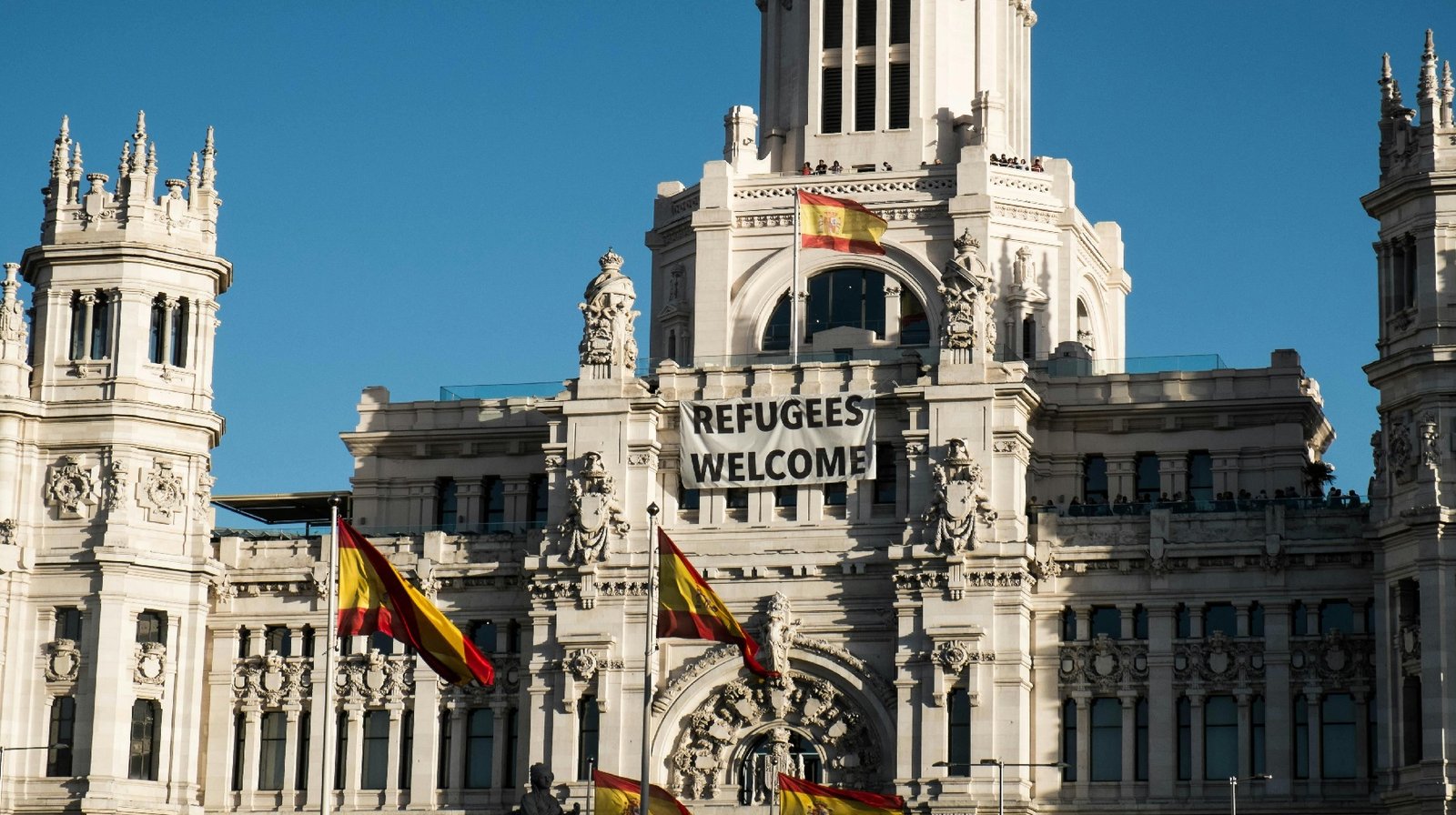
In the midst of displacement, uncertainty, and adapting to a new home, refugees often find themselves facing a unique set of challenges when it comes to self-study. The act of self-study, which involves independent learning and personal development, is fraught with contradictions in the context of being a refugee. Let's explore some of these contradictions and how refugees navigate them in their pursuit of knowledge and growth. One of the primary contradictions that refugees face in self-study is the tension between the desire for education and the lack of resources or opportunities to pursue it. Many refugees are highly motivated to continue their education or further their skills, but systemic barriers such as limited access to formal education, financial constraints, and language barriers often impede their progress. This creates a paradox where the drive to learn clashes with the harsh realities of their circumstances. Moreover, the concept of self-study itself can be at odds with the collectivist nature of many refugee communities. In some cultures, individual pursuits of knowledge may be viewed as selfish or individualistic, especially when the community as a whole is struggling. This can lead to feelings of guilt or shame for prioritizing personal development over collective well-being, adding another layer of complexity to the refugee experience. Another contradiction arises from the dual roles that many refugees must juggle – that of both learner and provider. Refugees often find themselves balancing the demands of their own education with responsibilities such as caring for family members, working to support themselves, or navigating complex asylum processes. This constant juggling act can make it challenging to dedicate time and energy to self-study, creating a sense of internal conflict and competing priorities. Despite these contradictions, many refugees demonstrate remarkable resilience and creativity in overcoming these challenges. Some find alternative ways to pursue self-study, such as participating in community-based learning initiatives, accessing online resources, or forming study groups with fellow refugees. By leveraging their resourcefulness and determination, refugees are able to carve out space for personal growth and learning amidst adversity. In conclusion, the contradictions inherent in self-study among refugees highlight the complexities of the refugee experience and the resilience of individuals in the face of adversity. Navigating these contradictions requires a delicate balance of determination, creativity, and community support. By shedding light on these challenges, we can better understand the diverse ways in which refugees engage in self-study and the importance of creating inclusive educational opportunities for all individuals, regardless of their background or circumstances.
Leave a Comment:
SEARCH
Recent News
- Switzerland is widely known for its breathtaking landscapes, high standard of living, and efficient public transportation system. Zurich, the largest city in Switzerland, perfectly embodies these characteristics and offers visitors a unique blend of culture, history, and natural beauty. In this Tunisian travel guide to Zurich, we will explore some of the must-visit attractions, delicious cuisine to try, and practical tips for making the most of your trip.
- Zurich, Switzerland is a vibrant city known for its picturesque landscapes, rich history, and diverse cultural scene. One fascinating aspect of Zurich's cultural tapestry is the influence of Sudanese culture in the city.
- Are you looking for information on travel discounts for seniors in Zurich, Switzerland? One of the perks of growing older is often the access to special deals and discounts, making travel more affordable for those in their golden years. Zurich, the vibrant and picturesque city located in Switzerland, is no exception when it comes to offering discounted rates for senior travelers.
- Zurich, Switzerland, is renowned for its picturesque landscapes, vibrant culture, and thriving economy. However, thousands of kilometers away in Russia, agriculture plays a crucial role in the country's economy and food production.
- When looking at two diverse but equally fascinating destinations such as Zurich, Switzerland, and the rich culture of Quebec in Canada, it’s hard not to be captivated by the unique charm and beauty each has to offer.
- Zurich, Switzerland and Oslo, Norway are two European cities known for their stunning beauty, vibrant cultures, and high quality of life. Both cities offer a mix of modern amenities and historic charm, making them popular destinations for travelers looking to immerse themselves in European culture.
- Exploring Zurich: A Taste of Latin America in Switzerland
- Zurich, Switzerland and Johannesburg, South Africa are two dynamic cities that offer a unique blend of culture, history, and modernity. Despite being located in different corners of the globe, both cities have their own charm and attractions that make them worth visiting.
READ MORE
7 months ago Category :

Switzerland is widely known for its breathtaking landscapes, high standard of living, and efficient public transportation system. Zurich, the largest city in Switzerland, perfectly embodies these characteristics and offers visitors a unique blend of culture, history, and natural beauty. In this Tunisian travel guide to Zurich, we will explore some of the must-visit attractions, delicious cuisine to try, and practical tips for making the most of your trip.
Read More →7 months ago Category :

Zurich, Switzerland is a vibrant city known for its picturesque landscapes, rich history, and diverse cultural scene. One fascinating aspect of Zurich's cultural tapestry is the influence of Sudanese culture in the city.
Read More →7 months ago Category :

Are you looking for information on travel discounts for seniors in Zurich, Switzerland? One of the perks of growing older is often the access to special deals and discounts, making travel more affordable for those in their golden years. Zurich, the vibrant and picturesque city located in Switzerland, is no exception when it comes to offering discounted rates for senior travelers.
Read More →7 months ago Category :
