Designing an SMS-Based Communication System for Refugees: Architecture and Best Practices
Category : | Sub Category : Posted on 2024-10-05 22:25:23
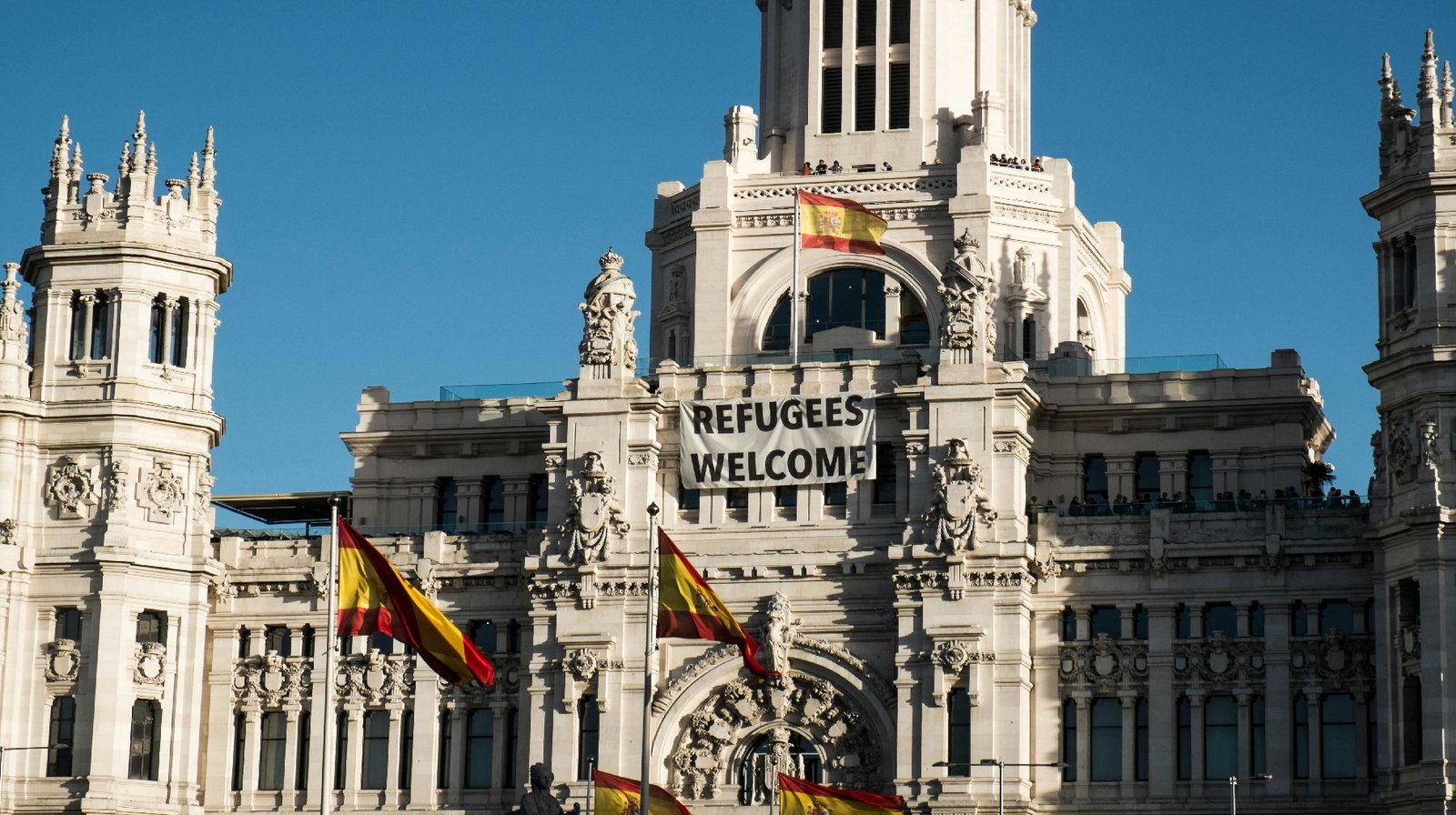
In the modern digital age, technology plays a crucial role in connecting people, providing vital information, and facilitating communication. For refugees and displaced populations, access to reliable communication channels is essential for their safety, well-being, and information exchange. In this blog post, we will explore the architecture and best practices for designing an SMS-based communication system tailored to the needs of refugees. **Challenges Faced by Refugees** Refugees often find themselves in unfamiliar environments, facing language barriers, limited internet access, and unreliable communication networks. In such circumstances, traditional modes of communication like phone calls or internet-based messaging platforms may not be readily accessible. SMS (Short Message Service) emerges as a simple, cost-effective, and widely available tool that can reach a broad audience, including those with basic mobile phones. **Architecture of SMS-Based Communication System** 1. **SMS Gateway:** The backbone of the system is the SMS gateway, which acts as a bridge between the application and the mobile network operators (MNOs). It facilitates the sending and receiving of text messages, ensuring seamless communication flow. 2. **Database:** A centralized database stores subscriber information, message templates, and communication logs. It helps in managing user data, message scheduling, and tracking communication history. 3. **User Interface:** A user-friendly interface allows refugees to interact with the system, subscribe to services, send inquiries, and receive automated responses. The interface should be simple, multilingual, and accessible via SMS or USSD (Unstructured Supplementary Service Data). 4. **Integration with External Platforms:** To enrich the user experience, integration with external platforms like emergency response systems, weather alerts, and government services can provide valuable information to refugees in real-time. **Best Practices for Designing the System** 1. **Multilingual Support:** Given the diverse linguistic backgrounds of refugees, the system should support multiple languages to ensure inclusivity and effective communication. 2. **Opt-In Mechanism:** Implementing an opt-in mechanism ensures that refugees have control over the information they receive. Clear opt-out instructions should also be provided. 3. **Privacy and Security:** Safeguarding user data and ensuring secure transactions are paramount. Encryption protocols and data protection measures should be integrated into the system. 4. **Timely and Relevant Information:** Delivering timely updates on essential services, health alerts, legal rights, and community events can empower refugees and enhance their resilience. 5. **Feedback Mechanism:** Incorporating a feedback loop allows refugees to share their experiences, suggestions, or complaints, enabling continuous improvement of the communication system. **Conclusion** In the context of refugees and displaced populations, an SMS-based communication system offers a practical and efficient way to bridge communication gaps, disseminate critical information, and support community engagement. By adhering to the architectural principles and best practices outlined in this blog post, organizations and service providers can design a robust and user-centric communication platform that meets the unique needs of refugees. This not only enhances their access to vital services but also strengthens their sense of connection and empowerment in challenging circumstances.
Leave a Comment:
SEARCH
Recent News
- Switzerland is widely known for its breathtaking landscapes, high standard of living, and efficient public transportation system. Zurich, the largest city in Switzerland, perfectly embodies these characteristics and offers visitors a unique blend of culture, history, and natural beauty. In this Tunisian travel guide to Zurich, we will explore some of the must-visit attractions, delicious cuisine to try, and practical tips for making the most of your trip.
- Zurich, Switzerland is a vibrant city known for its picturesque landscapes, rich history, and diverse cultural scene. One fascinating aspect of Zurich's cultural tapestry is the influence of Sudanese culture in the city.
- Are you looking for information on travel discounts for seniors in Zurich, Switzerland? One of the perks of growing older is often the access to special deals and discounts, making travel more affordable for those in their golden years. Zurich, the vibrant and picturesque city located in Switzerland, is no exception when it comes to offering discounted rates for senior travelers.
- Zurich, Switzerland, is renowned for its picturesque landscapes, vibrant culture, and thriving economy. However, thousands of kilometers away in Russia, agriculture plays a crucial role in the country's economy and food production.
- When looking at two diverse but equally fascinating destinations such as Zurich, Switzerland, and the rich culture of Quebec in Canada, it’s hard not to be captivated by the unique charm and beauty each has to offer.
- Zurich, Switzerland and Oslo, Norway are two European cities known for their stunning beauty, vibrant cultures, and high quality of life. Both cities offer a mix of modern amenities and historic charm, making them popular destinations for travelers looking to immerse themselves in European culture.
- Exploring Zurich: A Taste of Latin America in Switzerland
- Zurich, Switzerland and Johannesburg, South Africa are two dynamic cities that offer a unique blend of culture, history, and modernity. Despite being located in different corners of the globe, both cities have their own charm and attractions that make them worth visiting.
READ MORE
7 months ago Category :

Switzerland is widely known for its breathtaking landscapes, high standard of living, and efficient public transportation system. Zurich, the largest city in Switzerland, perfectly embodies these characteristics and offers visitors a unique blend of culture, history, and natural beauty. In this Tunisian travel guide to Zurich, we will explore some of the must-visit attractions, delicious cuisine to try, and practical tips for making the most of your trip.
Read More →7 months ago Category :

Zurich, Switzerland is a vibrant city known for its picturesque landscapes, rich history, and diverse cultural scene. One fascinating aspect of Zurich's cultural tapestry is the influence of Sudanese culture in the city.
Read More →7 months ago Category :

Are you looking for information on travel discounts for seniors in Zurich, Switzerland? One of the perks of growing older is often the access to special deals and discounts, making travel more affordable for those in their golden years. Zurich, the vibrant and picturesque city located in Switzerland, is no exception when it comes to offering discounted rates for senior travelers.
Read More →7 months ago Category :
