Understanding Refugee Employment Statistics in the Job Market
Category : | Sub Category : Posted on 2024-10-05 22:25:23
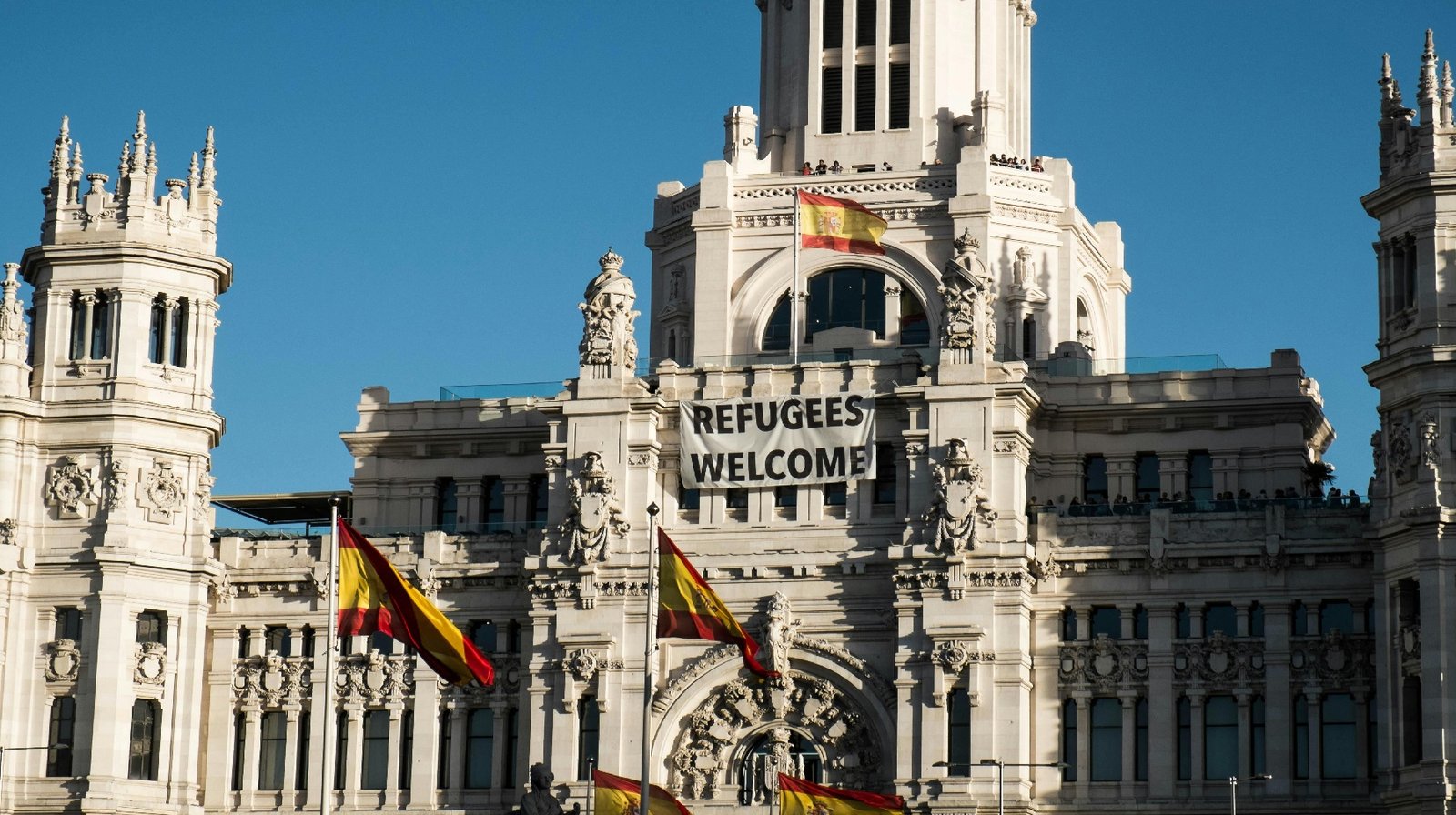
In recent years, the topic of refugee employment statistics in the job market has become increasingly prominent, shedding light on the challenges and successes that refugees face when seeking employment in their host countries. This blog post examines the current trends and statistics surrounding refugee employment, highlighting the importance of understanding and supporting refugees in their search for meaningful and sustainable work opportunities. According to the United Nations Refugee Agency (UNHCR), there were an estimated 26.3 million refugees worldwide at the end of 2020. These individuals have been forced to flee their home countries due to persecution, conflict, or violence, seeking safety and protection in foreign lands. However, upon arrival in a new country, refugees often encounter significant barriers to securing employment, despite their skills, education, and work experience. One of the key challenges facing refugees in the job market is the lack of recognition of their qualifications and credentials. Many refugees hold degrees, certifications, and professional experience from their home countries, but these may not be recognized or valued in their host countries. As a result, refugees may face difficulties in finding work that aligns with their skills and expertise, leading to underemployment and job insecurity. Additionally, language barriers, cultural differences, and discrimination can further hinder refugees' access to job opportunities. Refugees may struggle to communicate effectively in the local language, navigate unfamiliar workplace norms, or overcome bias and stereotypes from employers and colleagues. These challenges contribute to lower employment rates and earnings among refugees compared to non-refugee populations. Despite these obstacles, many refugees demonstrate resilience, determination, and innovation in their pursuit of employment. Organizations and initiatives around the world are working to support refugees in entering the job market, providing language classes, skills training, mentorship, and networking opportunities. Governments, businesses, and communities are recognizing the untapped potential of refugee talent and the benefits of diversity and inclusion in the workforce. According to a report by the Tent Partnership for Refugees, refugees can contribute positively to the economy and society when given the opportunity to work and thrive. Refugee entrepreneurs launch businesses, create jobs, and stimulate local economies. Refugee employees bring unique perspectives, skills, and experiences to their workplaces, fostering creativity, collaboration, and innovation. As global efforts continue to address the refugee employment challenge, it is essential for policymakers, employers, and individuals to prioritize inclusive and supportive practices that enable refugees to succeed in the job market. By recognizing and valuing the talents and contributions of refugees, we can create more diverse, equitable, and resilient societies for all. In conclusion, refugee employment statistics in the job market reflect both the barriers and the potential for refugees to achieve economic independence and social integration. By understanding the complexities of refugee employment and supporting initiatives that empower refugees, we can build a more inclusive and prosperous future for all members of our global community. Want to learn more? Start with: https://www.chiffres.org Looking for expert opinions? Find them in https://www.computacion.org
https://continuar.org
Leave a Comment:
SEARCH
Recent News
- Switzerland is widely known for its breathtaking landscapes, high standard of living, and efficient public transportation system. Zurich, the largest city in Switzerland, perfectly embodies these characteristics and offers visitors a unique blend of culture, history, and natural beauty. In this Tunisian travel guide to Zurich, we will explore some of the must-visit attractions, delicious cuisine to try, and practical tips for making the most of your trip.
- Zurich, Switzerland is a vibrant city known for its picturesque landscapes, rich history, and diverse cultural scene. One fascinating aspect of Zurich's cultural tapestry is the influence of Sudanese culture in the city.
- Are you looking for information on travel discounts for seniors in Zurich, Switzerland? One of the perks of growing older is often the access to special deals and discounts, making travel more affordable for those in their golden years. Zurich, the vibrant and picturesque city located in Switzerland, is no exception when it comes to offering discounted rates for senior travelers.
- Zurich, Switzerland, is renowned for its picturesque landscapes, vibrant culture, and thriving economy. However, thousands of kilometers away in Russia, agriculture plays a crucial role in the country's economy and food production.
- When looking at two diverse but equally fascinating destinations such as Zurich, Switzerland, and the rich culture of Quebec in Canada, it’s hard not to be captivated by the unique charm and beauty each has to offer.
- Zurich, Switzerland and Oslo, Norway are two European cities known for their stunning beauty, vibrant cultures, and high quality of life. Both cities offer a mix of modern amenities and historic charm, making them popular destinations for travelers looking to immerse themselves in European culture.
- Exploring Zurich: A Taste of Latin America in Switzerland
- Zurich, Switzerland and Johannesburg, South Africa are two dynamic cities that offer a unique blend of culture, history, and modernity. Despite being located in different corners of the globe, both cities have their own charm and attractions that make them worth visiting.
READ MORE
7 months ago Category :

Switzerland is widely known for its breathtaking landscapes, high standard of living, and efficient public transportation system. Zurich, the largest city in Switzerland, perfectly embodies these characteristics and offers visitors a unique blend of culture, history, and natural beauty. In this Tunisian travel guide to Zurich, we will explore some of the must-visit attractions, delicious cuisine to try, and practical tips for making the most of your trip.
Read More →7 months ago Category :

Zurich, Switzerland is a vibrant city known for its picturesque landscapes, rich history, and diverse cultural scene. One fascinating aspect of Zurich's cultural tapestry is the influence of Sudanese culture in the city.
Read More →7 months ago Category :

Are you looking for information on travel discounts for seniors in Zurich, Switzerland? One of the perks of growing older is often the access to special deals and discounts, making travel more affordable for those in their golden years. Zurich, the vibrant and picturesque city located in Switzerland, is no exception when it comes to offering discounted rates for senior travelers.
Read More →7 months ago Category :
