Navigating the Contradictions: The Complexities of Refugee Policy in Sweden
Category : | Sub Category : Posted on 2024-10-05 22:25:23
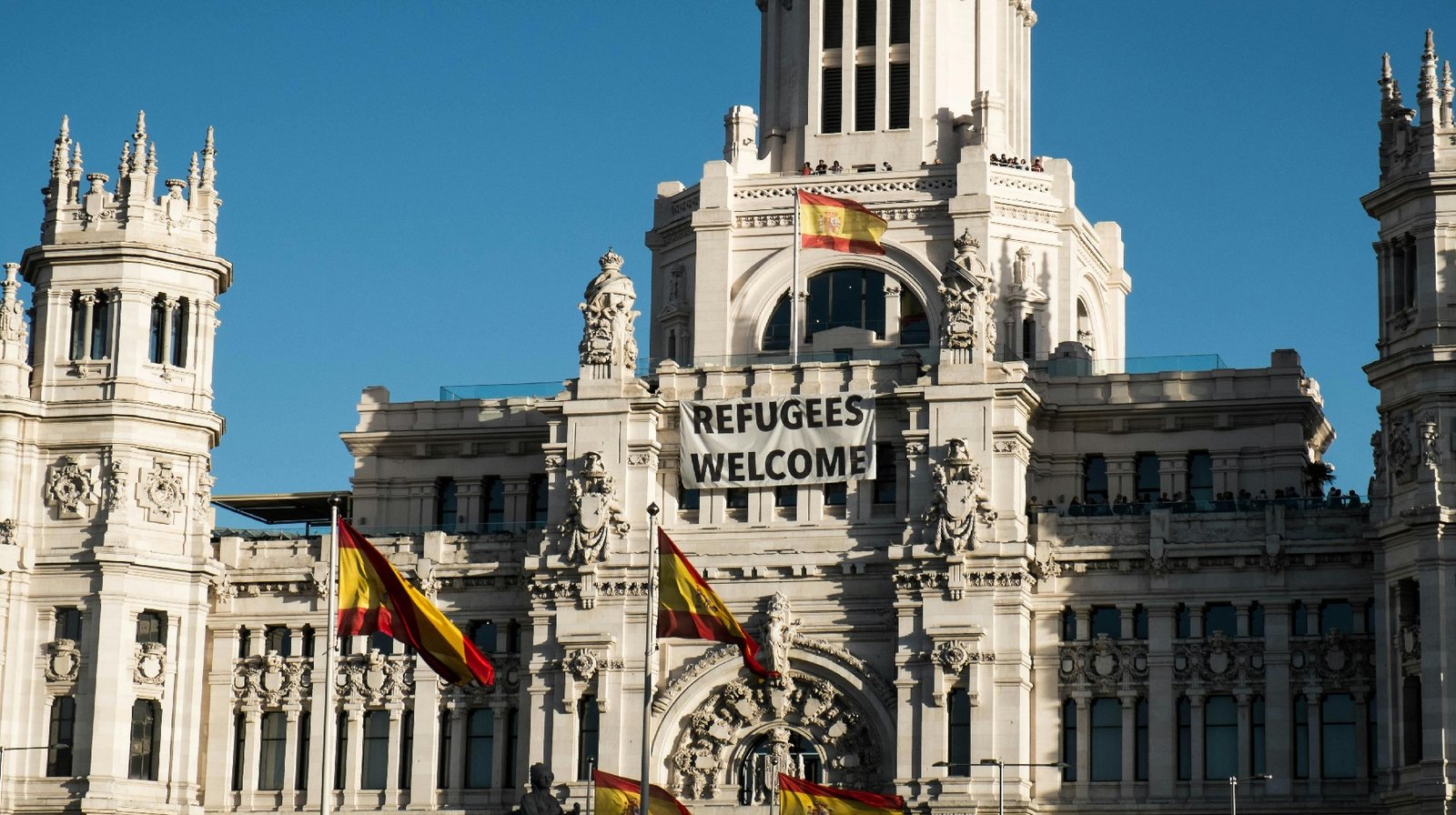
In recent years, Sweden has been grappling with the challenges and contradictions surrounding its approach to welcoming refugees. Known for its compassionate refugee policy and commitment to human rights, Sweden has indeed provided a safe haven for many individuals fleeing conflict and persecution. However, beneath the surface lies a web of complexities and contradictions that shape the country's stance on refugee issues. One of the key contradictions in Sweden's refugee policy is the tension between the country's humanitarian values and the practical challenges of accommodating a large number of refugees. While Sweden has a long history of accepting refugees and providing them with essential support, the increasing number of arrivals in recent years has put a strain on the country's resources and infrastructure. This has led to debates about the sustainability of Sweden's open-door policy and the need to balance humanitarian concerns with practical considerations. Additionally, there is a contradiction between Sweden's image as a progressive and compassionate nation and the rise of anti-immigrant sentiment within the country. Like many other European nations, Sweden has faced a backlash against refugees and immigrants, with far-right parties gaining traction and increasing anti-refugee rhetoric in public discourse. This contradiction highlights the tensions between Sweden's self-perception as a welcoming and inclusive society and the reality of growing xenophobia and discrimination. Another contradiction lies in Sweden's treatment of refugees within its borders. While Sweden has a reputation for providing generous support to refugees, there have been concerns about the quality of housing, healthcare, and education available to asylum seekers. Instances of overcrowded refugee centers, long waiting times for processing asylum applications, and limited access to healthcare have raised questions about the adequacy of Sweden's support systems for refugees. To navigate these contradictions and uphold its humanitarian values, Sweden faces the challenge of balancing the need to protect refugees with the pressure to manage the practical implications of large-scale migration. This requires a comprehensive approach that addresses both the immediate needs of refugees and the broader social, economic, and political factors that influence Sweden's refugee policy. Despite the complexities and contradictions surrounding its refugee policy, Sweden remains committed to providing protection and assistance to those in need. By acknowledging and addressing these challenges, Sweden can continue to uphold its legacy as a humanitarian leader while also adapting to the changing realities of refugee flows and integration. Only by confronting these contradictions head-on can Sweden strive towards a more sustainable and equitable refugee policy that reflects its values and principles.
Leave a Comment:
SEARCH
Recent News
- Switzerland is widely known for its breathtaking landscapes, high standard of living, and efficient public transportation system. Zurich, the largest city in Switzerland, perfectly embodies these characteristics and offers visitors a unique blend of culture, history, and natural beauty. In this Tunisian travel guide to Zurich, we will explore some of the must-visit attractions, delicious cuisine to try, and practical tips for making the most of your trip.
- Zurich, Switzerland is a vibrant city known for its picturesque landscapes, rich history, and diverse cultural scene. One fascinating aspect of Zurich's cultural tapestry is the influence of Sudanese culture in the city.
- Are you looking for information on travel discounts for seniors in Zurich, Switzerland? One of the perks of growing older is often the access to special deals and discounts, making travel more affordable for those in their golden years. Zurich, the vibrant and picturesque city located in Switzerland, is no exception when it comes to offering discounted rates for senior travelers.
- Zurich, Switzerland, is renowned for its picturesque landscapes, vibrant culture, and thriving economy. However, thousands of kilometers away in Russia, agriculture plays a crucial role in the country's economy and food production.
- When looking at two diverse but equally fascinating destinations such as Zurich, Switzerland, and the rich culture of Quebec in Canada, it’s hard not to be captivated by the unique charm and beauty each has to offer.
- Zurich, Switzerland and Oslo, Norway are two European cities known for their stunning beauty, vibrant cultures, and high quality of life. Both cities offer a mix of modern amenities and historic charm, making them popular destinations for travelers looking to immerse themselves in European culture.
- Exploring Zurich: A Taste of Latin America in Switzerland
- Zurich, Switzerland and Johannesburg, South Africa are two dynamic cities that offer a unique blend of culture, history, and modernity. Despite being located in different corners of the globe, both cities have their own charm and attractions that make them worth visiting.
READ MORE
7 months ago Category :

Switzerland is widely known for its breathtaking landscapes, high standard of living, and efficient public transportation system. Zurich, the largest city in Switzerland, perfectly embodies these characteristics and offers visitors a unique blend of culture, history, and natural beauty. In this Tunisian travel guide to Zurich, we will explore some of the must-visit attractions, delicious cuisine to try, and practical tips for making the most of your trip.
Read More →7 months ago Category :

Zurich, Switzerland is a vibrant city known for its picturesque landscapes, rich history, and diverse cultural scene. One fascinating aspect of Zurich's cultural tapestry is the influence of Sudanese culture in the city.
Read More →7 months ago Category :

Are you looking for information on travel discounts for seniors in Zurich, Switzerland? One of the perks of growing older is often the access to special deals and discounts, making travel more affordable for those in their golden years. Zurich, the vibrant and picturesque city located in Switzerland, is no exception when it comes to offering discounted rates for senior travelers.
Read More →7 months ago Category :
