Tips and Tricks for Refugee Record Keeping
Category : | Sub Category : Posted on 2024-10-05 22:25:23
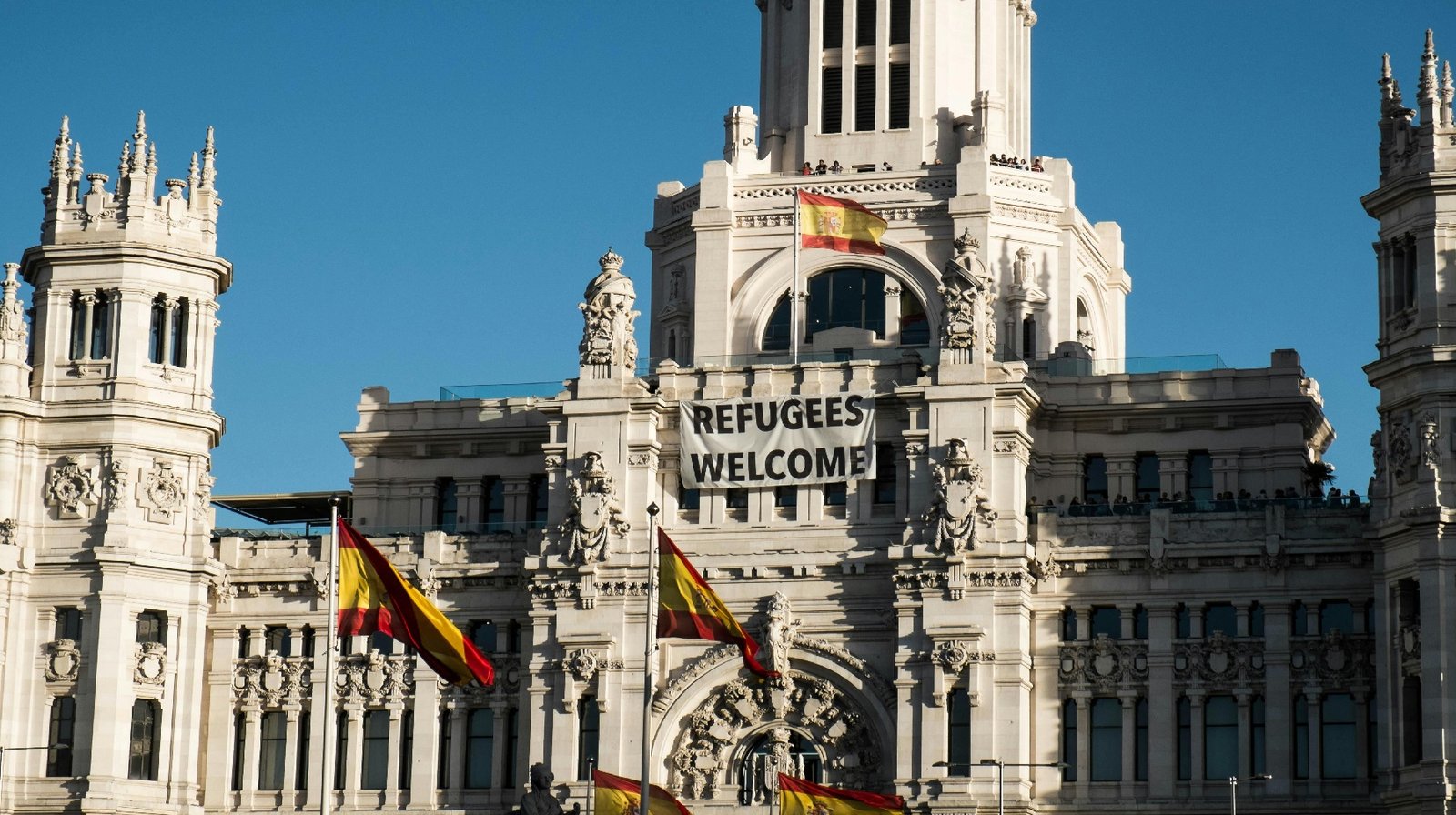
Introduction: In times of crisis and displacement, proper Record-keeping is essential for refugees to navigate their new lives in a foreign country. Keeping track of important documents and information can help refugees access services, apply for asylum, reunite with family members, and rebuild their lives. Here are some tips and tricks for refugees on how to effectively keep and organize their important records. 1. Create a Basic Record-Keeping System: Start by creating a basic record-keeping system that works for you. This could be a physical binder, folder, or file box, or a digital system such as a cloud-based storage service or mobile app. Organize your documents by categories such as identification, legal papers, educational records, medical records, employment history, and important contacts. 2. Make Copies of Important Documents: Make multiple copies of all your important documents such as passport, birth certificate, marriage certificate, academic transcripts, and other identification papers. Keep the original documents in a safe place and store the copies separately. You can also store digital copies of your documents on a USB drive or in the cloud for easy access. 3. Keep a Record of Important Dates and Events: Keep a calendar or diary to record important dates and events such as appointments with immigration authorities, court dates, deadlines for applications, and meetings with service providers. This will help you stay organized and prevent you from missing important deadlines. 4. Stay Informed About Your Rights and Entitlements: Keep a record of your legal rights and entitlements as a refugee in your host country. This could include information about your right to work, access healthcare and education, and seek asylum. Stay informed about changes in immigration policies and regulations that may affect your status and rights. 5. Seek Help from Support Organizations: Reach out to local support organizations, refugee agencies, community centers, and legal aid services for assistance with record-keeping and navigating the refugee system. These organizations can help you understand your rights, fill out forms, and provide guidance on keeping and organizing your records. 6. Secure Your Personal Information: Be cautious about sharing sensitive personal information and be mindful of data security. Protect your documents and digital records by using secure passwords, encryption tools, and secure storage solutions. Avoid sharing personal information on social media and only provide sensitive information to trusted individuals and organizations. Conclusion: Effective record-keeping is crucial for refugees to access services, protect their rights, and rebuild their lives in a new country. By following these tips and tricks for refugee record-keeping, you can empower yourself to navigate the challenges of displacement and secure a better future for yourself and your family. Remember that staying organized and informed is key to overcoming obstacles and achieving your goals as a refugee.
Leave a Comment:
SEARCH
Recent News
- Switzerland is widely known for its breathtaking landscapes, high standard of living, and efficient public transportation system. Zurich, the largest city in Switzerland, perfectly embodies these characteristics and offers visitors a unique blend of culture, history, and natural beauty. In this Tunisian travel guide to Zurich, we will explore some of the must-visit attractions, delicious cuisine to try, and practical tips for making the most of your trip.
- Zurich, Switzerland is a vibrant city known for its picturesque landscapes, rich history, and diverse cultural scene. One fascinating aspect of Zurich's cultural tapestry is the influence of Sudanese culture in the city.
- Are you looking for information on travel discounts for seniors in Zurich, Switzerland? One of the perks of growing older is often the access to special deals and discounts, making travel more affordable for those in their golden years. Zurich, the vibrant and picturesque city located in Switzerland, is no exception when it comes to offering discounted rates for senior travelers.
- Zurich, Switzerland, is renowned for its picturesque landscapes, vibrant culture, and thriving economy. However, thousands of kilometers away in Russia, agriculture plays a crucial role in the country's economy and food production.
- When looking at two diverse but equally fascinating destinations such as Zurich, Switzerland, and the rich culture of Quebec in Canada, it’s hard not to be captivated by the unique charm and beauty each has to offer.
- Zurich, Switzerland and Oslo, Norway are two European cities known for their stunning beauty, vibrant cultures, and high quality of life. Both cities offer a mix of modern amenities and historic charm, making them popular destinations for travelers looking to immerse themselves in European culture.
- Exploring Zurich: A Taste of Latin America in Switzerland
- Zurich, Switzerland and Johannesburg, South Africa are two dynamic cities that offer a unique blend of culture, history, and modernity. Despite being located in different corners of the globe, both cities have their own charm and attractions that make them worth visiting.
READ MORE
8 months ago Category :

Switzerland is widely known for its breathtaking landscapes, high standard of living, and efficient public transportation system. Zurich, the largest city in Switzerland, perfectly embodies these characteristics and offers visitors a unique blend of culture, history, and natural beauty. In this Tunisian travel guide to Zurich, we will explore some of the must-visit attractions, delicious cuisine to try, and practical tips for making the most of your trip.
Read More →8 months ago Category :

Zurich, Switzerland is a vibrant city known for its picturesque landscapes, rich history, and diverse cultural scene. One fascinating aspect of Zurich's cultural tapestry is the influence of Sudanese culture in the city.
Read More →8 months ago Category :

Are you looking for information on travel discounts for seniors in Zurich, Switzerland? One of the perks of growing older is often the access to special deals and discounts, making travel more affordable for those in their golden years. Zurich, the vibrant and picturesque city located in Switzerland, is no exception when it comes to offering discounted rates for senior travelers.
Read More →8 months ago Category :
