The Financial Burden of Refugee Travel: Understanding Debt and Loans
Category : | Sub Category : Posted on 2024-10-05 22:25:23
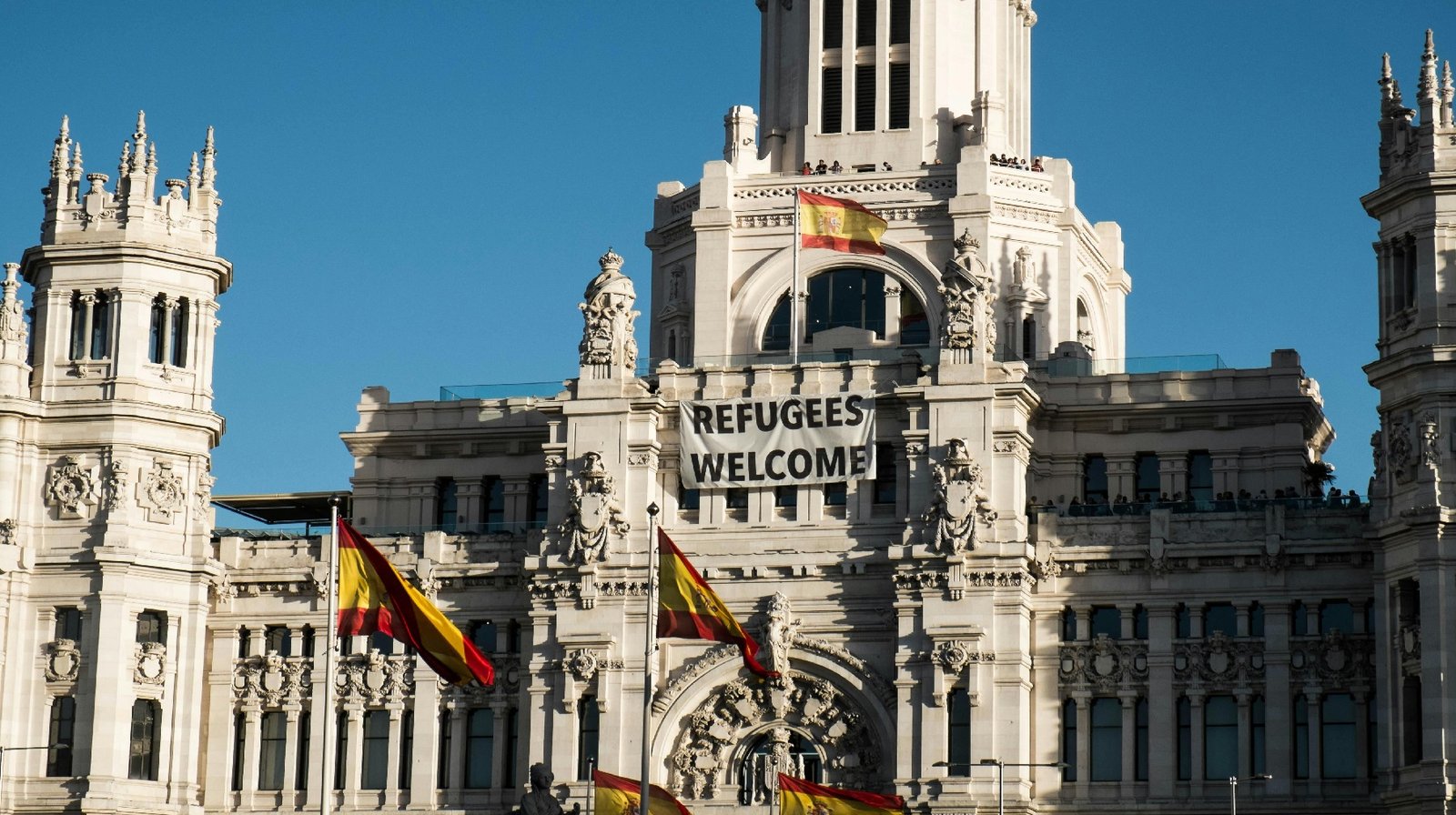
The journey of a refugee is often marked by hardship, danger, and loss. Fleeing their homes due to persecution, violence, or natural disasters, refugees embark on a perilous journey in search of safety and a better future. One aspect of this journey that is often overlooked is the financial burden that refugees face, including the accumulation of debt and the need for loans to fund their travel expenses. Refugees' travels are rarely planned or budgeted for in advance. Many flee their homes with nothing but the clothes on their backs, leaving behind their possessions, savings, and sometimes even their families. As they make their way to safety, refugees encounter numerous unexpected expenses, including transportation costs, smuggler fees, bribes, and emergency accommodation. In order to cover these expenses, many refugees are forced to take on debt. They may borrow money from family members, friends, or even strangers, often at exorbitant interest rates. Some refugees turn to informal lenders or loan sharks, who exploit their vulnerable situation by charging high fees and engaging in predatory lending practices. For those who are unable to borrow money from their social network or access formal financial institutions, microfinance organizations and non-governmental organizations (NGOs) may offer loans to refugees. While these loans can provide much-needed financial support, they also come with risks, including high interest rates, stringent repayment terms, and the potential for debt traps. The issue of refugee travel debt is further exacerbated by the fact that many refugees are unable to legally work in their host countries. Without a steady source of income, repaying loans becomes a daunting challenge for many refugees. As a result, they may become trapped in a cycle of debt, struggling to make ends meet and unable to secure a stable future for themselves and their families. Addressing the financial challenges faced by refugees requires a multi-faceted approach. Governments, international organizations, and NGOs must work together to provide refugees with access to safe and affordable financial services, including low-interest loans, financial literacy training, and support in finding sustainable livelihood opportunities. In addition to financial support, refugees also need assistance in rebuilding their lives and integrating into their host communities. By empowering refugees to become self-reliant and financially independent, we can help them overcome the burden of travel debt and achieve a brighter and more secure future. In conclusion, the issue of refugee travel debt is a complex and pressing problem that requires urgent attention and action. By understanding the challenges faced by refugees and working together to provide them with the support they need, we can help alleviate their financial burden and pave the way for a more stable and prosperous future for all. For more info https://www.travellersdb.com Want to learn more? Start with: https://www.mimidate.com To see the full details, click on: https://www.cotidiano.org For a fresh perspective, give the following a read https://www.topico.net
Leave a Comment:
SEARCH
Recent News
- Switzerland is widely known for its breathtaking landscapes, high standard of living, and efficient public transportation system. Zurich, the largest city in Switzerland, perfectly embodies these characteristics and offers visitors a unique blend of culture, history, and natural beauty. In this Tunisian travel guide to Zurich, we will explore some of the must-visit attractions, delicious cuisine to try, and practical tips for making the most of your trip.
- Zurich, Switzerland is a vibrant city known for its picturesque landscapes, rich history, and diverse cultural scene. One fascinating aspect of Zurich's cultural tapestry is the influence of Sudanese culture in the city.
- Are you looking for information on travel discounts for seniors in Zurich, Switzerland? One of the perks of growing older is often the access to special deals and discounts, making travel more affordable for those in their golden years. Zurich, the vibrant and picturesque city located in Switzerland, is no exception when it comes to offering discounted rates for senior travelers.
- Zurich, Switzerland, is renowned for its picturesque landscapes, vibrant culture, and thriving economy. However, thousands of kilometers away in Russia, agriculture plays a crucial role in the country's economy and food production.
- When looking at two diverse but equally fascinating destinations such as Zurich, Switzerland, and the rich culture of Quebec in Canada, it’s hard not to be captivated by the unique charm and beauty each has to offer.
- Zurich, Switzerland and Oslo, Norway are two European cities known for their stunning beauty, vibrant cultures, and high quality of life. Both cities offer a mix of modern amenities and historic charm, making them popular destinations for travelers looking to immerse themselves in European culture.
- Exploring Zurich: A Taste of Latin America in Switzerland
- Zurich, Switzerland and Johannesburg, South Africa are two dynamic cities that offer a unique blend of culture, history, and modernity. Despite being located in different corners of the globe, both cities have their own charm and attractions that make them worth visiting.
READ MORE
8 months ago Category :

Switzerland is widely known for its breathtaking landscapes, high standard of living, and efficient public transportation system. Zurich, the largest city in Switzerland, perfectly embodies these characteristics and offers visitors a unique blend of culture, history, and natural beauty. In this Tunisian travel guide to Zurich, we will explore some of the must-visit attractions, delicious cuisine to try, and practical tips for making the most of your trip.
Read More →8 months ago Category :

Zurich, Switzerland is a vibrant city known for its picturesque landscapes, rich history, and diverse cultural scene. One fascinating aspect of Zurich's cultural tapestry is the influence of Sudanese culture in the city.
Read More →8 months ago Category :

Are you looking for information on travel discounts for seniors in Zurich, Switzerland? One of the perks of growing older is often the access to special deals and discounts, making travel more affordable for those in their golden years. Zurich, the vibrant and picturesque city located in Switzerland, is no exception when it comes to offering discounted rates for senior travelers.
Read More →8 months ago Category :
