Navigating the Legal Landscape: Travel Laws and Regulations for Refugees
Category : | Sub Category : Posted on 2024-10-05 22:25:23
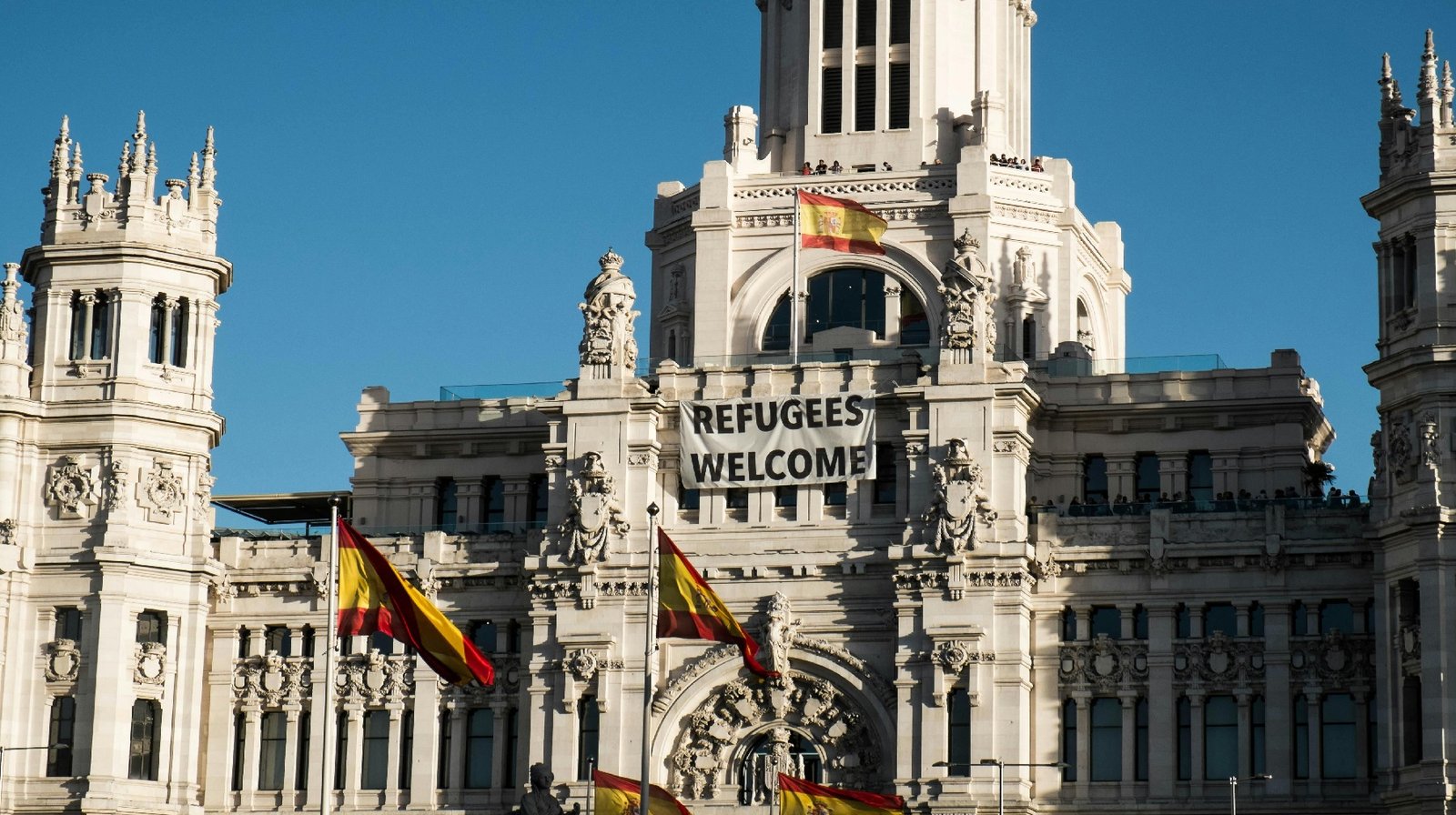
As the global refugee crisis continues to unfold, millions of individuals are forced to flee their homes in search of safety and security in foreign lands. These refugees face numerous challenges and obstacles, including navigating complex travel laws and regulations as they seek refuge in other countries. Understanding the legal landscape surrounding refugee travel is crucial for both refugees and the host countries they are hoping to reach. One of the key issues that refugees encounter when attempting to travel to another country is the requirement for a valid travel document, such as a passport or visa. Many refugees are unable to obtain these documents due to the tumultuous circumstances that forced them to flee their home countries. This lack of proper documentation can prevent refugees from legally crossing borders and seeking asylum in safer regions. In response to this challenge, international laws and conventions have been established to protect the rights of refugees and ensure their access to safe travel. The 1951 Refugee Convention and its 1967 Protocol, for example, outline the rights of refugees to seek asylum in other countries and prohibit host countries from returning refugees to places where their lives or freedoms may be at risk. These legal instruments provide a framework for countries to uphold the rights of refugees and facilitate their safe passage across borders. Despite these international agreements, many refugees still face legal barriers when attempting to travel to safety. Some countries have strict immigration policies that limit the entry of refugees, while others may detain or deport refugees who arrive without proper documentation. These challenges highlight the need for ongoing advocacy and support for refugees to ensure their rights are protected and upheld in accordance with international law. In addition to legal barriers, refugees also face practical challenges when traveling, such as transportation logistics, language barriers, and cultural differences. Non-profit organizations, humanitarian agencies, and grassroots initiatives play a crucial role in providing support and resources to help refugees navigate these challenges and reach their intended destinations safely. Overall, understanding the legal landscape surrounding refugee travel is essential for both refugees and the countries they hope to reach. By upholding international laws and conventions that protect the rights of refugees, we can work towards creating a more inclusive and compassionate world where all individuals are able to seek safety and security, regardless of their country of origin. For a detailed analysis, explore: https://www.mimidate.com to Get more information at https://www.cotidiano.org For a comprehensive review, explore https://www.topico.net
https://vollmacht.org
Leave a Comment:
SEARCH
Recent News
- Switzerland is widely known for its breathtaking landscapes, high standard of living, and efficient public transportation system. Zurich, the largest city in Switzerland, perfectly embodies these characteristics and offers visitors a unique blend of culture, history, and natural beauty. In this Tunisian travel guide to Zurich, we will explore some of the must-visit attractions, delicious cuisine to try, and practical tips for making the most of your trip.
- Zurich, Switzerland is a vibrant city known for its picturesque landscapes, rich history, and diverse cultural scene. One fascinating aspect of Zurich's cultural tapestry is the influence of Sudanese culture in the city.
- Are you looking for information on travel discounts for seniors in Zurich, Switzerland? One of the perks of growing older is often the access to special deals and discounts, making travel more affordable for those in their golden years. Zurich, the vibrant and picturesque city located in Switzerland, is no exception when it comes to offering discounted rates for senior travelers.
- Zurich, Switzerland, is renowned for its picturesque landscapes, vibrant culture, and thriving economy. However, thousands of kilometers away in Russia, agriculture plays a crucial role in the country's economy and food production.
- When looking at two diverse but equally fascinating destinations such as Zurich, Switzerland, and the rich culture of Quebec in Canada, it’s hard not to be captivated by the unique charm and beauty each has to offer.
- Zurich, Switzerland and Oslo, Norway are two European cities known for their stunning beauty, vibrant cultures, and high quality of life. Both cities offer a mix of modern amenities and historic charm, making them popular destinations for travelers looking to immerse themselves in European culture.
- Exploring Zurich: A Taste of Latin America in Switzerland
- Zurich, Switzerland and Johannesburg, South Africa are two dynamic cities that offer a unique blend of culture, history, and modernity. Despite being located in different corners of the globe, both cities have their own charm and attractions that make them worth visiting.
READ MORE
8 months ago Category :

Switzerland is widely known for its breathtaking landscapes, high standard of living, and efficient public transportation system. Zurich, the largest city in Switzerland, perfectly embodies these characteristics and offers visitors a unique blend of culture, history, and natural beauty. In this Tunisian travel guide to Zurich, we will explore some of the must-visit attractions, delicious cuisine to try, and practical tips for making the most of your trip.
Read More →8 months ago Category :

Zurich, Switzerland is a vibrant city known for its picturesque landscapes, rich history, and diverse cultural scene. One fascinating aspect of Zurich's cultural tapestry is the influence of Sudanese culture in the city.
Read More →8 months ago Category :

Are you looking for information on travel discounts for seniors in Zurich, Switzerland? One of the perks of growing older is often the access to special deals and discounts, making travel more affordable for those in their golden years. Zurich, the vibrant and picturesque city located in Switzerland, is no exception when it comes to offering discounted rates for senior travelers.
Read More →8 months ago Category :
