The Importance of Work Skills Development for Refugee Economic Welfare
Category : | Sub Category : Posted on 2024-10-05 22:25:23
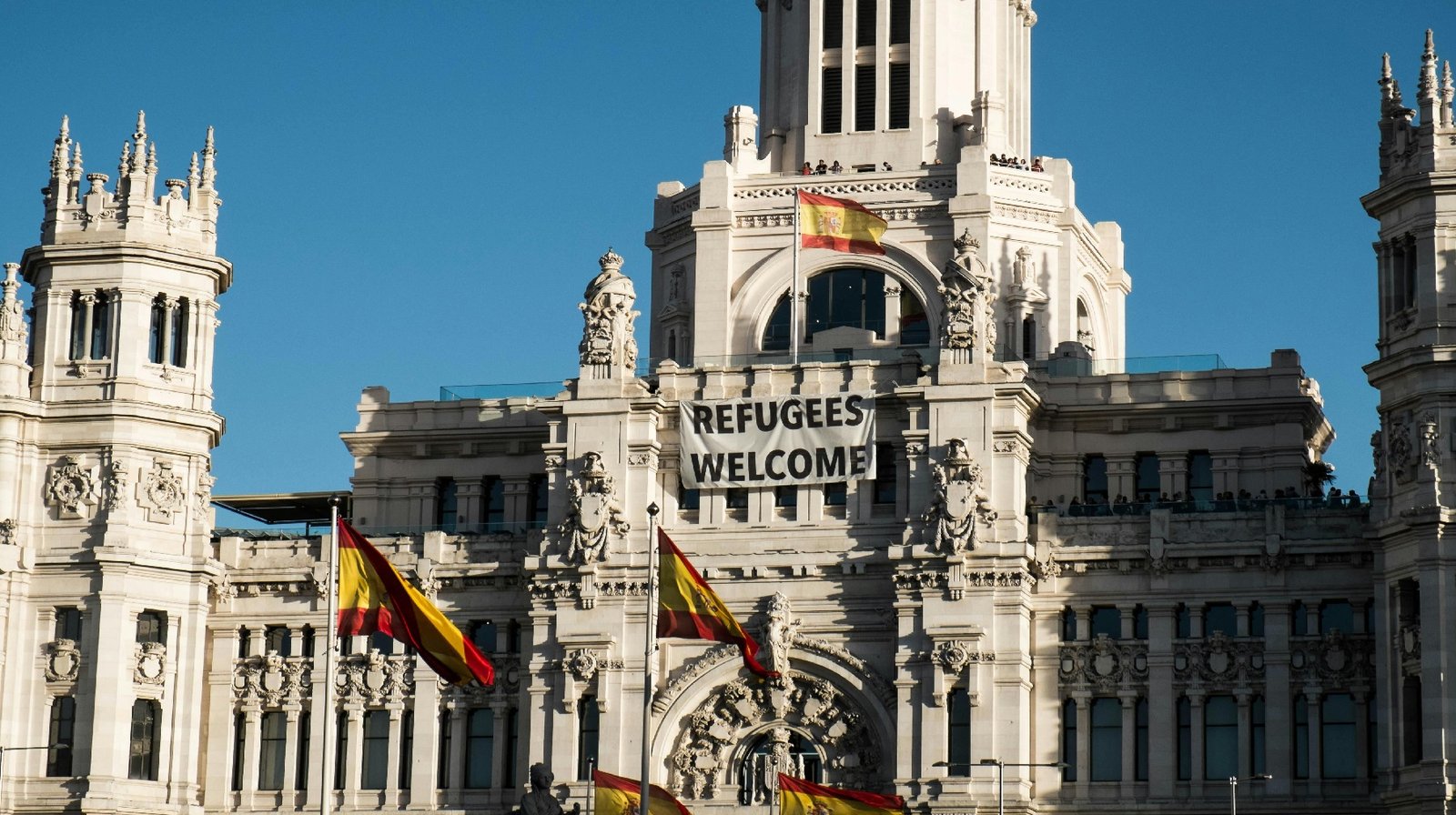
In recent years, the global refugee crisis has reached unprecedented levels, forcing millions of individuals to flee their homes in search of safety and security. Among the many challenges that refugees face, one of the most crucial is accessing employment opportunities to rebuild their lives and secure economic stability. Work skills development plays a key role in enhancing refugee economic welfare and facilitating their integration into host communities. Refugees often come from diverse backgrounds and possess a wide range of skills and experiences. However, many face barriers to employment due to factors such as language barriers, lack of formal qualifications, and unfamiliarity with local job markets. Work skills development programs aim to bridge these gaps by providing refugees with the necessary training and support to enhance their employability. By equipping refugees with relevant skills and knowledge, work skills development programs enable them to access a wider range of employment opportunities and increase their earning potential. These programs can encompass a variety of training initiatives, including language classes, vocational skills training, entrepreneurship courses, and job readiness workshops. Such programs not only empower refugees to secure jobs but also enable them to contribute to the economic growth and development of their host countries. Moreover, work skills development is essential for promoting self-reliance and independence among refugees. By enhancing their skills and capabilities, refugees can reduce their reliance on humanitarian aid and become active contributors to their new communities. Economic self-sufficiency not only benefits individual refugees but also reduces the burden on host countries and promotes social cohesion and integration. In addition to improving economic welfare, work skills development can have broader social and psychological benefits for refugees. By engaging in meaningful employment and skill-building activities, refugees can regain a sense of purpose, dignity, and empowerment. Access to education and training opportunities can also help refugees rebuild their confidence and resilience after the trauma of displacement. Ultimately, investing in work skills development for refugees is not only a humanitarian imperative but also a sound economic strategy. By unlocking the potential of refugees and enabling them to participate in the labor market, host countries can harness a valuable source of talent and creativity that contributes to social and economic prosperity. In conclusion, work skills development plays a vital role in enhancing refugee economic welfare and facilitating their integration into host communities. By providing refugees with the tools and opportunities to build their skills and secure employment, we can empower them to rebuild their lives, contribute to society, and thrive in their new homes. It is essential for governments, organizations, and communities to invest in work skills development initiatives to unlock the potential of refugees and create a more inclusive and prosperous future for all.
https://desencadenar.org
Leave a Comment:
SEARCH
Recent News
- Switzerland is widely known for its breathtaking landscapes, high standard of living, and efficient public transportation system. Zurich, the largest city in Switzerland, perfectly embodies these characteristics and offers visitors a unique blend of culture, history, and natural beauty. In this Tunisian travel guide to Zurich, we will explore some of the must-visit attractions, delicious cuisine to try, and practical tips for making the most of your trip.
- Zurich, Switzerland is a vibrant city known for its picturesque landscapes, rich history, and diverse cultural scene. One fascinating aspect of Zurich's cultural tapestry is the influence of Sudanese culture in the city.
- Are you looking for information on travel discounts for seniors in Zurich, Switzerland? One of the perks of growing older is often the access to special deals and discounts, making travel more affordable for those in their golden years. Zurich, the vibrant and picturesque city located in Switzerland, is no exception when it comes to offering discounted rates for senior travelers.
- Zurich, Switzerland, is renowned for its picturesque landscapes, vibrant culture, and thriving economy. However, thousands of kilometers away in Russia, agriculture plays a crucial role in the country's economy and food production.
- When looking at two diverse but equally fascinating destinations such as Zurich, Switzerland, and the rich culture of Quebec in Canada, it’s hard not to be captivated by the unique charm and beauty each has to offer.
- Zurich, Switzerland and Oslo, Norway are two European cities known for their stunning beauty, vibrant cultures, and high quality of life. Both cities offer a mix of modern amenities and historic charm, making them popular destinations for travelers looking to immerse themselves in European culture.
- Exploring Zurich: A Taste of Latin America in Switzerland
- Zurich, Switzerland and Johannesburg, South Africa are two dynamic cities that offer a unique blend of culture, history, and modernity. Despite being located in different corners of the globe, both cities have their own charm and attractions that make them worth visiting.
READ MORE
8 months ago Category :

Switzerland is widely known for its breathtaking landscapes, high standard of living, and efficient public transportation system. Zurich, the largest city in Switzerland, perfectly embodies these characteristics and offers visitors a unique blend of culture, history, and natural beauty. In this Tunisian travel guide to Zurich, we will explore some of the must-visit attractions, delicious cuisine to try, and practical tips for making the most of your trip.
Read More →8 months ago Category :

Zurich, Switzerland is a vibrant city known for its picturesque landscapes, rich history, and diverse cultural scene. One fascinating aspect of Zurich's cultural tapestry is the influence of Sudanese culture in the city.
Read More →8 months ago Category :

Are you looking for information on travel discounts for seniors in Zurich, Switzerland? One of the perks of growing older is often the access to special deals and discounts, making travel more affordable for those in their golden years. Zurich, the vibrant and picturesque city located in Switzerland, is no exception when it comes to offering discounted rates for senior travelers.
Read More →8 months ago Category :
