Refugees: Definition and Concept Clarification in Statistics and Data Analytics
Category : | Sub Category : Posted on 2024-10-05 22:25:23
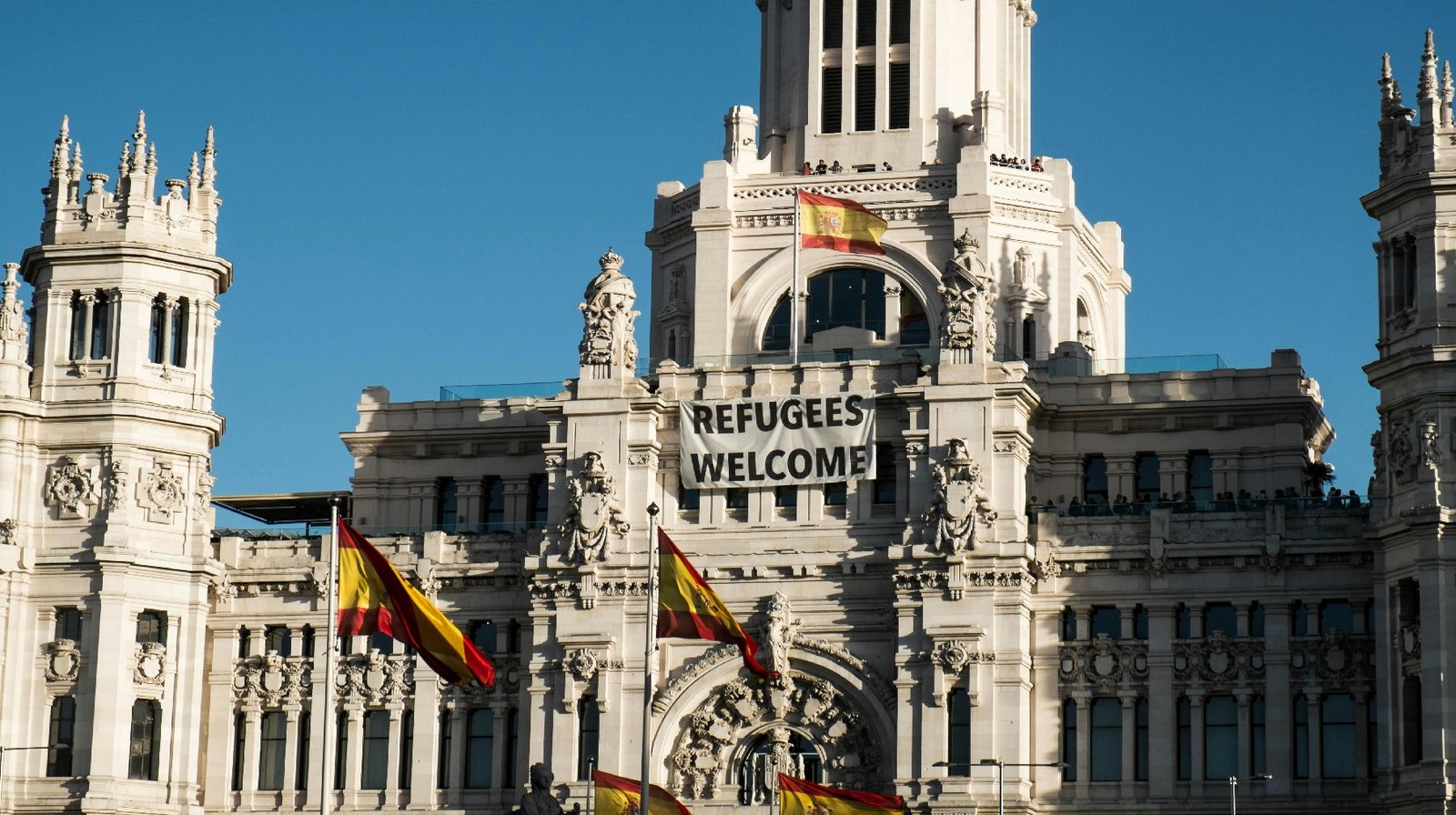
In the realm of Statistics and data analytics, the term "refugees" holds significant importance as it pertains to understanding population movements, displacement, and the impact of conflicts and crises on individuals and communities. Let's delve deeper into the definition and concept of refugees in the context of statistics and data analytics. Definition of Refugees: According to the United Nations High Commissioner for Refugees (UNHCR), a refugee is defined as someone who has been forced to flee his or her country due to persecution, war, or violence. Refugees are unable or unwilling to return to their home country due to a well-founded fear of being persecuted for reasons of race, religion, nationality, membership in a particular social group, or political opinion. Concept Clarification in Statistics and Data Analytics: In the field of statistics and data analytics, understanding refugee movements and trends is essential for policymakers, humanitarian organizations, and researchers to make informed decisions and develop effective interventions. Here are some key aspects of the concept of refugees in statistics and data analytics: 1. Data Collection and Analysis: Collecting and analyzing data on refugee populations is crucial for tracking migration patterns, identifying vulnerabilities, and assessing the needs of displaced individuals and families. statistical techniques help in quantifying the scale of refugee crises, projecting future trends, and evaluating the effectiveness of humanitarian responses. 2. Demographic Profiling: Statistics and data analytics enable researchers to create demographic profiles of refugee populations, including age, gender, ethnicity, education level, employment status, and healthcare needs. By understanding the characteristics of refugees, policymakers can design targeted interventions to address specific challenges and promote social inclusion and economic integration. 3. Spatial Analysis: Geospatial analysis plays a key role in mapping the movements of refugees, identifying migration corridors, and locating refugee camps and settlements. By visualizing data through maps and geographical information systems (GIS), analysts can assess the accessibility of services, the environmental impact of refugee influxes, and the potential for social conflicts in host communities. 4. Predictive Modeling: Predictive modeling techniques allow researchers to forecast future refugee flows based on historical trends, socioeconomic indicators, and conflict dynamics. By using statistical algorithms and machine learning algorithms, analysts can anticipate the demand for shelter, food, water, and healthcare services in advance and allocate resources more efficiently during humanitarian emergencies. 5. Ethical Considerations: In collecting and analyzing data on refugees, privacy, confidentiality, and informed consent are critical ethical considerations. Researchers must uphold the rights and dignity of displaced populations, protect sensitive information, and adhere to data protection regulations to ensure the ethical use of statistical data in humanitarian contexts. In conclusion, refugees are a vulnerable population that requires careful attention and intervention in the fields of statistics and data analytics. By clarifying the definition and concept of refugees and applying statistical methods to analyze refugee-related data, researchers can contribute to evidence-based decision-making, policy formulation, and humanitarian assistance for displaced individuals around the world.统
Leave a Comment:
SEARCH
Recent News
- Switzerland is widely known for its breathtaking landscapes, high standard of living, and efficient public transportation system. Zurich, the largest city in Switzerland, perfectly embodies these characteristics and offers visitors a unique blend of culture, history, and natural beauty. In this Tunisian travel guide to Zurich, we will explore some of the must-visit attractions, delicious cuisine to try, and practical tips for making the most of your trip.
- Zurich, Switzerland is a vibrant city known for its picturesque landscapes, rich history, and diverse cultural scene. One fascinating aspect of Zurich's cultural tapestry is the influence of Sudanese culture in the city.
- Are you looking for information on travel discounts for seniors in Zurich, Switzerland? One of the perks of growing older is often the access to special deals and discounts, making travel more affordable for those in their golden years. Zurich, the vibrant and picturesque city located in Switzerland, is no exception when it comes to offering discounted rates for senior travelers.
- Zurich, Switzerland, is renowned for its picturesque landscapes, vibrant culture, and thriving economy. However, thousands of kilometers away in Russia, agriculture plays a crucial role in the country's economy and food production.
- When looking at two diverse but equally fascinating destinations such as Zurich, Switzerland, and the rich culture of Quebec in Canada, it’s hard not to be captivated by the unique charm and beauty each has to offer.
- Zurich, Switzerland and Oslo, Norway are two European cities known for their stunning beauty, vibrant cultures, and high quality of life. Both cities offer a mix of modern amenities and historic charm, making them popular destinations for travelers looking to immerse themselves in European culture.
- Exploring Zurich: A Taste of Latin America in Switzerland
- Zurich, Switzerland and Johannesburg, South Africa are two dynamic cities that offer a unique blend of culture, history, and modernity. Despite being located in different corners of the globe, both cities have their own charm and attractions that make them worth visiting.
READ MORE
11 months ago Category :

Switzerland is widely known for its breathtaking landscapes, high standard of living, and efficient public transportation system. Zurich, the largest city in Switzerland, perfectly embodies these characteristics and offers visitors a unique blend of culture, history, and natural beauty. In this Tunisian travel guide to Zurich, we will explore some of the must-visit attractions, delicious cuisine to try, and practical tips for making the most of your trip.
Read More →11 months ago Category :

Zurich, Switzerland is a vibrant city known for its picturesque landscapes, rich history, and diverse cultural scene. One fascinating aspect of Zurich's cultural tapestry is the influence of Sudanese culture in the city.
Read More →11 months ago Category :

Are you looking for information on travel discounts for seniors in Zurich, Switzerland? One of the perks of growing older is often the access to special deals and discounts, making travel more affordable for those in their golden years. Zurich, the vibrant and picturesque city located in Switzerland, is no exception when it comes to offering discounted rates for senior travelers.
Read More →11 months ago Category :
