Understanding Women's Fatigue Among Refugees from Congo
Category : | Sub Category : Posted on 2024-10-05 22:25:23
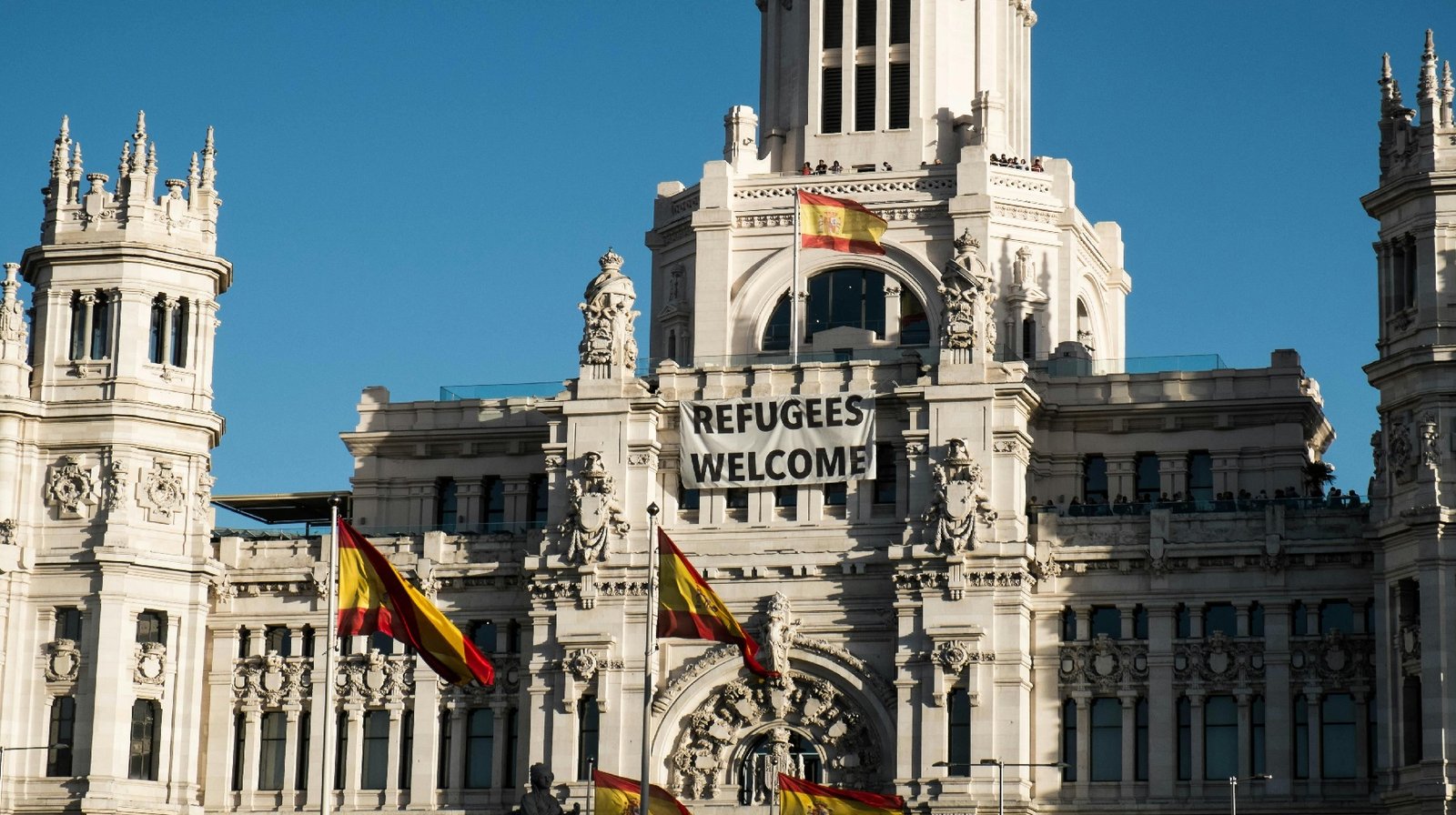
Introduction: The Democratic Republic of Congo has been plagued by conflict and violence for decades, leading to a significant number of people seeking refuge in neighboring countries and beyond. Among these refugees, women face unique challenges that often lead to extreme physical and mental fatigue. In this blog post, we will explore the factors contributing to women's fatigue among refugees from Congo and discuss potential solutions to address this issue. Causes of Fatigue: 1. Trauma and Stress: Many Congolese women refugees have experienced traumatic events such as violence, displacement, and loss of loved ones. The resulting stress and anxiety can take a toll on their physical and mental well-being, leading to chronic fatigue. 2. Inadequate Healthcare: Refugees often lack access to proper healthcare facilities and services, resulting in untreated medical conditions that can contribute to fatigue. 3. Limited Resources: Women refugees may struggle to meet their basic needs, such as food, shelter, and clean water, which can lead to malnutrition and exhaustion. 4. Caregiving Responsibilities: Many Congolese women refugees are responsible for caring for their children and other family members, often without adequate support. This added responsibility can be overwhelming and draining. Impact of Fatigue: The fatigue experienced by women refugees from Congo can have far-reaching consequences, affecting their ability to work, take care of their families, and participate in community activities. Moreover, chronic fatigue can lead to a range of health issues, including weakened immune systems, increased risk of chronic diseases, and mental health disorders such as depression and anxiety. Addressing Women's Fatigue: 1. Access to Healthcare: It is crucial to ensure that women refugees have access to healthcare services, including treatment for physical and mental health conditions that contribute to fatigue. 2. Psychosocial Support: Providing counseling and mental health support can help women refugees cope with trauma and stress, reducing fatigue and improving overall well-being. 3. Empowerment Programs: Empowering women through education, skills training, and economic opportunities can help alleviate the burden of caregiving responsibilities and improve their quality of life. 4. Community Support: Building a strong support network within the refugee community can help women feel less isolated and overwhelmed, reducing the impact of fatigue. Conclusion: Women refugees from Congo face numerous challenges that contribute to physical and mental fatigue. By addressing the root causes of fatigue and providing adequate support and resources, we can help these women rebuild their lives and thrive despite their circumstances. It is essential to prioritize the well-being of women refugees and work towards creating a more supportive and inclusive environment for them to heal and prosper.
Leave a Comment:
SEARCH
Recent News
- Switzerland is widely known for its breathtaking landscapes, high standard of living, and efficient public transportation system. Zurich, the largest city in Switzerland, perfectly embodies these characteristics and offers visitors a unique blend of culture, history, and natural beauty. In this Tunisian travel guide to Zurich, we will explore some of the must-visit attractions, delicious cuisine to try, and practical tips for making the most of your trip.
- Zurich, Switzerland is a vibrant city known for its picturesque landscapes, rich history, and diverse cultural scene. One fascinating aspect of Zurich's cultural tapestry is the influence of Sudanese culture in the city.
- Are you looking for information on travel discounts for seniors in Zurich, Switzerland? One of the perks of growing older is often the access to special deals and discounts, making travel more affordable for those in their golden years. Zurich, the vibrant and picturesque city located in Switzerland, is no exception when it comes to offering discounted rates for senior travelers.
- Zurich, Switzerland, is renowned for its picturesque landscapes, vibrant culture, and thriving economy. However, thousands of kilometers away in Russia, agriculture plays a crucial role in the country's economy and food production.
- When looking at two diverse but equally fascinating destinations such as Zurich, Switzerland, and the rich culture of Quebec in Canada, it’s hard not to be captivated by the unique charm and beauty each has to offer.
- Zurich, Switzerland and Oslo, Norway are two European cities known for their stunning beauty, vibrant cultures, and high quality of life. Both cities offer a mix of modern amenities and historic charm, making them popular destinations for travelers looking to immerse themselves in European culture.
- Exploring Zurich: A Taste of Latin America in Switzerland
- Zurich, Switzerland and Johannesburg, South Africa are two dynamic cities that offer a unique blend of culture, history, and modernity. Despite being located in different corners of the globe, both cities have their own charm and attractions that make them worth visiting.
READ MORE
11 months ago Category :

Switzerland is widely known for its breathtaking landscapes, high standard of living, and efficient public transportation system. Zurich, the largest city in Switzerland, perfectly embodies these characteristics and offers visitors a unique blend of culture, history, and natural beauty. In this Tunisian travel guide to Zurich, we will explore some of the must-visit attractions, delicious cuisine to try, and practical tips for making the most of your trip.
Read More →11 months ago Category :

Zurich, Switzerland is a vibrant city known for its picturesque landscapes, rich history, and diverse cultural scene. One fascinating aspect of Zurich's cultural tapestry is the influence of Sudanese culture in the city.
Read More →11 months ago Category :

Are you looking for information on travel discounts for seniors in Zurich, Switzerland? One of the perks of growing older is often the access to special deals and discounts, making travel more affordable for those in their golden years. Zurich, the vibrant and picturesque city located in Switzerland, is no exception when it comes to offering discounted rates for senior travelers.
Read More →11 months ago Category :
