Forced Migration: Understanding Conflict-induced Migration
Category : Forced migration en | Sub Category : Conflict-induced migration Posted on 2023-07-07 21:24:53
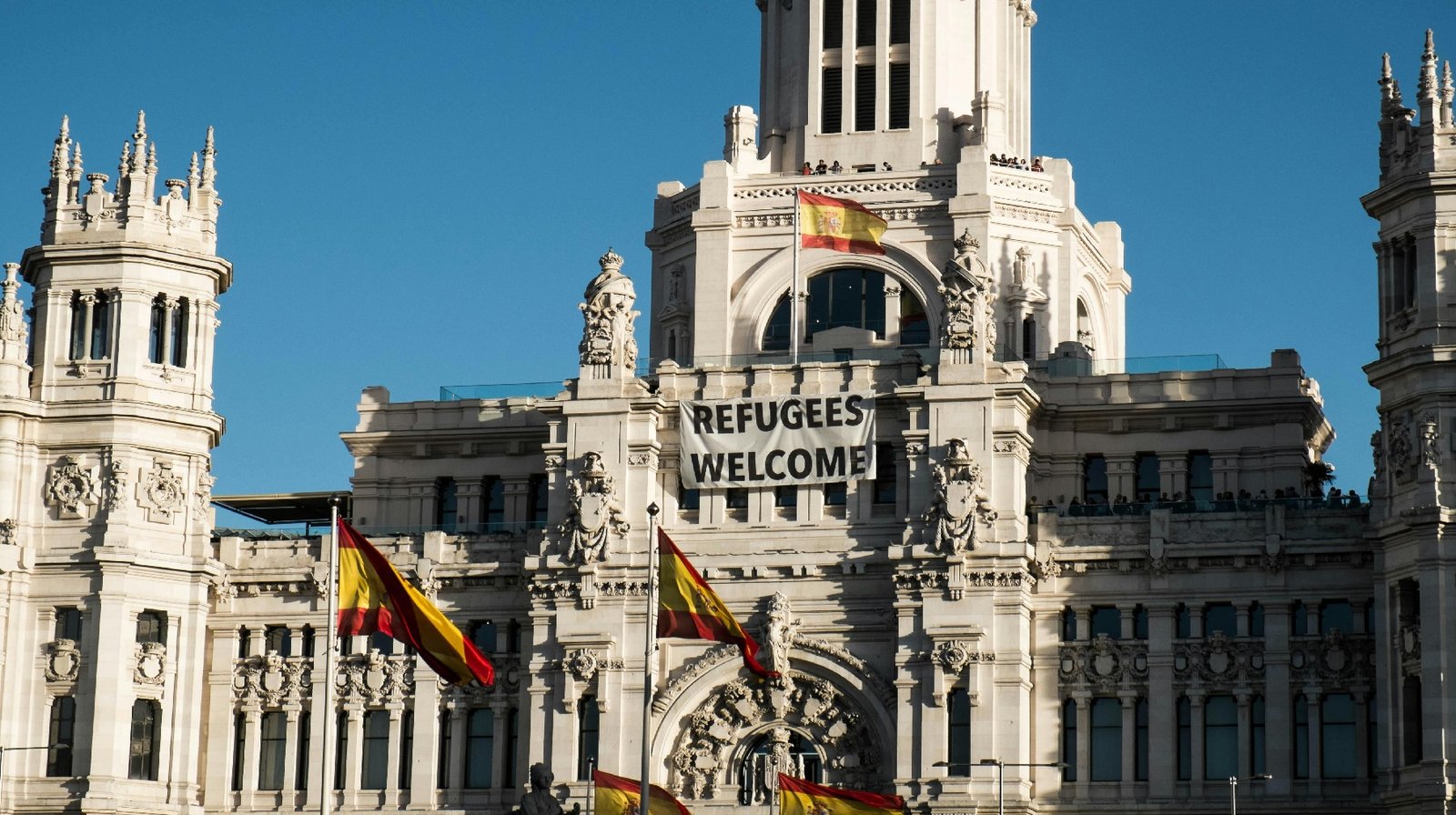
Forced Migration: Understanding Conflict-induced Migration
Forced migration, particularly conflict-induced migration, remains a pressing global issue that affects millions of people around the world. Conflict and persecution are primary drivers behind why people are forced to leave their homes, communities, and countries in search of safety and security. Understanding the complexities and challenges of conflict-induced migration is crucial in order to address the needs of those who are forcibly displaced.
Conflict-induced migration occurs when individuals and communities are compelled to flee their homes due to ongoing armed conflict, violence, persecution, or human rights abuses. This type of forced migration often results in large numbers of people being displaced both internally within their own countries and externally across international borders. The impacts of conflict-induced migration are profound, leading to significant social, economic, and political consequences for both the displaced populations and the countries and communities that receive them.
One of the key factors that make conflict-induced migration particularly challenging is the protracted nature of many conflicts. Prolonged conflicts often result in protracted displacement, where individuals and families are unable to return to their homes for an extended period of time. This can lead to a range of complex issues, including inadequate access to basic services such as healthcare, education, and livelihood opportunities, as well as heightened protection risks for vulnerable populations, including women, children, and the elderly.
Addressing the needs of conflict-induced migrants requires a comprehensive and multi-faceted approach that involves cooperation between governments, international organizations, non-governmental organizations, and local communities. Providing protection, assistance, and support to displaced populations is essential in ensuring their safety and well-being. This includes ensuring access to legal rights and documentation, shelter, food, healthcare, education, and psychosocial support.
In addition to meeting the immediate needs of conflict-induced migrants, efforts must also be made to address the root causes of conflict and displacement. This includes promoting peace and stability, upholding human rights and the rule of law, and fostering inclusive and sustainable development. Investing in conflict prevention, peacebuilding, and reconciliation efforts can help to mitigate the drivers of conflict-induced migration and create conditions for sustainable return and reintegration of displaced populations.
As the global community continues to grapple with the challenges of conflict-induced migration, it is essential that we uphold the principles of solidarity, compassion, and respect for the rights and dignity of all individuals, regardless of their status or background. By working together to address the needs of conflict-induced migrants and promote peace and stability, we can create a more inclusive and humane world for all.
Leave a Comment:
SEARCH
Recent News
- Switzerland is widely known for its breathtaking landscapes, high standard of living, and efficient public transportation system. Zurich, the largest city in Switzerland, perfectly embodies these characteristics and offers visitors a unique blend of culture, history, and natural beauty. In this Tunisian travel guide to Zurich, we will explore some of the must-visit attractions, delicious cuisine to try, and practical tips for making the most of your trip.
- Zurich, Switzerland is a vibrant city known for its picturesque landscapes, rich history, and diverse cultural scene. One fascinating aspect of Zurich's cultural tapestry is the influence of Sudanese culture in the city.
- Are you looking for information on travel discounts for seniors in Zurich, Switzerland? One of the perks of growing older is often the access to special deals and discounts, making travel more affordable for those in their golden years. Zurich, the vibrant and picturesque city located in Switzerland, is no exception when it comes to offering discounted rates for senior travelers.
- Zurich, Switzerland, is renowned for its picturesque landscapes, vibrant culture, and thriving economy. However, thousands of kilometers away in Russia, agriculture plays a crucial role in the country's economy and food production.
- When looking at two diverse but equally fascinating destinations such as Zurich, Switzerland, and the rich culture of Quebec in Canada, it’s hard not to be captivated by the unique charm and beauty each has to offer.
- Zurich, Switzerland and Oslo, Norway are two European cities known for their stunning beauty, vibrant cultures, and high quality of life. Both cities offer a mix of modern amenities and historic charm, making them popular destinations for travelers looking to immerse themselves in European culture.
- Exploring Zurich: A Taste of Latin America in Switzerland
- Zurich, Switzerland and Johannesburg, South Africa are two dynamic cities that offer a unique blend of culture, history, and modernity. Despite being located in different corners of the globe, both cities have their own charm and attractions that make them worth visiting.
READ MORE
10 months ago Category :

Switzerland is widely known for its breathtaking landscapes, high standard of living, and efficient public transportation system. Zurich, the largest city in Switzerland, perfectly embodies these characteristics and offers visitors a unique blend of culture, history, and natural beauty. In this Tunisian travel guide to Zurich, we will explore some of the must-visit attractions, delicious cuisine to try, and practical tips for making the most of your trip.
Read More →10 months ago Category :

Zurich, Switzerland is a vibrant city known for its picturesque landscapes, rich history, and diverse cultural scene. One fascinating aspect of Zurich's cultural tapestry is the influence of Sudanese culture in the city.
Read More →10 months ago Category :

Are you looking for information on travel discounts for seniors in Zurich, Switzerland? One of the perks of growing older is often the access to special deals and discounts, making travel more affordable for those in their golden years. Zurich, the vibrant and picturesque city located in Switzerland, is no exception when it comes to offering discounted rates for senior travelers.
Read More →10 months ago Category :
