Ensuring Security in Refugee Camps: A Vital Necessity
Category : Refugee camps en | Sub Category : Security in refugee camps Posted on 2023-07-07 21:24:53
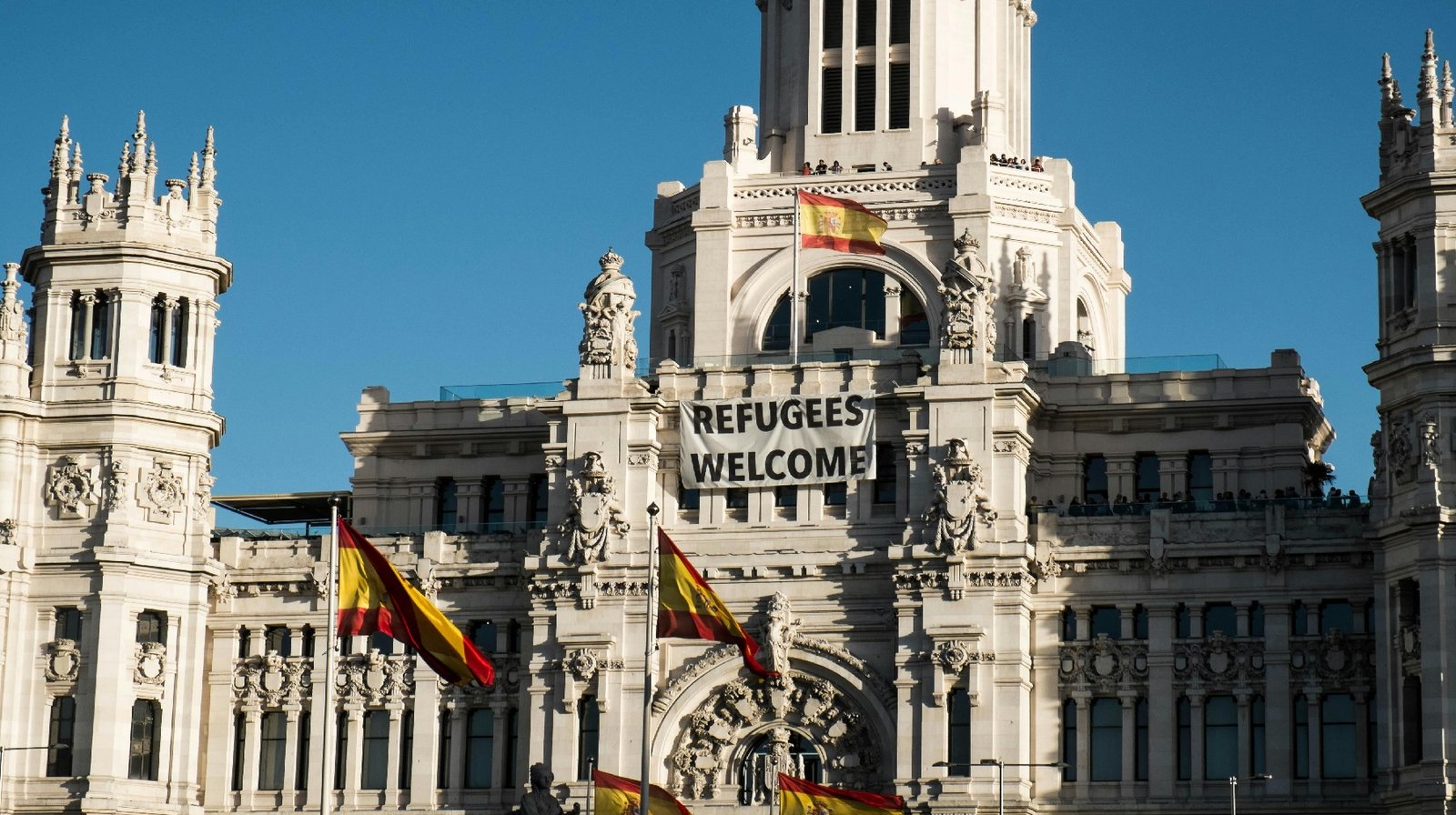
Ensuring Security in Refugee Camps: A Vital Necessity
Refugee camps serve as temporary shelters for individuals who have been forced to flee their homes due to conflict, persecution, or natural disasters. While these camps offer safety and basic necessities to those in need, they also present unique challenges, particularly in terms of security.
Ensuring the safety and security of refugees within these camps is crucial to protect them from harm and maintain order. Unfortunately, refugee camps are often overcrowded, making them vulnerable to crime, violence, and exploitation. Without proper security measures in place, refugees – especially women and children – are at risk of becoming victims of theft, physical assault, and other forms of abuse.
One of the key components of security in refugee camps is the presence of trained personnel, such as security guards and law enforcement officers. These individuals play a vital role in maintaining order, preventing crime, and responding to emergencies. By patrolling the camps regularly and enforcing rules and regulations, security personnel help create a sense of safety and deter potential wrongdoers.
Another important aspect of security in refugee camps is the implementation of access control measures. By controlling who enters and exits the camps, authorities can prevent unauthorized individuals from causing harm or creating disturbances. This can be achieved through the use of checkpoints, identity verification procedures, and surveillance systems to monitor activity within the camp.
In addition to physical security measures, it is essential to address the underlying factors that contribute to insecurity within refugee camps. This includes addressing issues such as inadequate lighting, limited access to healthcare and education, and the lack of support services for vulnerable populations. By improving living conditions and providing resources for refugees to rebuild their lives, authorities can help reduce the likelihood of criminal activity and promote a sense of community and well-being within the camps.
Furthermore, community engagement and empowerment are crucial to enhancing security in refugee camps. By involving refugees in decision-making processes, fostering communication and trust, and providing opportunities for education and skills training, authorities can empower residents to take ownership of their safety and well-being. When refugees feel invested in their community and have a sense of belonging, they are more likely to work together to address security challenges and build a supportive environment for all.
In conclusion, ensuring security in refugee camps is a complex and multifaceted endeavor that requires a combination of physical measures, social interventions, and community engagement. By prioritizing the safety and well-being of refugees, authorities can create a more secure and stable environment within these temporary shelters. Only by working together to address security concerns can we truly fulfill the fundamental purpose of refugee camps – to provide sanctuary and protection to those in need.
Leave a Comment:
SEARCH
Recent News
- Switzerland is widely known for its breathtaking landscapes, high standard of living, and efficient public transportation system. Zurich, the largest city in Switzerland, perfectly embodies these characteristics and offers visitors a unique blend of culture, history, and natural beauty. In this Tunisian travel guide to Zurich, we will explore some of the must-visit attractions, delicious cuisine to try, and practical tips for making the most of your trip.
- Zurich, Switzerland is a vibrant city known for its picturesque landscapes, rich history, and diverse cultural scene. One fascinating aspect of Zurich's cultural tapestry is the influence of Sudanese culture in the city.
- Are you looking for information on travel discounts for seniors in Zurich, Switzerland? One of the perks of growing older is often the access to special deals and discounts, making travel more affordable for those in their golden years. Zurich, the vibrant and picturesque city located in Switzerland, is no exception when it comes to offering discounted rates for senior travelers.
- Zurich, Switzerland, is renowned for its picturesque landscapes, vibrant culture, and thriving economy. However, thousands of kilometers away in Russia, agriculture plays a crucial role in the country's economy and food production.
- When looking at two diverse but equally fascinating destinations such as Zurich, Switzerland, and the rich culture of Quebec in Canada, it’s hard not to be captivated by the unique charm and beauty each has to offer.
- Zurich, Switzerland and Oslo, Norway are two European cities known for their stunning beauty, vibrant cultures, and high quality of life. Both cities offer a mix of modern amenities and historic charm, making them popular destinations for travelers looking to immerse themselves in European culture.
- Exploring Zurich: A Taste of Latin America in Switzerland
- Zurich, Switzerland and Johannesburg, South Africa are two dynamic cities that offer a unique blend of culture, history, and modernity. Despite being located in different corners of the globe, both cities have their own charm and attractions that make them worth visiting.
READ MORE
10 months ago Category :

Switzerland is widely known for its breathtaking landscapes, high standard of living, and efficient public transportation system. Zurich, the largest city in Switzerland, perfectly embodies these characteristics and offers visitors a unique blend of culture, history, and natural beauty. In this Tunisian travel guide to Zurich, we will explore some of the must-visit attractions, delicious cuisine to try, and practical tips for making the most of your trip.
Read More →10 months ago Category :

Zurich, Switzerland is a vibrant city known for its picturesque landscapes, rich history, and diverse cultural scene. One fascinating aspect of Zurich's cultural tapestry is the influence of Sudanese culture in the city.
Read More →10 months ago Category :

Are you looking for information on travel discounts for seniors in Zurich, Switzerland? One of the perks of growing older is often the access to special deals and discounts, making travel more affordable for those in their golden years. Zurich, the vibrant and picturesque city located in Switzerland, is no exception when it comes to offering discounted rates for senior travelers.
Read More →10 months ago Category :
