Refugee Policy Frameworks: A Key Component in Addressing the Global Refugee Crisis
Category : Refugee policy en | Sub Category : Emergency response to refugee crises Posted on 2023-07-07 21:24:53
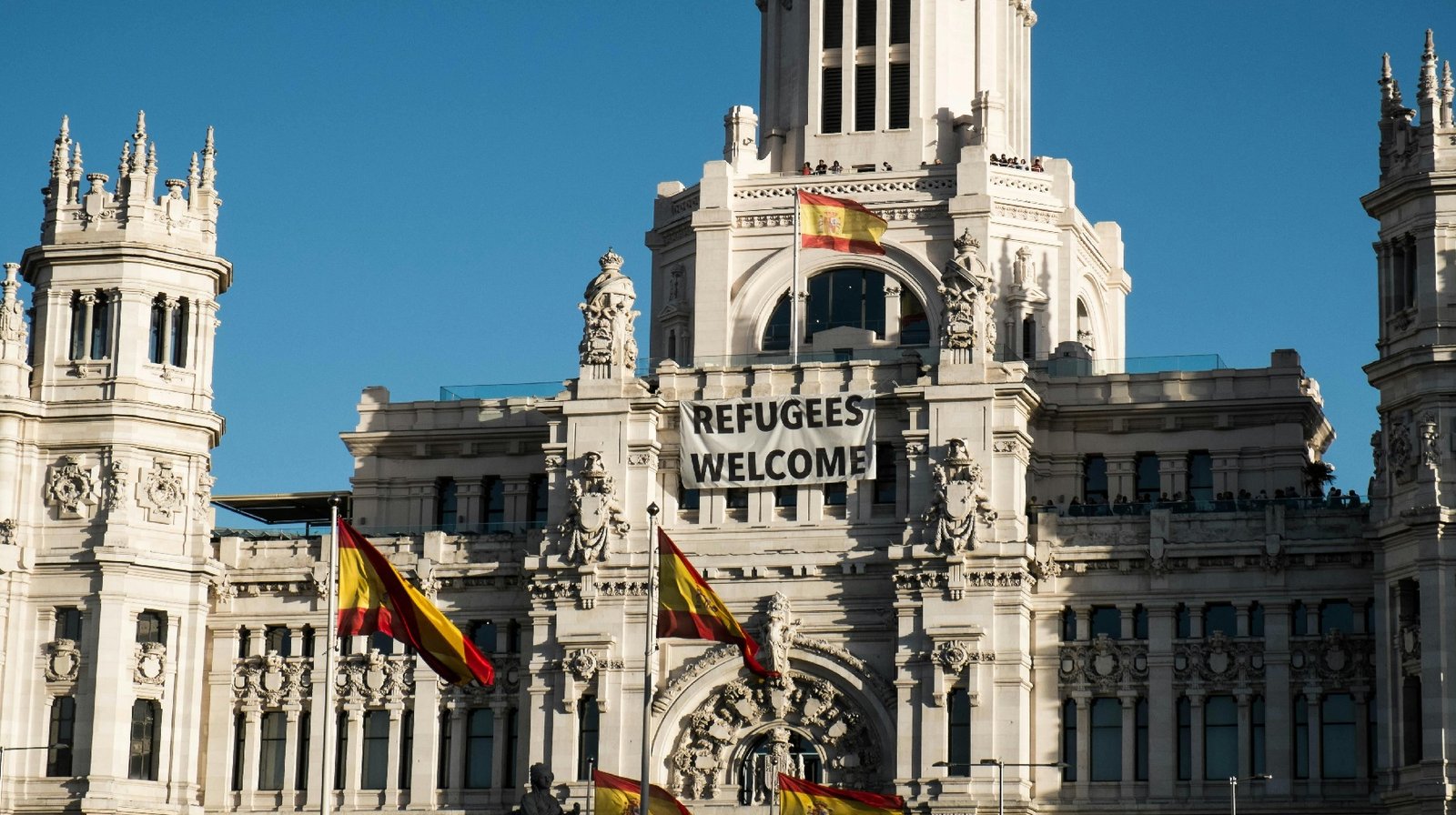
Refugee Policy Frameworks: A Key Component in Addressing the Global Refugee Crisis
In recent years, the world has witnessed a significant increase in the number of refugees fleeing their home countries due to conflict, persecution, and other forms of violence. The global refugee crisis has put immense pressure on governments and humanitarian organizations to develop effective refugee policies to address the needs of displaced populations. Refugee policy frameworks play a crucial role in providing guidance and direction on how to manage refugee situations, ensure the protection of refugees, and facilitate durable solutions.
At the heart of any refugee policy framework is the principle of international protection, which is enshrined in the 1951 Refugee Convention and its 1967 Protocol. These legal instruments define who qualifies as a refugee and outline the rights and obligations of states towards refugees. In addition to these international legal standards, many countries have developed their own domestic refugee laws and policies to supplement and complement the international framework.
Refugee policy frameworks typically address key areas such as refugee status determination, access to asylum procedures, reception and integration services, and solutions for durable stay. Refugee status determination is a critical process that involves assessing whether an individual meets the legal definition of a refugee and is therefore entitled to protection. Access to fair and efficient asylum procedures ensures that refugees can seek protection without fear of refoulement or forced return to their country of origin.
Reception and integration services are essential components of refugee policy frameworks as they help refugees rebuild their lives in their country of asylum. These services may include access to healthcare, education, housing, and employment opportunities. Moreover, solutions for durable stay, such as resettlement to a third country or voluntary repatriation, are crucial for refugees who are unable to return to their country of origin due to ongoing conflict or persecution.
Effective refugee policy frameworks require a comprehensive and coordinated approach involving multiple stakeholders, including governments, UN agencies, NGOs, and civil society organizations. Collaboration and information-sharing among these actors are vital to ensure that refugee policies are implemented effectively and that the needs of refugees are met in a timely and dignified manner.
In conclusion, refugee policy frameworks are essential tools for addressing the complex challenges posed by the global refugee crisis. By providing legal guidance, protection, and support to refugees, these frameworks play a critical role in upholding the rights and dignity of displaced populations. As the number of refugees continues to rise, it is imperative that countries around the world work together to develop and implement robust refugee policy frameworks that promote peace, stability, and solidarity for all.
Leave a Comment:
SEARCH
Recent News
- Switzerland is widely known for its breathtaking landscapes, high standard of living, and efficient public transportation system. Zurich, the largest city in Switzerland, perfectly embodies these characteristics and offers visitors a unique blend of culture, history, and natural beauty. In this Tunisian travel guide to Zurich, we will explore some of the must-visit attractions, delicious cuisine to try, and practical tips for making the most of your trip.
- Zurich, Switzerland is a vibrant city known for its picturesque landscapes, rich history, and diverse cultural scene. One fascinating aspect of Zurich's cultural tapestry is the influence of Sudanese culture in the city.
- Are you looking for information on travel discounts for seniors in Zurich, Switzerland? One of the perks of growing older is often the access to special deals and discounts, making travel more affordable for those in their golden years. Zurich, the vibrant and picturesque city located in Switzerland, is no exception when it comes to offering discounted rates for senior travelers.
- Zurich, Switzerland, is renowned for its picturesque landscapes, vibrant culture, and thriving economy. However, thousands of kilometers away in Russia, agriculture plays a crucial role in the country's economy and food production.
- When looking at two diverse but equally fascinating destinations such as Zurich, Switzerland, and the rich culture of Quebec in Canada, it’s hard not to be captivated by the unique charm and beauty each has to offer.
- Zurich, Switzerland and Oslo, Norway are two European cities known for their stunning beauty, vibrant cultures, and high quality of life. Both cities offer a mix of modern amenities and historic charm, making them popular destinations for travelers looking to immerse themselves in European culture.
- Exploring Zurich: A Taste of Latin America in Switzerland
- Zurich, Switzerland and Johannesburg, South Africa are two dynamic cities that offer a unique blend of culture, history, and modernity. Despite being located in different corners of the globe, both cities have their own charm and attractions that make them worth visiting.
READ MORE
5 months ago Category :

Switzerland is widely known for its breathtaking landscapes, high standard of living, and efficient public transportation system. Zurich, the largest city in Switzerland, perfectly embodies these characteristics and offers visitors a unique blend of culture, history, and natural beauty. In this Tunisian travel guide to Zurich, we will explore some of the must-visit attractions, delicious cuisine to try, and practical tips for making the most of your trip.
Read More →5 months ago Category :

Zurich, Switzerland is a vibrant city known for its picturesque landscapes, rich history, and diverse cultural scene. One fascinating aspect of Zurich's cultural tapestry is the influence of Sudanese culture in the city.
Read More →5 months ago Category :

Are you looking for information on travel discounts for seniors in Zurich, Switzerland? One of the perks of growing older is often the access to special deals and discounts, making travel more affordable for those in their golden years. Zurich, the vibrant and picturesque city located in Switzerland, is no exception when it comes to offering discounted rates for senior travelers.
Read More →5 months ago Category :
